

2010 Mitsubishi Lancer ECM: Decoding Programming, VIN, and Emissions
This guide covers the critical details for replacing the Engine Control Module (ECM) in a 2010 Mitsubishi Lancer, focusing on the mandatory programming and strict part number requirements.
- Programming is mandatory. A replacement ECM must be programmed to the car's VIN by a dealer or specialist, otherwise the car will not start.
- The part number must be an exact match: 1860B296 for the 2.0L, Automatic, California Emissions model.
- This ECM is for California Emissions (CALE) vehicles only and will not work in a Federal Emissions vehicle.
- A used OEM unit is a viable option, but you must have a plan for programming it before you make the purchase.
Symptoms of a Failing 2010 Lancer ECM
A failing Engine Control Module can cause a wide array of symptoms, often mimicking other component failures. It's crucial to perform a thorough diagnosis before condemning the ECM. Common signs include:
- Check Engine Light: An illuminated Check Engine Light is one of the most common symptoms. Codes related to module communication (like U-series codes) or multiple, seemingly unrelated sensor codes can point to a faulty ECM.
- Engine Performance Issues: You may experience engine misfires, rough idling, stalling, or a sudden loss of power. This can happen if the ECM is not correctly controlling the fuel and spark delivery.
- No-Start Condition: A completely dead ECM can prevent the engine from starting. The module controls the fuel injectors and ignition system, and without its signals, the engine cannot run.
- Poor Fuel Economy: If the ECM is not managing the air-fuel mixture efficiently, you may notice a sudden and significant drop in your vehicle's gas mileage.
- Automatic Transmission Problems: In some cases, a faulty ECM can affect communication with the transmission control module, leading to harsh or erratic shifting.
Pro Tip: Before assuming the ECM is bad, always check the basics first. Inspect the battery, terminals, ground connections, and all related fuses. A simple voltage issue can often mimic the symptoms of a complete ECM failure.
Known Issues, Recalls, and Technical Service Bulletins (TSBs)
While there are no specific recalls for the Engine Control Module (part number 1860B296) on the 2010 Lancer, there are related issues to be aware of:
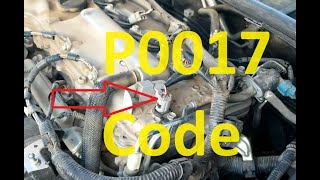
- TSB TSB-11-13-008REVII: Mitsubishi issued this bulletin to address a software issue where the original ECM programming could falsely trigger the check engine light with diagnostic trouble codes P0016 or P0017 (Crankshaft/Camshaft Position correlation errors). The fix is a software update (reprogram) performed by a dealer, not a hardware replacement. 🎬 Watch this video to understand how to diagnose P0016 and P0017 codes.
- ETACS ECU Recall: Many owners confuse the ECM with the ETACS ECU (Electronic Time and Alarm Control System), which is the Body Control Module. There was a major safety recall on the ETACS ECU for 2009-2010 Lancers because its failure could cause a sudden loss of headlights and wipers. This is a separate part and issue from the engine computer. 🎬 See this video on troubleshooting and fixing ETACS ECU issues.
Buying a Used 2010 Lancer ECM: What to Look For
Purchasing a used ECM can be a cost-effective solution, but it requires careful attention to detail. This is not a simple plug-and-play part. Here’s what you need to know:
1. Part Number and Emissions MUST Match
This is the most critical step. Your replacement ECM must have the exact same OEM part number as your original unit. For the 2010 Lancer 2.0L with an automatic transmission and California Emissions, the correct part number is 1860B296.
Warning: This ECM is specifically for vehicles that meet California Emissions (CALE) standards. It will not work correctly in a vehicle with Federal Emissions. Using the wrong module will likely result in a check engine light and failed emissions tests. The module for a manual transmission is also different (part number 1860B295).
2. Plan for Programming
A used ECM cannot be simply swapped into your vehicle. It is electronically tied to the car's anti-theft immobilizer system. After installation, the replacement ECM must be programmed to your vehicle's VIN and keys. Without this step, the car will not start.
- Dealer Programming: A Mitsubishi dealership is the most reliable option. They have the proprietary MUT-III scan tool required to perform the programming.
- Independent Shops & Locksmiths: Some independent repair shops or specialized automotive locksmiths may have the equipment and software to program a Mitsubishi ECM, but you must confirm this with them beforehand. Not all locksmiths can do this.
- Mail-In Services: Some companies offer a service where you send them your VIN and they pre-program a used module to be plug-and-play upon arrival.
3. Physical Inspection
When you receive the used ECM, inspect it carefully. Look for:
- No Physical Damage: Check for cracks in the casing or broken connector pins.
- No Signs of Water Intrusion: Look for corrosion or water marks on the case and inside the connector ports. Water damage is a common cause of ECM failure.
- Unopened Case: Avoid units that look like they have been pried open or tampered with.
Replacement Cost Breakdown
The cost of replacing the ECM can vary significantly based on the source of the part and labor rates.
| Part Source | Estimated Part Cost |
|---|---|
| New OEM (Dealer) | $900 - $1,200 |
| Remanufactured | $450 - $600 |
| Used OEM (Recycled) | $50 - $150 |
| Shop Labor & Programming | $200 - $400 |
Labor for the physical swap is minimal (under 1 hour), as the ECM is located behind the glove box. The majority of the labor cost will be for the diagnostic and programming time at a dealership or specialized shop.
Frequently Asked Questions (FAQ)
Do I absolutely have to program a replacement ECM?
Yes. The ECM is linked to the immobilizer system. If you install a used ECM without programming it to your car's VIN and keys, the anti-theft system will prevent the engine from starting.
Can I use an ECM from a Lancer with a manual transmission or Federal emissions?
No. You must use an ECM that matches your vehicle's exact specifications: 2.0L engine, automatic transmission, and California emissions. Using the wrong part will lead to performance problems, warning lights, and failed emissions tests. The part number must be 1860B296.
Where is the ECM located on a 2010 Lancer?
The Engine Control Module is located behind the glove box on the passenger side of the dashboard. Access involves removing the glove box assembly.
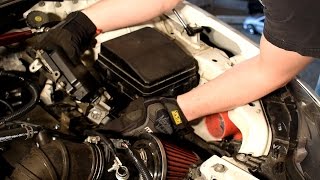
🎬 Watch this step-by-step guide on how to access and replace the ECU.Can a locksmith program this ECM instead of the dealer?
Possibly, but it is not guaranteed. Only locksmiths with advanced, vehicle-specific programming tools (like a MUT-III or equivalent) can perform this service. Always call and confirm with the locksmith that they can specifically program a 2010 Mitsubishi Lancer ECM before proceeding.
Helpful Videos

Technical Specifications
OEM Part Numbers: 1860B296 MU1860B296
Fits 2010 Mitsubishi Lancer with 2.0L non-turbo engine, Automatic Transmission (CVT), and California Emissions (CALE).
We Have This Part in Stock


The information in this article is provided for general reference and educational purposes only. Vehicle specifications, procedures, and part compatibility can vary by production date, trim level, and region. Always consult your vehicle's factory service manual and verify part numbers before purchasing or performing repairs. Safety-critical components such as airbags, seat belts, and braking systems should be installed by a qualified professional.
- Mitsubishi Lancer:
- 🎬 Helpful Videos
- 🛍️ Shop This Part
- Symptoms of a Failing 2010 Lancer ECM
- Known Issues, Recalls, and Technical Service Bulletins (TSBs)
- Buying a Used 2010 Lancer ECM: What to Look For
- 1. Part Number and Emissions MUST Match
- 2. Plan for Programming
- 3. Physical Inspection
- Replacement Cost Breakdown
- Frequently Asked Questions (FAQ)
- 🎟️ Get 5% Off