

2010-2013 Mazdaspeed 3 ECM: Decoding Failures, Programming, and the Infamous Harness Recall
This guide covers the essential programming requirements, common failure symptoms, and critical issues that can be misdiagnosed as a bad Engine Control Module (ECM) in the 2010-2013 Mazdaspeed 3.
- A replacement ECM MUST be professionally programmed to the vehicle's VIN and keys due to the PATS immobilizer system; it is not plug-and-play.
- Before replacing the ECM, inspect for the NHTSA Recall 09V126000, where a chafing engine harness can mimic ECM failure symptoms like stalling.
- Always match the OEM part number exactly (e.g., L3DN-18-881C). Using an incorrect part number will not work, even if programmed.
- Internal fault codes like P0601 or P0606 strongly suggest a failed ECM, but always rule out wiring, ground, and power supply issues first.
Understanding the 2010-2013 Mazdaspeed 3 ECM

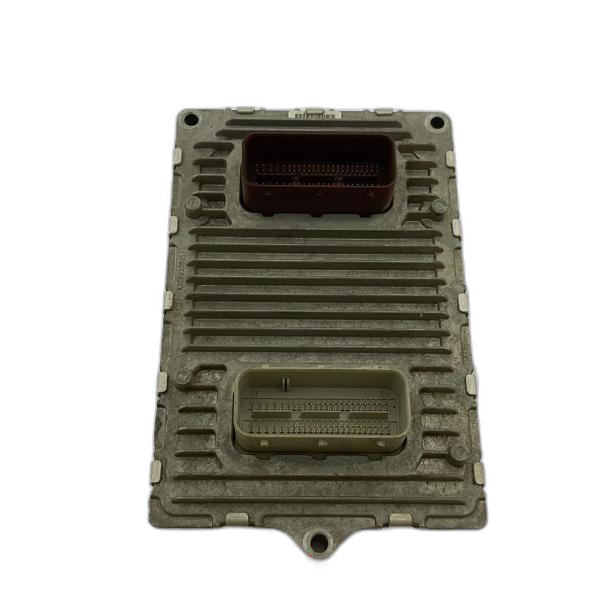
The Engine Control Module (ECM) in the 2010-2013 Mazdaspeed 3 is a sophisticated computer that manages all aspects of engine operation. This guide focuses on the specific ECM for the 2.3L Turbo engine with California emissions, primarily identified by part numbers starting with L3DN-18-881.
Warning: A replacement ECM for this vehicle is not plug-and-play. It absolutely requires professional programming to function. Failure to program the module will result in a no-start condition.
Programming and Immobilizer Requirements

The single most important thing to understand when replacing this ECM is the programming requirement. The ECM is a core component of Mazda's Passive Anti-Theft System (PATS).
- Immobilizer Link: The ECM, instrument cluster, and ignition key are all electronically linked. When you start the car, these components perform a digital handshake to verify they belong together.
- No-Start Condition: If you install a used or new ECM without programming, this handshake will fail. The system will assume a theft is in progress and the immobilizer will prevent the engine from starting.
- Programming Procedure: Programming, often called "marrying" the module, involves using specialized diagnostic tools like the Mazda Modular Diagnostic System (M-MDS) with a VCM-II interface. This process syncs the replacement ECM to your vehicle's unique VIN and security information.
Who Can Program the ECM?
You have several options for programming, as this is not typically a DIY-friendly task:
- Mazda Dealership: The most straightforward, albeit often most expensive, option. They have the correct tools and access to the latest factory software.
- Independent Repair Shops: Many modern shops have invested in high-level diagnostic tools (like an Autel or Snap-on scanner with J2534 pass-thru capabilities) and can perform module programming. Always confirm they have experience with Mazda PATS systems before booking the service.
- Automotive Locksmiths: Some advanced automotive locksmiths also have the equipment to program keys and modules.
- Mail-In Services: Companies exist that allow you to mail in your original ECM and the replacement unit. They can clone the data from your old module to the new one, making it plug-and-play when you receive it back. This is a good option if local programming services are unavailable.
Symptoms of a Failing ECM
While a true ECM failure is less common than other sensor or wiring issues, it can happen. Symptoms often appear erratic and can be difficult to diagnose.
- Check Engine Light: The most obvious sign, often with codes indicating an internal module failure.
- Engine No-Start or Hard Start: The engine cranks but refuses to start, or takes an unusually long time to fire up.
- Sudden Stalling: The engine shuts off unexpectedly while driving, which can be extremely dangerous.
- Poor Engine Performance: Unexplained loss of power, hesitation, misfires, or a sudden drop in fuel economy.
- Communication Issues: Other modules in the car may set "loss of communication with ECM" codes (U-codes).
Common ECM-Related OBD-II Codes
The most definitive codes for internal ECM failure belong to the P06xx family.
- P0601: Internal Control Module Memory Check Sum Error
- P0606: ECM/PCM Processor Fault
If you have one of these codes, and have ruled out wiring and power supply issues, the ECM itself is the most likely culprit.
Before You Replace the ECM: Check These First!

Many issues can mimic a failed ECM. It is critical to investigate these common problems before spending money on a new module and programming.
NHTSA Recall 09V126000: Engine Harness Chafing
This is the most significant known issue for the 2010 Mazda 3. The engine wiring harness can rub against the starter motor housing, causing wires to wear through and short circuit. Symptoms of this recall are nearly identical to a failing ECM, including poor shift quality, engine control malfunction, and sudden stalling. A Mazda dealer can check if this recall was performed on your vehicle. Always inspect the harness near the starter for damage before condemning the ECM.
Water Intrusion and Corrosion
Forum users report that water leaking into the cabin or engine bay can cause electrical havoc. Water can get into fuse boxes or connectors, causing shorts that throw codes like P0606. Check for signs of water damage, especially around the cowl area and fuse boxes, before assuming the ECM is bad.
Bad Grounds and Power Supply
A weak or corroded ground connection can cause a huge variety of bizarre, intermittent electrical problems. Low voltage from a failing battery or alternator can also cause control modules to behave erratically and set false codes. Ensure the battery is healthy and all major ground straps are clean and tight.
Buying a Used Engine Control Module
Buying a used OEM module can be a cost-effective solution, but you must be careful to ensure compatibility.
- Match the Part Number Exactly: The part number is printed on a sticker on the ECM case. For this vehicle, you are looking for L3DN-18-881A, L3DN-18-881B, or L3DN-18-881C. The later revisions (like 'C') will supersede the earlier ones. Do not install an ECM with a different part number, even if it looks identical.
- Inspect for Damage: Do not buy a module with a broken case, bent pins, or any signs of water damage or corrosion.
- Source from a Reputable Seller: Purchase from a seller with a good return policy in case the unit is dead on arrival.
- Budget for Programming: Remember that the cost of the used part is only half the battle. You must factor in the cost of having it professionally programmed to your car.
Pro Tip: When removing your old ECM, take a clear photo of the part number sticker. This will be your reference when shopping for a replacement and will be needed by any programming service.
Cost Comparison for ECM Replacement
Prices can vary significantly based on the source of the part and the labor involved.
| Part/Service | Estimated Cost | Notes |
|---|---|---|
| New OEM ECM (Part Only) | $800 - $1000+ | Purchased from a Mazda dealership. |
| Remanufactured (Pre-Programmed) | $250 - $450 | From online specialists; often requires you to send your VIN. |
| Used OEM (Part Only) | $70 - $150 | From salvage yards or online marketplaces like eBay. Requires programming. |
| Shop Labor (Physical Swap) | $75 - $125 | Approximately 1 hour of labor to access and swap the module. |
| Shop Labor (Programming) | $150 - $300 | Typically 1-2 hours of labor at a dealership or qualified independent shop. |
| Total Dealer Replacement | $1000 - $1500+ | Includes new OEM part, installation, and programming. |
| Total Used Part Replacement | $300 - $575 | Includes used part cost plus shop labor for installation and programming. |
Frequently Asked Questions (FAQ)
Where is the ECM located on a 2010-2013 Mazdaspeed 3?
The ECM is located in the engine bay, underneath the battery and battery tray. To access it, you must first disconnect and remove the battery, then unbolt and remove the plastic battery box/tray.
Can I drive my car with a bad ECM?
It is not recommended. If the ECM is failing, it can cause the engine to stall at any time, which is a serious safety hazard. If you have a confirmed internal ECM fault (like a P0606 code), you should not drive the vehicle until it is repaired.
Do I need to replace the keys if I replace the ECM?
No, you do not need to replace the keys. However, the existing keys will need to be relearned to the new ECM during the programming process. A dealer or qualified locksmith can do this.
Will disconnecting the battery reset a bad ECM?
No. While disconnecting the battery can clear temporary fault codes or reset adaptive learning, it cannot fix a permanent internal hardware or software fault within the ECM. If the module has an internal error like P0601 or P0606, the code will return immediately after power is restored.
What is the difference between an ECM, PCM, and ECU?
The terms are often used interchangeably. ECU (Engine Control Unit) is a generic term. ECM (Engine Control Module) specifically refers to the engine's computer. PCM (Powertrain Control Module) is often used when the computer controls both the engine and the automatic transmission. For the Mazdaspeed 3, which has a manual transmission, ECM is the most accurate term, but you will see all three used.
Technical Specifications
OEM Part Numbers: L3DN-18-881A L3DN-18-881B L3DN-18-881C L3DN18881A L3DN18881B L3DN18881C
Fits 2010-2013 Mazdaspeed 3 with 2.3L Turbo engine and California emissions. Requires programming (PATS immobilizer system).
We Have This Part in Stock



The information in this article is provided for general reference and educational purposes only. Vehicle specifications, procedures, and part compatibility can vary by production date, trim level, and region. Always consult your vehicle's factory service manual and verify part numbers before purchasing or performing repairs. Safety-critical components such as airbags, seat belts, and braking systems should be installed by a qualified professional.
- Mazda 3:
- 🛍️ Shop This Part
- Understanding the 2010-2013 Mazdaspeed 3 ECM
- Programming and Immobilizer Requirements
- Who Can Program the ECM?
- Symptoms of a Failing ECM
- Common ECM-Related OBD-II Codes
- Before You Replace the ECM: Check These First!
- NHTSA Recall 09V126000: Engine Harness Chafing
- Water Intrusion and Corrosion
- Bad Grounds and Power Supply
- Buying a Used Engine Control Module
- Cost Comparison for ECM Replacement
- Frequently Asked Questions (FAQ)
- 🎟️ Get 5% Off