

2005 Hyundai Tucson ECM: A Guide to Part Numbers, Immobilizers, and Programming
This guide covers the essential details for replacing the Engine Control Module on a 2005 Hyundai Tucson 2.7L V6, focusing on the critical immobilizer and programming requirements.
- This ECM is for the 2005 Tucson 2.7L V6 WITHOUT a factory immobilizer system. Verify your vehicle's configuration before buying.
- A replacement ECM must be programmed with your vehicle's VIN. You can buy a pre-programmed 'plug-and-play' unit or have a shop program it after installation.
- Exact part number matching is crucial. Key part numbers are 39109-37200, 39109-37205, and 39190-37200.
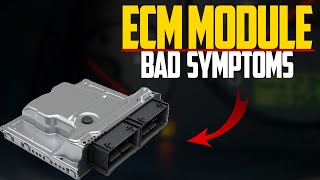
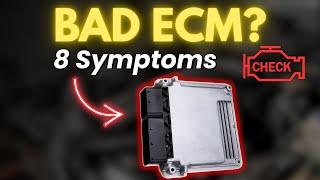
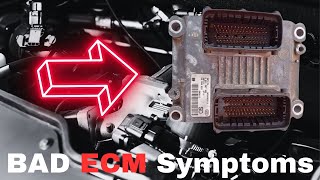
- Failure symptoms include no-start, engine stalling/misfiring, poor performance, and a check engine light with internal error codes.
Symptoms of a Failing 2005 Tucson ECM

A failing Engine Control Module can cause a wide range of problems, from a simple check engine light to a vehicle that won't start at all. Because the ECM controls so many different systems, symptoms can sometimes be mistaken for other component failures. Look for these common indicators:
🎬 Watch: 7 common symptoms of a bad ECM- Check Engine Light: An illuminated Check Engine Light is one of the most common signs. Specific codes pointing to internal ECM errors are a strong clue.
- Engine Performance Issues: This can include random misfires (P0300-P0305), stuttering, hesitation on acceleration, or a sudden loss of power.
- Car Won't Start: The engine may crank but fail to start if the ECM is not signaling the fuel injectors or ignition coils to fire.
- Poor Fuel Economy: If the ECM makes incorrect calculations for the air-fuel mixture, you may notice a sudden and significant drop in gas mileage.
- Transmission Shifting Problems: The ECM communicates with the Transmission Control Module (TCM). A faulty ECM can lead to harsh or erratic shifting. Communication errors like code P1603 can indicate a problem between the modules or in the wiring.
Known Issues, Recalls, and Technical Service Bulletins (TSBs)

While there are no direct recalls for the Engine Control Module on the 2005 Tucson, there are important related service items to be aware of.
Related Recall: Electronic Stability Program (ESP) Reprogramming
There was a significant safety recall (NHTSA #05V119000) for certain 2005 Tucson models concerning the Electronic Stability Program (ESP). The issue was an overly sensitive yaw rate sensor that could cause the system to unexpectedly reduce engine power or apply a brake to one wheel. The fix was for dealers to reprogram the ESP's Hydraulic Electronic Control Unit (HECU). This is a separate computer from the engine's ECM, but it highlights that module reprogramming is a standard procedure for this vehicle.
TSB: ECM/PCM VIN Writing Procedure
Hyundai issued a Technical Service Bulletin (NHTSA ID: #10160098) that details the official procedure for writing the Vehicle Identification Number (VIN) into a replacement ECM or PCM. This confirms that for all 2005 and later models, a replacement ECM is not simply plug-and-play; it must be electronically matched to the vehicle. The VIN is recorded permanently and cannot be changed once written.
🎬 See how to write a VIN to a Hyundai ECUCompatibility Warning: The information and part numbers in this guide are specifically for the 2005 Hyundai Tucson with a 2.7L V6 engine and WITHOUT a factory immobilizer system. Installing the wrong module will result in a no-start condition.
Buying a Used 2005 Hyundai Tucson ECM

Purchasing a used OEM ECM is a cost-effective way to get your Tucson back on the road, but careful verification is required. Here’s what you need to check.
1. Match the Part Number Exactly
The most critical step is to match the OEM part number on your original ECM. Common part numbers for this application include:
- 39109-37200
- 39109-37205
- 39190-37200
These numbers confirm the hardware is correct for a 2.7L V6 without an anti-theft immobilizer system.
2. Verify Immobilizer Status
An immobilizer is a factory anti-theft system that prevents the engine from starting unless it recognizes a specific transponder chip embedded in the ignition key. The ECM is a key part of this system. You cannot use an ECM from a non-immobilizer vehicle in a car that has one, or vice-versa. Before ordering, check if your Tucson has an immobilizer:
- Check Your Key: Look at your original ignition key. Does it have a simple plastic or rubber head, or is the head larger and thicker, possibly with a small letter 'M' stamped on the metal part? Keys for immobilizer systems are typically thicker to house the transponder chip.
- Look for a Dash Light: When you first turn the key to the 'ON' position, look for a dashboard light that looks like a car with a key inside it. If this light appears for a moment and then goes out, your vehicle has an immobilizer. If you don't see this light, you likely do not have one.
3. Understand Programming Requirements
As confirmed by the TSB, a replacement ECM must have your vehicle's VIN programmed to it. You have two main options when buying a used module:
- Buy a Pre-Programmed Unit: Many online sellers offer used or remanufactured ECMs that are advertised as "Plug & Play". For this service, you must provide the seller with your vehicle's VIN at the time of purchase. They will program the used module for you before shipping it, so you can install it without needing a trip to the dealer.
- Buy a Raw Used Unit: If you buy a used ECM from a salvage yard that has not been pre-programmed, it will NOT start the car after installation. You will need to have the vehicle towed to a Hyundai dealership or a qualified independent shop that has a Hyundai-specific diagnostic tool (like a GDS or Hi-Scan Pro) to perform the VIN writing procedure.
4. Physical Inspection
When your used part arrives, inspect it carefully before installation. Look for signs of corrosion on the casing or pins, any evidence of water damage, or pry marks that suggest the case has been opened. A quality used part should be clean and free of physical damage.
Installation and Programming
The physical installation is relatively simple for a DIY mechanic, but programming requires special tools.
- Disconnect the Battery: Always disconnect the negative battery terminal before working on any electronic components.
- Remove the Battery: The ECM is located in the engine bay, behind the battery. You will need to remove the battery and potentially the battery tray to gain access.
- Unplug and Unbolt the ECM: Carefully release the locking tabs on the two large electrical connectors and pull them straight off. Then, remove the bolts (typically 10mm or 12mm) holding the ECM and its bracket in place.
- Install the Replacement ECM: Bolt the new module in place, reconnect the electrical harnesses, and reinstall the battery and its tray.
- Final Step - Programming/Starting: If you purchased a pre-programmed "plug-and-play" unit, the vehicle should now start. If you installed a raw used unit, the vehicle will need to be programmed by a professional before it will run.
Cost Breakdown
Prices can vary based on condition and supplier, but here is a general estimate:
| Part Type | Estimated Cost |
|---|---|
| New OEM | $900 - $1400+ |
| New Aftermarket | Not commonly available |
| Remanufactured (Pre-Programmed) | $200 - $450 |
| Used OEM (Raw, Not Programmed) | $75 - $150 |
| Shop Labor (Installation & Programming) | $150 - $300 |
Frequently Asked Questions (FAQ)
Does a replacement ECM for a 2005 Tucson always need to be programmed?
Yes. At a minimum, the vehicle's VIN must be written to the replacement module. You can either buy a unit that has been pre-programmed to your VIN by the seller, making it plug-and-play, or you must have it programmed by a dealer or qualified shop after installation.
How can I tell if my 2005 Tucson has a factory immobilizer?
Check for an indicator light on the dashboard that looks like a car silhouette with a key inside it when you first turn the ignition on. If you see that light, you have an immobilizer. If not, your vehicle is likely a non-immobilizer model, which is what the part numbers in this guide are for.
Can I install the ECM myself?
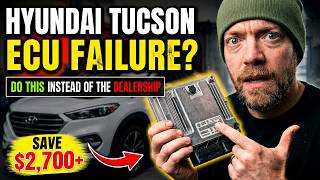
Yes, the physical installation is straightforward for someone with basic mechanical skills and tools. It involves removing the battery for access and swapping the module. However, unless 🎬 Watch: Hyundai Tucson ECU replacement and programming guide you buy a pre-programmed unit, you will not be able to complete the job yourself, as the final programming step requires specialized diagnostic equipment.
What OBD-II codes are common for a bad ECM?
While any number of codes can appear, codes specifically indicating an internal module failure (like P0600-P0605 series) are a strong sign. Communication failure codes like P1603 are also a possibility. However, a bad ECM can also cause false sensor codes or persistent misfire codes that don't resolve after replacing the indicated parts.
Helpful Videos
Technical Specifications
OEM Part Numbers: 39109-37200 39109-37205 39190-37200
For 2.7L V6 engine without factory immobilizer/anti-theft system.
We Have This Part in Stock


The information in this article is provided for general reference and educational purposes only. Vehicle specifications, procedures, and part compatibility can vary by production date, trim level, and region. Always consult your vehicle's factory service manual and verify part numbers before purchasing or performing repairs. Safety-critical components such as airbags, seat belts, and braking systems should be installed by a qualified professional.
- Hyundai Tucson:
- 🎬 Helpful Videos
- 🛍️ Shop This Part
- Symptoms of a Failing 2005 Tucson ECM
- Known Issues, Recalls, and Technical Service Bulletins (TSBs)
- Related Recall: Electronic Stability Program (ESP) Reprogramming
- TSB: ECM/PCM VIN Writing Procedure
- Buying a Used 2005 Hyundai Tucson ECM
- 1. Match the Part Number Exactly
- 2. Verify Immobilizer Status
- 3. Understand Programming Requirements
- 4. Physical Inspection
- Installation and Programming
- Cost Breakdown
- Frequently Asked Questions (FAQ)
- 🎟️ Get 5% Off