

2011-2014 Hyundai Sonata ECM: PZEV, Programming, and Engine Recall Guide
This guide covers the critical compatibility details, programming requirements, and known issues for the 2011-2014 Hyundai Sonata 2.4L Engine Control Module.
- This ECM is only for 2.4L Sonatas with California (PZEV) emissions, identified by the 8th VIN digit being 'C'.
- Replacement ECMs are NOT plug-and-play. They require professional programming to match your car's VIN and immobilizer system.
- This vehicle generation was part of a major engine recall; the ECM received a critical software update to detect early signs of engine failure.
- Always match the OEM part number exactly when buying a used unit to ensure compatibility.
Symptoms of a Failing ECM

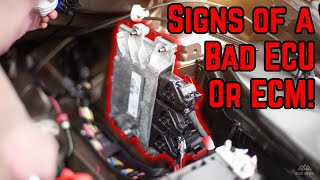
A failing ECM can cause a wide range of confusing and often intermittent problems. Because the ECM controls so many different systems, symptoms can vary, but here are some of the most common signs reported by 🎬 Watch: A breakdown of common symptoms of a failing ECM 2011-2014 Sonata owners:
- Check Engine Light: This is the most obvious sign. The light may stay on constantly or come and go. A flood of seemingly unrelated error codes at once can point to a failing ECM.
- Engine Performance Issues: You might experience engine stalling for no reason, rough idling, misfires, hesitation when accelerating, or a general loss of power.
- No-Start Condition: The engine may crank but fail to start, or it may not crank at all. This can be due to the ECM not sending the correct signals for spark or fuel injection.
- Transmission Shifting Problems: The ECM works with the transmission controller. A bad ECM can cause hard, erratic, or delayed shifting.
- Poor Fuel Economy: If the ECM isn't managing the engine efficiently, you may notice a sudden drop in your gas mileage.
- Instrument Cluster Malfunctions: Some owners report gauges like the speedometer or temperature gauge behaving erratically, which can sometimes be traced back to a faulty ECM.
Known Issues, Recalls, and Technical Service Bulletins (TSBs)

The 2011-2014 Hyundai Sonata was subject to significant recalls and campaigns related to its 2.4L Theta II engine. While these don't always directly involve ECM failure, the ECM is a key part of the remedy.
Engine Bearing Failure Recall and Knock Sensor Update
Hyundai issued major recalls (NHTSA 15V-568 and 17V-226) for potential premature engine bearing wear that could lead to engine seizure and, in some cases, fire. As part of the solution, Hyundai developed a Knock Sensor Detection System software update for the ECM. This software uses existing engine sensors to continuously monitor for vibrations that might indicate excessive bearing wear. If it detects a problem, it puts the vehicle into a reduced-power "limp mode" to prevent catastrophic engine failure and alerts the driver. Many vehicles in this year range should have had this ECM software update performed by a dealer.
Fuel Pipe Inspection Recall
A follow-up recall (NHTSA 18V934000) was issued for vehicles that had their engines replaced under the previous campaigns. It was found that the high-pressure fuel pipe may have been damaged or improperly installed during the engine replacement, leading to a potential fuel leak. This was a mechanical issue, not an ECM fault, but is relevant to the vehicle's service history.
Warning: The compatibility of this ECM is extremely specific. It is intended for 2011-2014 Hyundai Sonata models with a 2.4L engine, automatic transmission, and California (PZEV) emissions. You must verify that the 8th digit of your vehicle's VIN is 'C'. Using an ECM from a Federal emissions vehicle (or vice-versa) will cause performance and emissions system problems.
Buying a Used 2011-2014 Sonata ECM: What You Must Know

Purchasing a used ECM can be a cost-effective solution, but it requires careful attention to detail to avoid creating more problems.
1. Match Your Part Number EXACTLY
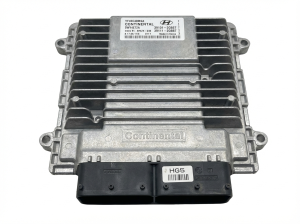
The most critical step is to match the OEM part number on your original ECM with the part number on the used unit. Do not rely on visual similarity. The specific part numbers for this PZEV module are:
- 39111-2G666 (Primarily for 2011 models)
- 39111-2G667 (Primarily for 2012 models)
- 39111-2G668 (Primarily for 2013-2014 models)
- 39111-2G669 (Primarily for 2014 models)
While some of these may be interchangeable, always prioritize getting the exact number that was in your car.
2. Programming and Immobilizer Syncing is REQUIRED
This is not a plug-and-play part. A used ECM must be programmed to your vehicle's Vehicle Identification Number (VIN). Additionally, it must be synchronized with the vehicle's immobilizer system for the engine to start. This procedure typically requires specialized diagnostic tools.
🎬 Watch: How the ECM programming procedure is performed- Dealer: A Hyundai dealership can always perform the necessary programming.
- Independent Shop: Many independent repair shops with advanced diagnostic tools (like a J-2534 pass-thru device) and a subscription to Hyundai's technical service website can program the ECM.
- Locksmith: An automotive locksmith may be able to perform the key relearn/immobilizer sync, but may not be able to perform the full ECM programming or software updates.
Pro Tip: Before buying a used ECM, call local dealerships and independent shops to confirm they are willing and able to program a customer-supplied used module and ask for a price estimate. Some shops may refuse to install and program used electronics.
3. Physical Inspection
When you receive the used ECM, inspect it carefully before installation. Look for:
- Corrosion: Any white or green crust on the housing or pins is a major red flag, indicating water damage.
- Bent Pins: Check that all connector pins are straight and clean.
- Case Damage: Look for signs that the case has been pried open, which could indicate a failed repair attempt.
ECM Replacement Cost Breakdown
The cost to replace a Sonata's ECM can vary significantly based on the source of the part and labor rates.
| Part Source | Estimated Part Cost |
|---|---|
| New OEM | $1,200 - $1,800 |
| Remanufactured | $200 - $400 |
| Used OEM | $50 - $150 |
| Shop Labor (Installation & Programming) | $150 - $300 |
Frequently Asked Questions (FAQ)
Do I have to go to the Hyundai dealer to program a replacement ECM?
Not necessarily. While a Hyundai dealer can always do the job, many well-equipped independent auto repair shops have the J-2534 programming tools and software subscriptions needed to program a new or used ECM to your car. It is essential to confirm with the shop beforehand that they can and will program a used module.
What's the difference between an ECM, PCM, and ECU?
The terms are often used interchangeably. ECM (Engine Control Module) and ECU (Engine Control Unit) typically refer to the computer that controls only the engine. PCM (Powertrain Control Module) usually means the computer controls both the engine and the automatic transmission. For this Sonata, the terms are effectively synonymous.
Will a used ECM from a 2012 Sonata work in my 2014 Sonata?
Possibly, but it is risky. While the modules look identical and may have interchangeable part numbers listed by sellers, there can be subtle hardware and software differences between years. It is always best to match the part number from your original ECM exactly to ensure full compatibility.
Can I drive my Sonata with a bad ECM?
It is not recommended. Depending on the failure mode, you could experience sudden stalling in traffic, which is a serious safety risk. If the car is in a reduced-power "limp mode," it should only be driven a short distance to a repair facility. Driving with a faulty ECM can also potentially damage other components, like the catalytic converter.
Technical Specifications

| Specification | Details |
|---|---|
| Vehicle Fitment | 2011-2014 Hyundai Sonata |
| Engine | 2.4L GDI (Theta II) |
| Transmission | Automatic |
| Emissions | California (PZEV) - VIN 8th Digit 'C' |
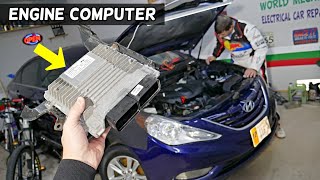
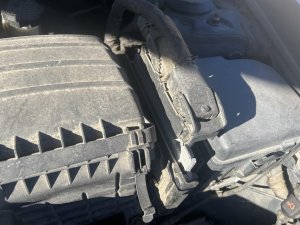
| Location | Engine bay, driver's side (LH), under the hood | 🎬 See this walkthrough on how to remove your engine computer
| OEM Part Numbers | 39111-2G666, 39111-2G667, 39111-2G668, 39111-2G669 |
Helpful Videos
Technical Specifications
OEM Part Numbers: 391112G666 391112G667 391112G668 391112G669
Fits 2011-2014 Hyundai Sonata with 2.4L engine, Automatic Transmission, and California (PZEV) emissions (8th VIN digit 'C').
We Have This Part in Stock




The information in this article is provided for general reference and educational purposes only. Vehicle specifications, procedures, and part compatibility can vary by production date, trim level, and region. Always consult your vehicle's factory service manual and verify part numbers before purchasing or performing repairs. Safety-critical components such as airbags, seat belts, and braking systems should be installed by a qualified professional.
- Hyundai Sonata:
- 🎬 Helpful Videos
- 🛍️ Shop This Part
- Symptoms of a Failing ECM
- Known Issues, Recalls, and Technical Service Bulletins (TSBs)
- Engine Bearing Failure Recall and Knock Sensor Update
- Fuel Pipe Inspection Recall
- Buying a Used 2011-2014 Sonata ECM: What You Must Know
- 1. Match Your Part Number EXACTLY
- 2. Programming and Immobilizer Syncing is REQUIRED
- 3. Physical Inspection
- ECM Replacement Cost Breakdown
- Frequently Asked Questions (FAQ)
- Technical Specifications
- 🎟️ Get 5% Off