

2009-2011 Hyundai Genesis 3.8L ECM: Failure Symptoms and Mandatory Programming Guide
Replacing the engine computer in your Genesis sedan requires mandatory programming; this guide covers symptoms, costs, and replacement options to get it right the first time.
- Programming is not optional. A replacement ECM must be programmed to your car's VIN and immobilizer system to function.
- You must match the OEM part number on your original ECM exactly. There was a production split around June 2010, making this step critical.
- Common failure symptoms include a 'crank, no start' condition, stalling, and a check engine light with P0605 codes.
- Buying a pre-programmed remanufactured unit or a used OEM unit and having it cloned are the most cost-effective solutions.
Symptoms of a Failing ECM in a 2009-2011 Hyundai Genesis

A failing Engine Control Module in the 2009-2011 Genesis 3.8L sedan can cause a wide range of confusing and severe problems. Because the ECM controls nearly every aspect of the engine's operation, symptoms can appear suddenly and may mimic other component failures.
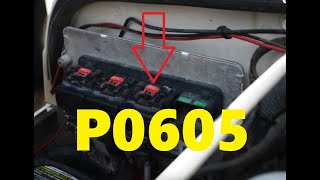
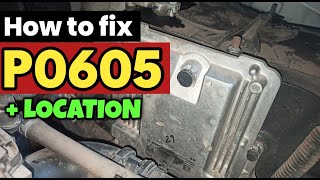
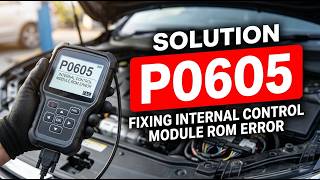
- Check Engine Light: This is often the first sign. Specific codes related to internal module failure, like P0605 (Internal Control Module Read Only Memory Error 🎬 Watch this guide on diagnosing and fixing the P0605 code), are a strong indicator of a bad ECM. You may also get false codes for sensors you have already replaced.
- Crank, No Start: The engine will turn over but will not fire up. This happens because the failing ECM is not commanding the fuel injectors or ignition coils to work.
- Engine Stalling: The engine may shut off unexpectedly while driving or when coming to a stop. This can be intermittent and dangerous.
- Poor Engine Performance: You might experience a noticeable loss of power, rough idling, engine stuttering, or misfires.
- No Communication with Scan Tool: In cases of severe failure, a diagnostic scan tool may not be able to communicate with the ECM at all, making diagnosis difficult.
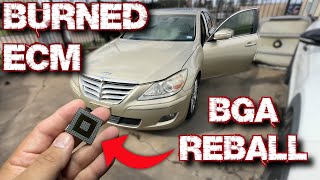
- Physical Damage: In some cases, internal components like capacitors can burn out, sometimes creating a visible hole or burnt spot on the module's circuit board.
Known Issues, Recalls, and Technical Service Bulletins (TSBs)

A significant issue for this generation of Genesis involves an official recall that requires ECM reprogramming.
NHTSA Campaign 125 (TSB 15-01-013-1): This recall was issued to address a faulty stop lamp switch. The service procedure for this recall often includes reprogramming the ECU (ECM) after replacing the switch and related components. This is important for owners to be aware of, as a dealership may have already performed a software update on the vehicle's original module. This further complicates using a non-programmed used module.
Warning: The ECM for the 3.8L Sedan is NOT interchangeable with the ECM from the 3.8L Coupe. The engine tuning, features, and software are different. You must use a module from a 3.8L Sedan.
Buying a Used Engine Control Module: What You MUST Know

Purchasing a used ECM is an excellent way to save money, but it is critical to follow these steps to ensure compatibility and avoid creating a bigger problem.
- Match the Part Number EXACTLY: This is the most important rule. Hyundai used several different ECMs during this period, and they are not interchangeable. A mid-production change occurred around June 10, 2010. You must remove your original ECM and match the OEM part number on the label to the used part you are buying. Known part numbers include 39106-3C010, 39106-3C012, and 39106-3C014.
- Physical Inspection: When you receive the used module, inspect it carefully. Look for any signs of corrosion on the pins, water damage to the case, or evidence that the case has been opened before.
- Understand Programming is Required: A used ECM will NOT start your car if you simply plug it in. It contains the VIN and anti-theft (immobilizer) data from the donor vehicle. Any seller claiming a used, non-prepared module is "plug and play" is incorrect.
- Why Used OEM is a Good Choice: A used, factory-original ECM that is correctly programmed to your vehicle is often more reliable than a cheap, new aftermarket unit. It is built to Hyundai's original quality standards.
Programming and Immobilizer Requirements

You cannot avoid programming this module. The ECM is linked to the vehicle's immobilizer system, which is part of the push-to-start ignition. When you install a different ECM, the immobilizer will prevent the car from starting as a theft-prevention measure. You have three main options to get the replacement ECM to work:
- Hyundai Dealership: A dealer can use their proprietary Hyundai Global Diagnostic System (GDS) to program a new or used ECM to your vehicle. This is the most straightforward but often most expensive option.
- Specialist Cloning Service: Many independent shops and mail-in services specialize in "cloning" modules. They read the data (VIN, immobilizer keys, etc.) from your original ECM and write it directly onto the replacement unit. If your original ECM is too damaged to communicate, some specialists can physically transplant the memory chip 🎬 See how a specialist repairs a burned no-communication Genesis ECM to the new board, which is a highly technical procedure.
- Pre-Programmed "Plug & Play" Modules: Some online retailers, like Flagship One, offer a service where you provide your vehicle's VIN when ordering a remanufactured ECM. They program the module before shipping it to you, allowing you to install it without needing further programming. This is an excellent option for DIY replacement.
Pro Tip: Before condemning your ECM, have a professional check all related fuses, relays, and ground connections. A bad ground or blown fuse can mimic ECM failure and is a much cheaper fix.
Replacement Location and Procedure
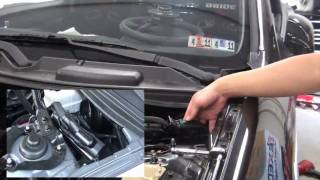
The physical replacement of the ECM is simple and can be done with basic tools. The module is located in the engine bay, on the driver's side, near the firewall 🎬 Watch a video walkthrough on removing the ECM from a Genesis and brake fluid reservoir.
- Disconnect the Negative Battery Terminal. This is a critical safety step. Do not skip it.
- Locate the ECM. It is a silver metal box with two large electrical connectors.
- Disconnect the two main wiring harness connectors. They have large gray or black levers that you lift to release the plug.
- Using a 10mm socket, remove the bolts that secure the ECM and its metal bracket to the vehicle's body.
- Once the assembly is out, remove the four 10mm bolts holding the ECM to the bracket.
- Mount the replacement ECM onto the bracket and reinstall it in the vehicle by following these steps in reverse.
Cost Comparison for ECM Replacement
| Part Type | Estimated Cost |
|---|---|
| New OEM (Dealer) | $1400 - $2050 |
| Remanufactured (Pre-programmed) | $200 - $450 |
| Used OEM (Salvage) | $75 - $150 |
| Shop Labor (Installation) | $75 - $150 |
| Shop Labor (Programming/Cloning) | $150 - $400 |
Frequently Asked Questions (FAQ)
Does a used 2009-2011 Genesis ECM need to be programmed?
Yes, absolutely. The ECM stores the vehicle's VIN and immobilizer key data. A used ECM from another car will prevent your car from starting until it is reprogrammed or "cloned" with your car's original information.
Can I replace the ECM myself?
The physical installation is very easy and requires only basic tools, taking less than an hour. However, the vehicle will not run until the module is programmed. If you buy a pre-programmed module, the entire job is DIY-feasible. Otherwise, you will need to have the car towed to a dealer or specialist for programming after you install the part.
Will the car start after I install a used ECM?
No. Due to the anti-theft system, the car will crank but will not start until the replacement ECM is programmed to match your vehicle's keys and VIN.
Why is it so important to match the part number?
Hyundai made hardware and software changes during the 2009-2011 production run. For example, part number 39106-3C012 was used for cars built before June 10, 2010, while 39106-3C014 was used for cars built after that date. Using the wrong part number can lead to compatibility issues, even if programmed correctly.
Helpful Videos

Technical Specifications
OEM Part Numbers: 39106-3C010 39106-3C012 39106-3C014
Fits 2009-2011 Hyundai Genesis Sedan with 3.8L V6 engine only. Does not fit Coupe models.
We Have This Part in Stock



The information in this article is provided for general reference and educational purposes only. Vehicle specifications, procedures, and part compatibility can vary by production date, trim level, and region. Always consult your vehicle's factory service manual and verify part numbers before purchasing or performing repairs. Safety-critical components such as airbags, seat belts, and braking systems should be installed by a qualified professional.
- Hyundai Genesis:
- 🎬 Helpful Videos
- 🛍️ Shop This Part
- Symptoms of a Failing ECM in a 2009-2011 Hyundai Genesis
- Known Issues, Recalls, and Technical Service Bulletins (TSBs)
- Buying a Used Engine Control Module: What You MUST Know
- Programming and Immobilizer Requirements
- Replacement Location and Procedure
- Cost Comparison for ECM Replacement
- Frequently Asked Questions (FAQ)
- 🎟️ Get 5% Off