

2019 Hyundai Elantra ECM: Decoding Failures, Part Numbers, and Critical Programming
This guide covers the common symptoms, critical part number details, and mandatory programming steps for replacing the Engine Control Module in your 2019 Hyundai Elantra.
- A replacement ECM MUST be programmed to your vehicle's VIN by a dealer or qualified shop; it is not plug-and-play.
- Engine stalling and poor performance can be caused by a major engine recall (NHTSA 21V301000). Check your VIN for this recall BEFORE replacing the ECM.
- You must EXACTLY match the OEM part number from your original module. Part numbers differ for automatic vs. manual transmissions and US vs. Korean-built models.
- Buying a used ECM requires factoring in the additional cost of professional programming, which can be several hundred dollars.
Symptoms of a Failing 2019 Elantra ECM

A faulty Engine Control Module can cause a wide range of issues, from subtle performance drops to a car that won't start at all. Because the ECM controls so many functions, symptoms can often be confused with other failing parts. Here are the most common signs of ECM trouble:
- Check Engine Light: An illuminated Check Engine Light is one of the most common symptoms. If the ECM detects an internal fault, it may trigger codes like P0605 (Internal Control Module ROM Error). It can also cause other codes if it provides incorrect data to or from other sensors.
- Engine Stalling or Misfiring: The engine may stall unexpectedly, either while driving or at idle. You might also experience engine misfires, hesitation, or a rough, erratic idle.
- No-Start Condition: A completely failed ECM can prevent the engine from starting. The engine may crank over but won't fire up because the ECM is not commanding the fuel injectors and ignition coils to work.
- Poor Engine Performance: You may notice a significant drop in power, poor acceleration, and surging. This happens when the ECM can't properly manage the air-fuel mixture and ignition timing.
- Reduced Fuel Economy: If the ECM is not running the engine efficiently, you may see a sudden and significant decrease in your gas mileage.
- Transmission Shifting Problems: In some cases, a faulty ECM can interfere with the operation of the automatic transmission, leading to harsh or erratic shifting.
Warning: Many of these symptoms, especially engine stalling and knocking noises, are also signs of a major engine defect covered by NHTSA Recall 21V301000. Before assuming your ECM has failed, check if your vehicle is affected by this recall.
Major Engine Recall Alert: Is It Your ECM or a Bad Engine?

Hyundai issued a major recall (NHTSA Campaign 21V301000) for certain 2019-2020 Elantra models equipped with the 2.0L Nu MPI engine. The problem involves improperly heat-treated piston oil rings that can chip, leading to cylinder wall damage, excessive oil consumption, engine knocking, stalling, and, in rare cases, engine seizure or fire.
The official remedy includes a dealer inspection and, if necessary, a complete engine replacement, free of charge. Part of the recall procedure also involves installing updated ECM software called the "Piston Ring Noise Sensing System (PNSS)," which helps detect early signs of the problem. Because the symptoms of this mechanical engine failure are nearly identical to ECM failure, it is absolutely essential to have a Hyundai dealer check if your vehicle is part of this recall before you spend any money on a replacement ECM.
Buying a Used 2019 Elantra ECM: A Step-by-Step Guide

Buying a used OEM ECM is a cost-effective option, but it requires careful attention to detail to ensure compatibility. Follow these steps precisely.
Step 1: Identify Your EXACT Vehicle Specifications
Compatibility depends on where your car was built and its transmission type. You can find this information using your Vehicle Identification Number (VIN).
- Build Location: The first character of your VIN indicates the country of origin. A 'K' means it was built in Korea, while a '5' means it was built in the US. This guide's part numbers are for US-built models.
- Transmission: Confirm if you have an automatic or manual transmission.
Step 2: Match the OEM Part Number EXACTLY
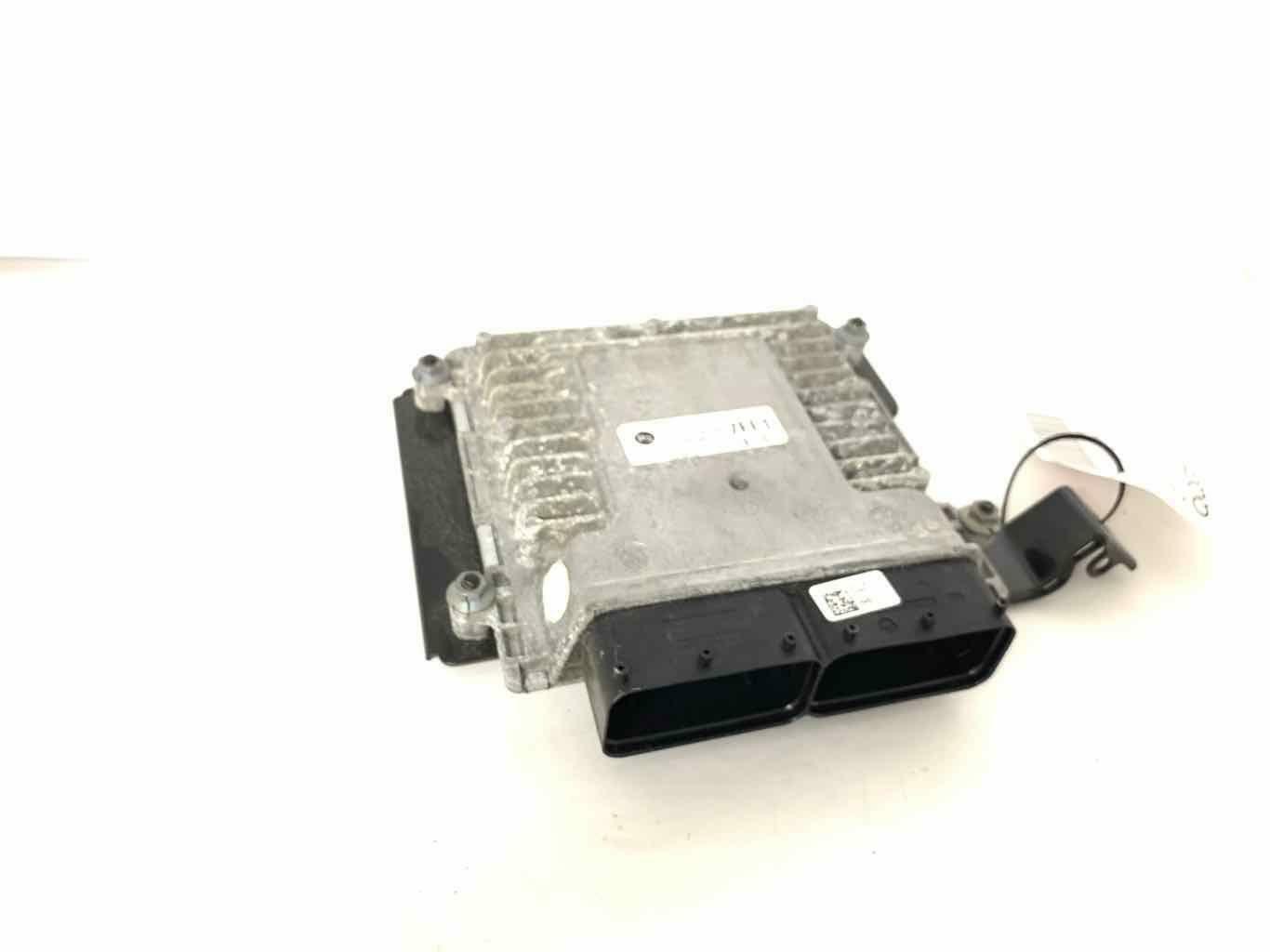
You must match the part number on your original ECM to the used one you are buying. There is no room for error here. Using the wrong part number will not work. Remove the original module from the vehicle and read the number directly from its label.
Known part numbers for the 2019 Elantra 2.0L include:
- 39173-2EFD5: For US-built sedans with a 2.0L engine and Automatic Transmission.
- 39171-2EFD5: For sedans with a 2.0L engine and Manual Transmission.
Other numbers may exist depending on trim (with/without smart key) and build location (Korea-built). Always trust the number on your physical part over any fitment catalog.
Pro Tip: Take a clear photo of the label on your original ECM. When shopping for a used module online, compare your photo to the photo in the listing to ensure an exact match.
Step 3: Understand Programming is NOT Optional
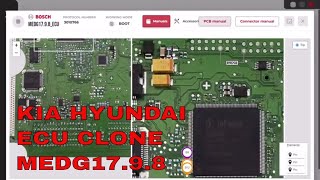
A used ECM will not work by simply plugging it in. It must be electronically programmed to your car's specific VIN and security system. If you buy a used module, you must factor in the additional cost and 🎬 See how used ECU cloning works to avoid programming issues time for programming.
CRITICAL: ECM Programming and Immobilizer Requirements

Replacing the ECM on a 2019 Elantra is more than a physical swap. The module is a critical part of the vehicle's anti-theft immobilizer system.
- VIN Programming: A new or used ECM must have your car's 17-digit VIN written to it. A Hyundai technical service bulletin states that once a VIN is written to a module, it cannot be changed or overwritten. Attempting to use an unprogrammed ECM will result in a no-start condition and trigger trouble code P0630.
- Who Can Program It? This is not a DIY job. Programming requires specialized tools. Your options are:
- Hyundai Dealership: They have the factory GDS-Mobile scan tool to perform the procedure.
- Independent Repair Shop: A well-equipped shop with a J-2534 pass-thru device and an active subscription to Hyundai's technical service website can program the module.
- Automotive Locksmith: Some advanced automotive locksmiths have the tools to program immobilizer systems and can handle ECM replacement.
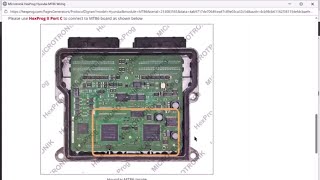
- Mail-In Service: Companies exist that can clone the data from your original (faulty) ECM to a replacement used unit, or program 🎬 Watch: How professional cloning tools copy data to a replacement ECM a replacement unit with your VIN if you provide it. This makes the replacement "plug-and-play" when it arrives.
Replacement Cost Comparison
The cost can vary significantly based on the path you choose. Labor for the physical swap is low (estimated under $100), but programming is the main cost.
| Part/Service Type | Estimated Cost | Notes |
|---|---|---|
| New OEM ECM | $460 - $700 | Price from a Hyundai dealership parts department. |
| Used OEM ECM | $75 - $250 | Price from online marketplaces or salvage yards. Does NOT include programming. |
| Remanufactured / Pre-Programmed | $450 - $550 | From specialty vendors. Often comes plug-and-play, programmed to your VIN. |
| Mail-in Repair/Cloning Service | $150 - $300 | You send your original and a replacement module to a service to have the data cloned. |
| Shop Labor & Programming | $150 - $400 | Cost for diagnosis, physical installation, and VIN/immobilizer programming at a dealer or independent shop. |
Frequently Asked Questions (FAQ)
Can I replace the 2019 Elantra ECM myself?
While the physical replacement of the module is relatively simple, the vehicle will not start until the ECM is professionally programmed to your car's VIN and immobilizer system. This is not a DIY-friendly job unless you are simply swapping a faulty module for a pre-programmed or cloned one from a mail-in service.
Can I drive my Elantra with a bad ECM?
It is not recommended. Depending on the failure mode, you could experience sudden engine stalling, which is a serious safety risk in traffic. If the car is running poorly, you also risk damaging other components like the catalytic converter. If the car won't start, you won't be able to drive it at all.
How do I know if my car is stalling because of the ECM or the engine recall?
You can't tell based on symptoms alone, as they are very similar. The first and most important step is to contact a Hyundai dealer or use the NHTSA's website to check your VIN for open recalls. If your vehicle is part of recall 21V301000, the dealer must perform the recall service, which may solve your stalling issue. Do this before paying for any ECM-related diagnosis.
Do I need to get my keys reprogrammed when I replace the ECM?
Yes, the ECM programming process involves synchronizing it with the vehicle's immobilizer system, which includes the keys. Whoever programs the new ECM will need access to all of your car keys to ensure they are recognized by the new module.
Helpful Videos
Technical Specifications
OEM Part Numbers: 39173-2EFD5 39171-2EFD5 39171-2EFC5 39171-2EFD0 39171-2EFD2
Fits 2019 Hyundai Elantra with 2.0L Nu MPI engine. Specific part number depends on transmission type (Automatic/Manual) and build location (US/Korea).
We Have This Part in Stock



The information in this article is provided for general reference and educational purposes only. Vehicle specifications, procedures, and part compatibility can vary by production date, trim level, and region. Always consult your vehicle's factory service manual and verify part numbers before purchasing or performing repairs. Safety-critical components such as airbags, seat belts, and braking systems should be installed by a qualified professional.
- Hyundai Elantra:
- 🎬 Helpful Videos
- 🛍️ Shop This Part
- Symptoms of a Failing 2019 Elantra ECM
- Major Engine Recall Alert: Is It Your ECM or a Bad Engine?
- Buying a Used 2019 Elantra ECM: A Step-by-Step Guide
- Step 1: Identify Your EXACT Vehicle Specifications
- Step 2: Match the OEM Part Number EXACTLY
- Step 3: Understand Programming is NOT Optional
- CRITICAL: ECM Programming and Immobilizer Requirements
- Replacement Cost Comparison
- Frequently Asked Questions (FAQ)
- 🎟️ Get 5% Off