

2016 Honda Pilot Engine Control Module: Programming, Problems, and Replacement
This guide covers the critical programming requirements, known issues, and costs associated with replacing the Engine Control Module (ECM) in a 2016 Honda Pilot.
- A replacement ECM for a 2016 Honda Pilot MUST be programmed to the vehicle's immobilizer system, or the engine will not start.
- Programming can be done by a Honda dealer, a qualified independent shop with specific tools, or through a mail-in cloning service.
- Before replacing the ECM for codes like P0420, P0430, or misfires, check TSB 20-100, as a software update and/or new fuel injectors may be the actual fix.
- Always match the part number on your original ECM exactly when sourcing a used replacement, as different trims have different modules.
Symptoms of a Failing 2016 Pilot ECM

A faulty Engine Control Module can cause a wide range of issues, from subtle performance problems to a vehicle that won't start at all. Because the ECM controls so many functions, it's important to distinguish its failure from simpler issues like bad sensors or spark plugs.
- Check Engine Light: This is the most common symptom. The light may be steady or flashing. A flashing light often indicates a severe engine misfire, which can damage the catalytic converter.
- Engine Performance Issues: You might experience engine stuttering, hesitation, rough idling, or a sudden loss of power. This can happen if the ECM is not correctly managing the air-fuel mixture or ignition timing.
- No-Start or Stalling: The engine may crank but fail to start, or it might stall unexpectedly while driving. This is a critical safety issue and indicates a serious ECM problem.
- Poor Fuel Economy: A sudden, unexplained drop in gas mileage can be a sign that the ECM is no longer optimizing the engine's fuel consumption.
- Associated OBD-II Codes: While many codes can point to other parts, codes specifically related to the processor itself (like P0600-P0606) are a strong indicator of internal ECM failure. Other codes related to misfires (P0300-P0306) or air-fuel ratio (P219A, P219B) could also be linked to the ECM, but other causes should be ruled out first.
Known Issues, Recalls, and Technical Service Bulletins (TSBs)

For the 2016 Honda Pilot, some engine-related issues are due to software, not a complete failure of the ECM hardware.
Warranty Extension for Fuel Injector and Software Issues (TSB 20-100)
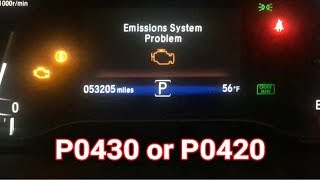
Honda issued a technical service bulletin and extended the warranty for a problem where the original ECM/PCM software could misinterpret sensor data, leading to diagnostic trouble codes P0420 or P0430 (catalyst system efficiency). This issue could also be related to clogged fuel injectors. The symptoms often include a check engine light and potential engine misfires (codes P0300-P0306). The fix involves a software update for the ECM and, in many cases, replacement of the fuel injectors. This warranty was extended to 10 years or 150,000 miles from the vehicle's original purchase date. Before replacing the ECM for these codes, a dealer should check if this TSB applies.
🎬 Watch: How to diagnose these specific TSB codes step-by-step.NHTSA Investigation for Engine Stall
The National Highway Traffic Safety Administration (NHTSA) opened an investigation into 2016-2020 Honda Pilots equipped with the 3.5L V6 and nine-speed automatic transmission for an issue where the engine may not restart after the auto start-stop feature engages. While this investigation focuses on the start-stop system, it highlights potential engine control complexities in these vehicles.
Other Recalls
The 2016 Pilot has had several other recalls, including for a potential connecting rod bearing failure, fuel tank leaks, and an instrument panel warning light malfunction, but these are not directly caused by the ECM itself.
Warning: A replacement ECM, whether new or used, MUST be programmed to your specific vehicle. The engine will not start until this procedure is completed because the ECM is linked to the car's anti-theft immobilizer system.
Buying a Used 2016 Honda Pilot ECM: What You Must Know

Purchasing a used OEM ECM is a cost-effective option, but you must follow specific steps to ensure it will work in your Pilot.
1. Programming is NOT Optional
The single most important thing to understand is that you cannot simply swap a used ECM and expect the car to run. The ECM contains the vehicle's Vehicle Identification Number (VIN) and is synchronized with the immobilizer module and your keys. If you install an unprogrammed module, the immobilizer will prevent the engine from starting as an anti-theft measure.
2. Who Can Program a Replacement ECM?
You have three main options for programming:
- Honda Dealership: The most straightforward, but often most expensive, option. They have the proprietary Honda Diagnostic System (HDS) required to perform the "ECM/PCM Replacement" function.
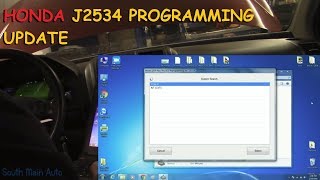
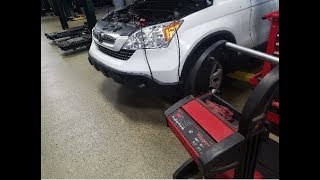
- Independent Repair Shop: A well-equipped independent shop can perform the programming. They need a professional-grade scan tool (like some Autel or Launch models) or a J2534 Pass-Thru device with a paid subscription to Honda's software. Always confirm with the shop that they have the specific capability for a 2016 Honda before bringing the vehicle to them. 🎬 Watch: How to flash reprogram a Honda using J2534.
- Mail-In Cloning Service: Some companies offer a service where you mail in your original ECM and the replacement used ECM. They will transfer or "clone" the immobilizer and VIN data from your old module to the replacement. When you get it back, it is plug-and-play, requiring no further programming. 🎬 See how a successful PCM programming and repair looks. This is a great option if your original module is still able to be read, even if it's faulty.
3. Matching Part Numbers
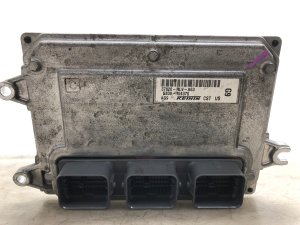
It is crucial to match the OEM part number from your original ECM. The initial part numbers for the 2016 Pilot were 37820-RLV-A21, 37820-RLV-A22, and 37820-RLV-A23. These have been superseded by newer numbers. For example, some dealer sites show part numbers like 37820-RLV-A44 replacing earlier versions like 37820-RLV-A41, A42, and A43. Different part numbers exist for different trim levels and drivetrain options (AWD vs. 2WD, with or without Honda Sensing). Always verify the part number on your physical unit before purchasing a replacement.
Replacement Cost Comparison

The cost to replace a 2016 Pilot ECM can vary significantly depending on the source of the part and labor rates.
| Part Type | Estimated Cost |
|---|---|
| New OEM | $460 - $780 |
| Used OEM | $100 - $300 |
| Remanufactured (with programming service) | $400 - $450 |
| Shop Labor (Installation & Programming) | $100 - $300 |
Frequently Asked Questions (FAQ)
Can I install a used ECM myself and drive to the shop for programming?
No. After you install the replacement ECM, the engine will crank but it will not start. The vehicle will be immobilized and will need to be towed to a dealership or repair shop for programming.
What happens if I don't program the replacement ECM?
The car's immobilizer system will not recognize the new ECM and will prevent the engine from starting. A blinking green key symbol on the dashboard is a common indicator that the immobilizer is active.
Does the mileage of the donor vehicle matter when buying a used ECM?
No, the mileage from the donor vehicle does not get transferred to your car. Your Pilot's mileage is stored in other modules, primarily the instrument cluster. The critical data that needs to be programmed is your vehicle's VIN and the security information for your keys.
Is a bad ECM the only cause for a check engine light?
No, far from it. The check engine light is a generic warning for hundreds of potential problems, most of which are simpler and cheaper to fix than the ECM. Always have the diagnostic trouble codes read and perform a full diagnosis before condemning the ECM. Issues like a loose gas cap, bad oxygen sensor, or spark plugs are much more common.
Helpful Videos
Technical Specifications
OEM Part Numbers: 37820-RLV-A21 37820-RLV-A22 37820-RLV-A23 37820-RLV-A41 37820-RLV-A42 37820-RLV-A43 37820-RLV-A44 37820-RLV-A85 37820-RLV-315 37820-RLV-316 37820-RLV-317
The ECM is located in the right-front of the engine compartment.
We Have This Part in Stock




The information in this article is provided for general reference and educational purposes only. Vehicle specifications, procedures, and part compatibility can vary by production date, trim level, and region. Always consult your vehicle's factory service manual and verify part numbers before purchasing or performing repairs. Safety-critical components such as airbags, seat belts, and braking systems should be installed by a qualified professional.
- Honda Pilot:
- 🎬 Helpful Videos
- 🛍️ Shop This Part
- Symptoms of a Failing 2016 Pilot ECM
- Known Issues, Recalls, and Technical Service Bulletins (TSBs)
- Warranty Extension for Fuel Injector and Software Issues (TSB 20-100)
- NHTSA Investigation for Engine Stall
- Other Recalls
- Buying a Used 2016 Honda Pilot ECM: What You Must Know
- 1. Programming is NOT Optional
- 2. Who Can Program a Replacement ECM?
- 3. Matching Part Numbers
- Replacement Cost Comparison
- Frequently Asked Questions (FAQ)
- 🎟️ Get 5% Off