

2008 Honda Pilot Engine Control Module: AWD Compatibility and Immobilizer Programming
This guide covers the critical details for replacing the ECM in a 2008 Honda Pilot, focusing on the mandatory programming and strict part number compatibility.
- The correct part for a 2008 Honda Pilot AWD is OEM number 37820-PVJ-A91; FWD modules are not compatible.
- ECM replacement requires mandatory programming to sync with the vehicle's immobilizer system; the car will not start without it.
- Programming can be done by a Honda dealer or a properly equipped automotive locksmith or independent mechanic.
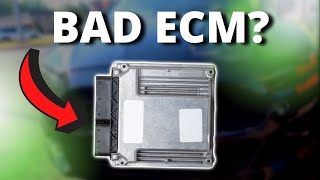
- Common failure symptoms include a no-start condition with a flashing green key light, stalling, and a check engine light with code P1607.
Symptoms of a Failing 2008 Honda Pilot ECM
A failing ECM can cause a wide range of issues, from subtle to severe. Because it controls so many critical engine functions, symptoms can often be mistaken for other problems. If you experience several of these symptoms, the ECM should be considered a possible cause.
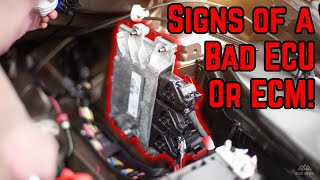
🎬 Watch: Common symptoms of a bad ECM explained- Check Engine Light: An illuminated Check Engine Light is one of the most common signs. Specific codes related to internal ECM failure, such as P1607 (ECM/PCM Internal Circuit Malfunction), are a strong indicator of a bad module. Other codes for multiple, unrelated sensors may also point to a faulty ECM.
- Engine Stalling or Misfiring: The engine may stall unexpectedly while driving or run rough with noticeable misfires. This can be due to the ECM failing to send the correct signals for fuel and spark.
- No-Start Condition: You may turn the key, and the engine will crank but not start. This often happens alongside a flashing green key-shaped immobilizer light on the dashboard, indicating the ECM is not communicating with the key properly.
- Poor Engine Performance: A general loss of power, hesitation during acceleration, and poor fuel economy can all be traced back to a malfunctioning ECM.
- Erratic Transmission Shifting: Since the ECM/PCM also controls the transmission, you might experience hard or delayed shifts.
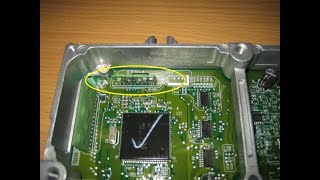
Pro Tip: On first-generation Pilots, ECM failure is sometimes temperature-dependent. Problems like stalling or a no-start condition that only appear in cold weather and resolve as the engine warms up can be caused by failing solder joints inside the ECM.
Known Issues, Recalls, and Technical Service Bulletins (TSBs)
While there are no specific recalls or TSBs from Honda for widespread ECM failure on the 2008 Pilot, the platform is known for certain issues.
- Recalls: The 2008 Honda Pilot has been subject to numerous recalls, primarily for Takata airbag inflators. There are no recalls directly addressing the engine control module.
- Technical Service Bulletins (TSBs): No TSBs were found specifically for ECM failure or the common P1607 trouble code on this model. Existing TSBs for the 2008 Pilot relate to other systems like navigation display clocks or TPMS sensors.
Buying a Used 2008 Honda Pilot ECM
Purchasing a used OEM ECM is a cost-effective solution, but careful verification is essential to avoid compatibility problems. A used module from a reputable supplier is often a more reliable choice than a new, unbranded aftermarket part.
1. Verify the Part Number
This is the most critical step. The ECM for a 2008 Honda Pilot with All-Wheel Drive (AWD) is part number 37820-PVJ-A91. This module is not compatible with Front-Wheel Drive (FWD) models, which use a different part number. Always match the part number on your original ECM to the replacement unit.
Warning: An ECM from a Front-Wheel Drive (FWD) 2008 Pilot will NOT work in an All-Wheel Drive (AWD) model, and vice-versa. You must match the OEM part number 37820-PVJ-A91 for an AWD vehicle.
2. Inspect the Module
When you receive the used ECM, inspect it for any signs of physical damage. Check for:
- Corrosion: White or green crust on the casing or pins indicates water damage, which is a major red flag.
- Bent Pins: Ensure all connector pins are straight and clean.
- Case Damage: Look for cracks or signs that the case has been opened, which could indicate a failed repair attempt.
3. Plan for Programming
A used ECM cannot be simply swapped into the vehicle. It must be programmed to the vehicle's immobilizer system. Factor the cost of programming into your budget. Some sellers offer a cloning service where they transfer the data from your old ECM to the replacement, creating a plug-and-play unit. This can save you a trip to the dealer but requires you to ship your original module to the seller.
Programming and Immobilizer Requirements
Programming is not optional. The ECM is a core part of the Honda Immobilizer System. The module, the immobilizer unit, and the transponder chip in your key are all linked. When you install a different ECM, this link is broken, and the vehicle will not start until the system is re-synced.
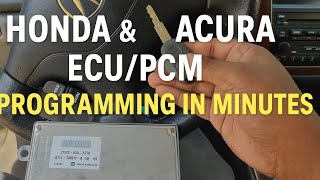
- Who can program the ECM? A Honda dealership or a well-equipped independent auto shop or automotive locksmith can perform the programming. They use a diagnostic tool, like the Honda HDS or a capable aftermarket scanner (such as Autel), to make the new 🎬 Watch: Step-by-step Honda ECU programming with Autel ECM recognize your existing keys.
- Can I do it myself? DIY programming of the ECM and immobilizer key is not possible without professional-level diagnostic tools. Simple key-cycling procedures will not work for an ECM replacement.
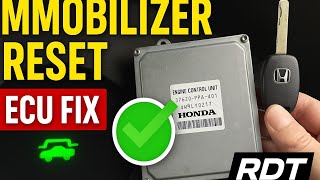
- What is the process? A technician connects a scan tool to the vehicle's OBD-II port and follows a specific procedure to register the keys to the new ECM. This re-establishes the security handshake, allowing the engine to start. 🎬 See how to relink the Honda immobilizer system
Replacement Cost Breakdown
The cost to replace the ECM can vary significantly based on the part source and labor rates.
| Part Source / Service | Estimated Cost |
|---|---|
| New OEM (Honda) | $1,500 - $2,300 |
| Remanufactured OEM | $300 - $500 |
| Used OEM | $25 - $100 |
| Shop Labor (Installation & Programming) | $120 - $250 |
Frequently Asked Questions (FAQ)
Do I absolutely have to program a replacement ECM for my 2008 Pilot?
Yes, programming is mandatory. The ECM is tied to the vehicle's anti-theft immobilizer system. Without programming, the ECM will not recognize your keys, and the engine will not start.
Can I use an ECM from a 2WD Pilot in my AWD Pilot?
No. The ECM for the All-Wheel Drive (AWD) model is part number 37820-PVJ-A91 and is not interchangeable with the ECM from a Front-Wheel Drive (FWD) model. You must match the part number exactly.
Where is the ECM located on a 2008 Honda Pilot?
The ECM is located in the engine compartment on the passenger side, near the front. It is mounted to a bracket and may be partially covered by a plastic shield. Accessing it requires removing this cover and disconnecting several large electrical connectors.
Can a locksmith program the new ECM or do I have to go to the dealer?
Many modern automotive locksmiths have the diagnostic tools required to program a Honda ECM and keys. However, it is always best to confirm with the locksmith that they have the specific equipment and software for a 2008 Honda Pilot before scheduling the service. A Honda dealership is always a guaranteed option.
Helpful Videos
Technical Specifications
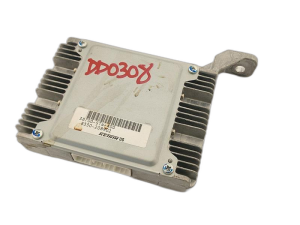
OEM Part Numbers: 37820-PVJ-A91 37820PVJA91
Fits 2008 Honda Pilot models with All-Wheel Drive (AWD) only. Requires immobilizer programming upon installation.
We Have This Part in Stock



The information in this article is provided for general reference and educational purposes only. Vehicle specifications, procedures, and part compatibility can vary by production date, trim level, and region. Always consult your vehicle's factory service manual and verify part numbers before purchasing or performing repairs. Safety-critical components such as airbags, seat belts, and braking systems should be installed by a qualified professional.
- Honda Pilot:
- 🎬 Helpful Videos
- 🛍️ Shop This Part
- Symptoms of a Failing 2008 Honda Pilot ECM
- Known Issues, Recalls, and Technical Service Bulletins (TSBs)
- Buying a Used 2008 Honda Pilot ECM
- 1. Verify the Part Number
- 2. Inspect the Module
- 3. Plan for Programming
- Programming and Immobilizer Requirements
- Replacement Cost Breakdown
- Frequently Asked Questions (FAQ)
- 🎟️ Get 5% Off