

2005 Honda Pilot ECM: Programming, Immobilizer, and Trim Level Issues
This guide covers the critical details you must know before replacing the Engine Control Module on your 2005 Honda Pilot, including mandatory programming and trim-specific part matching.
- This ECM MUST be programmed to your vehicle's VIN and immobilizer system after installation, or the engine will not start.
- There are different ECMs for EX/LX trims and the EX-L (leather) trim. You must match the OEM part number from your old unit exactly.
- Programming can be done by a Honda dealer, a well-equipped independent mechanic, or an automotive locksmith.
- A used OEM ECM is a viable option, but factor in the cost of programming ($100-$250) when comparing prices.
Symptoms of a Failing 2005 Honda Pilot ECM
A failing Engine Control Module can cause a wide range of confusing symptoms. Because the ECM controls so many different functions, problems can appear to be related to other parts. Always perform a thorough diagnosis before condemning the ECM.
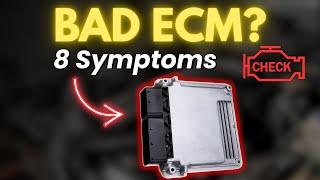
🎬 Watch: A breakdown of common symptoms of a bad ECM- Check Engine Light: This is the most common symptom. The light may stay on constantly, and you might find codes stored that point to various sensor failures, even if the sensors themselves are good. In some cases, the ECM itself will set a specific internal error code.
- Engine Performance Issues: You may experience engine stuttering, misfires, a sudden loss of power, or poor acceleration. This can happen if the ECM is not correctly calculating the air-fuel mixture or ignition timing.
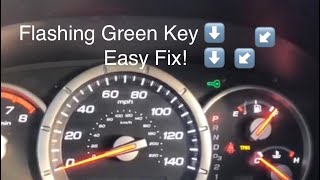
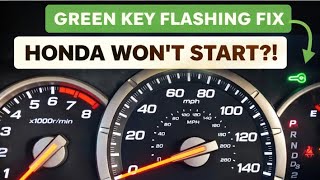
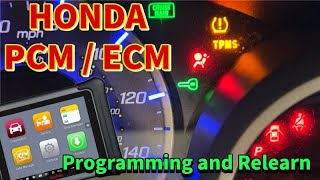
- Car Won't Start: A completely failed ECM can prevent the engine from starting at all. The module may not be sending the correct signals to the fuel pump or ignition system. The green immobilizer key light on the dashboard may also flash, indicating the ECM is not recognizing the key. 🎬 See what a flashing green key light looks like
- Poor Fuel Economy: If the ECM is not managing the engine efficiently, you may notice a sudden and significant drop in your gas mileage.
- Transmission Shifting Problems: The ECM communicates with the Transmission Control Module (TCM). A faulty ECM can send incorrect data, leading to harsh, erratic, or delayed shifting.
Known Issues, Recalls, and Technical Service Bulletins (TSBs)
While there are no recalls specifically for the Engine Control Module on the 2005 Honda Pilot, there is a significant safety recall related to the Vehicle Stability Assist (VSA) system that buyers should be aware of.
NHTSA Recall 13V092000: This recall addresses an issue where the VSA system could unexpectedly apply the brakes without driver input. This was caused by a potential capacitor issue within the VSA control module or a loose ground connection. While this is not a direct ECM failure, its symptoms (unexpected braking) can be alarming and are related to the vehicle's electronic control systems. The fix involves dealers installing a new wiring sub-harness or tightening the ground bolt.
Warning: The most critical information for this part is not a recall, but a compatibility trap. The ECM for EX and LX models is different from the ECM for the EX-L (leather) trim. They use different part numbers and are not interchangeable. You must match the part number from your original unit exactly.
Buying a Used 2005 Honda Pilot ECM
Purchasing a used ECM is a cost-effective solution, but it requires careful attention to detail to avoid creating more problems. Given the complexity of this part, a used OEM unit is often a more reliable choice than a new, unproven aftermarket part.
1. Match the Part Number EXACTLY
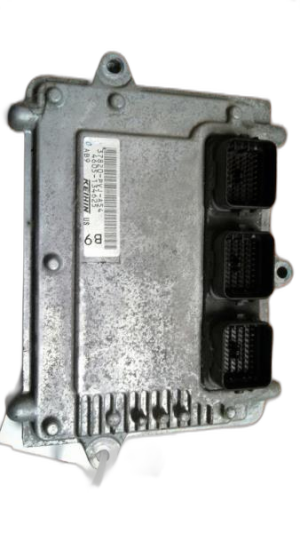
This is the most important step. Honda used different ECMs for different trim levels. The ECM for an EX or LX model will NOT work in an EX-L model, and vice-versa. Do not trust a seller who says a part 'should fit'. Physically inspect your vehicle's original ECM and find the sticker with the part number. Match it to the used part you intend to buy. Known part numbers for the EX and LX trims include 37820-PVJ-A51, 37820-PVJ-A52, 37820-PVJ-A53, and 37820-PVJ-A54.
2. Plan for Programming
A used ECM will not work by simply plugging it in. The vehicle will not start. This is because the ECM is linked to the vehicle's immobilizer system. The immobilizer is an anti-theft feature that requires the ECM, immobilizer unit, and the transponder chip in your ignition key to all be synchronized. When you install a different ECM, this synchronization is broken, and the immobilizer will prevent the engine from starting.
3. Who Can Program the ECM?
You have a few options for getting the replacement ECM programmed:
- Honda Dealership: A dealership can always perform the programming. They have the specific tools (like the Honda HIM tool) and software to write your vehicle's VIN to the replacement ECM and sync it with your existing keys. This is the most straightforward but often most expensive option.
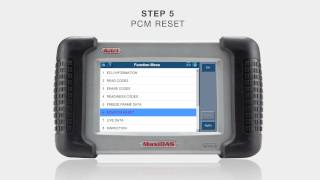
- Independent Mechanic or Locksmith: Many independent shops and automotive locksmiths have advanced diagnostic tools, like certain Autel or Snap-on scanners, that can perform the immobilizer relearn procedure for Honda vehicles. 🎬 Watch: How to program a used Honda ECM with Autel They can register your keys to the new ECM. It is wise to call ahead and confirm they have this capability for a 2005 Honda Pilot.
- Mail-In Service: Some companies offer a mail-in service where you send them your original ECM and the replacement unit. They transfer the immobilizer data from your old unit to the new one, making the replacement 'plug-and-play' when you receive it back. This is a good option if you don't have local programming support.
Pro Tip: Before you buy a used ECM, call a few local locksmiths or independent Honda specialists. Ask them if they can program a customer-supplied used ECM for a 2005 Pilot and what they charge. This will help you budget for the entire job.
Cost of Replacement
The cost to replace the ECM can vary significantly based on the part source and labor.
| Item | Estimated Cost |
|---|---|
| New OEM ECM | $1,400 - $2,200 |
| Remanufactured Aftermarket | $250 - $500 |
| Used OEM | $75 - $200 |
| Shop Labor (Replacement) | $100 - $150 |
| Shop Labor (Programming) | $100 - $250 |
Frequently Asked Questions (FAQ)
Where is the ECM located on a 2005 Honda Pilot?
The ECM is located in the engine compartment, on the right-hand (passenger) side. It is a metal box with several large electrical connectors attached.
Can I drive my Pilot with a bad ECM?
It is not recommended. Depending on the failure mode, you could experience anything from poor performance to the engine stalling while driving, which is a serious safety risk. If the car won't start, you won't be able to drive it at all.
Do I need to program a new key if I replace the ECM?
No, you do not need new keys. The programming process involves teaching the replacement ECM to recognize your vehicle's existing keys. You will need all of your keys present during the programming procedure.
What OBD-II codes point to a bad ECM?
While many codes can be caused by a bad ECM, codes specifically related to internal module failure include P0602 (Control Module Programming Error), P0603 (Internal Control Module Keep Alive Memory (KAM) Error), and P0607 (Control Module Performance). However, it's more common for a failing ECM to set codes for other sensors that are actually working correctly.
Will disconnecting the battery reset the ECM?
Disconnecting the battery will clear some temporary trouble codes and might resolve a minor software glitch, but it will not fix a failed ECM or solve the immobilizer issue when swapping modules. The immobilizer programming is stored in non-volatile memory and is not erased by power loss.
Helpful Videos
Technical Specifications
OEM Part Numbers: 37820-PVJ-A51 37820-PVJ-A52 37820-PVJ-A53 37820-PVJ-A54 37820-PVJ-305
Fits 2005 Honda Pilot EX and LX models without leather and without navigation. Requires programming.
We Have This Part in Stock


The information in this article is provided for general reference and educational purposes only. Vehicle specifications, procedures, and part compatibility can vary by production date, trim level, and region. Always consult your vehicle's factory service manual and verify part numbers before purchasing or performing repairs. Safety-critical components such as airbags, seat belts, and braking systems should be installed by a qualified professional.
- Honda Pilot:
- 🎬 Helpful Videos
- 🛍️ Shop This Part
- Symptoms of a Failing 2005 Honda Pilot ECM
- Known Issues, Recalls, and Technical Service Bulletins (TSBs)
- Buying a Used 2005 Honda Pilot ECM
- 1. Match the Part Number EXACTLY
- 2. Plan for Programming
- 3. Who Can Program the ECM?
- Cost of Replacement
- Frequently Asked Questions (FAQ)
- 🎟️ Get 5% Off