

2017-2018 Honda CR-V 1.5T ECM: Programming, Oil Dilution Fixes, and Replacement Guide
This guide covers the critical programming requirements, common failure symptoms, and known software updates for the 2017-2018 Honda CR-V Engine Control Module.
- A replacement ECM **MUST** be programmed to your vehicle's VIN and immobilizer system by a dealer or a properly equipped shop. It is not a plug-and-play part.
- Many drivability issues, including the well-known oil dilution problem (P0172 code), are fixed with a software update (reflash) to the existing ECM, not a hardware replacement.
- Before buying a replacement, always have a Honda dealer check if your vehicle is eligible for free software updates under TSBs 18-114 or 19-032.
- When buying a used ECM, you must match the OEM part number exactly to ensure compatibility with your vehicle's drivetrain (AWD vs. FWD).
Symptoms of a Failing ECM

A failing Engine Control Module can cause a wide variety of problems, which can sometimes be difficult to diagnose. Because the ECM controls so many different systems, its failure can mimic the failure of other parts. Here are the most common signs that your CR-V's ECM might be in trouble:
- Check Engine Light: This is the most obvious sign. A failing ECM can trigger a variety of Diagnostic Trouble Codes (DTCs). Codes specifically pointing to an internal ECM failure include P0600 through P060A.
- Engine Performance Issues: You might experience rough idling, engine stalling, hesitation when accelerating, or poor fuel economy. In some cases, the engine may crank but refuse to start.
- Multiple Unrelated Warning Lights: A common symptom of a failing ECM on modern Hondas is the sudden appearance of multiple, seemingly unrelated warning lights on the dashboard (e.g., emissions system, brake system, power steering). This often happens because other modules in the vehicle can no longer communicate with the faulty ECM.
- No Communication with Scan Tool: If a diagnostic scan tool cannot connect to the ECM, it's a strong indicator that the module itself has failed.
Known Issues, Recalls, and Technical Service Bulletins (TSBs)

The 2017-2018 Honda CR-V with the 1.5L turbo engine has several well-documented issues that involve the ECM. It's important to note that most of these issues are resolved with a software update (a "reflash") rather than a complete ECM replacement.
Oil Dilution and Drivability Concerns (TSB 19-032, TSB 18-114)
The most significant issue for these vehicles is engine oil dilution, where gasoline mixes with the engine oil. This problem is more common in cold climates and with short-trip driving patterns. Symptoms include a rising oil level and a strong smell of gasoline on the dipstick. This can lead to poor engine lubrication and, in severe cases, engine damage. Associated DTCs include P0172 (Fuel System Too Rich) and various misfire codes (P0300-P0304).
The Fix: Honda released several product updates and warranty extensions to address this. The repair involves a software update for the ECM (PGM-FI) and Transmission Control Module (TCM), an engine oil change, and in many cases, a replacement of the A/C control unit. This software update changes engine and transmission logic to help the engine warm up faster and reduce the chance of fuel dilution. It is crucial to have a dealer check your vehicle's VIN to see if these updates have been performed before considering an ECM replacement for these symptoms.
Pro Tip: If your CR-V is experiencing symptoms of oil dilution or has a P0172 code, the first step is always to check with a Honda dealer to see if your vehicle is eligible for the warranty extension and software update. Do not replace the ECM, as the problem is with the software, not the hardware.
Programming and Immobilizer Requirements

This is the single most important section for anyone considering a replacement ECM.
Warning: A replacement ECM, whether new or used, will NOT work by simply plugging it in. The vehicle will not start. The ECM must be programmed to your specific vehicle's Vehicle Identification Number (VIN) and synchronized with the immobilizer system.
The ECM is a key component of the vehicle's anti-theft system (the immobilizer). When you insert your key (or have the key fob in the vehicle), the immobilizer control unit sends a code to the ECM. If the codes don't match, the ECM will not allow the engine to start. A replacement ECM has a different code, so it needs to be "introduced" to the car's immobilizer system and keys.
Who Can Program a Honda ECM?
- Honda Dealerships: They have the required Honda Diagnostic System (HDS) or i-HDS software and can always perform the programming.
- Qualified Independent Shops: Many independent auto repair shops that specialize in Hondas or have advanced diagnostic tools (like an Autel MaxiIM or a J2534 pass-thru device) can also program a replacement ECM.
- Automotive Locksmiths: Some advanced automotive locksmiths have the tools to perform immobilizer and key programming.
- DIY: This is not feasible for the average DIY mechanic due to the need for expensive, proprietary software and hardware.
The process involves using a diagnostic tool to register the new ECM with the immobilizer unit and then re-registering all existing keys to the new system.
Buying a Used 2017-2018 CR-V ECM

Buying a used ECM can be a cost-effective solution, but you must be careful to ensure compatibility and factor in the cost of programming.
- Match the Part Number EXACTLY: The most critical step is to match the OEM part number on your original ECM with the used one. There are different ECMs for All-Wheel Drive (AWD) and Front-Wheel Drive (FWD) models, and using the wrong one will cause issues. The provided part numbers (37820-5PA-A83 through A89) are for the 1.5L Turbo AWD models.
- Verify the Vetted Data: The initial information is correct. These ECMs are for US-market 2017-2018 CR-Vs with the 1.5L Turbo and AWD. Do not use them for FWD models or vehicles with the 2.4L engine.
- Inspect for Physical Damage: When you receive the used ECM, inspect the case for any signs of being opened, and check the connector pins to ensure none are bent, corroded, or damaged. Water damage is a common cause of ECM failure, so look for any signs of corrosion or water marks.
- Budget for Programming: Remember to include the cost of programming by a dealer or qualified shop in your total replacement cost. Call around for quotes before you buy the part.
- Why Used OEM is a Good Choice: For a complex electronic part like an ECM, a used original equipment (OEM) part is often a better choice than a new aftermarket one. The OEM hardware and software are designed specifically for your vehicle, ensuring proper function of all systems once programmed.
Replacement Cost Breakdown
The cost to replace the ECM can vary significantly based on the part source and labor rates. Programming is an additional cost to the physical replacement.
| Item | Estimated Cost | Notes |
|---|---|---|
| New OEM Part | $300 - $450 | Purchased from a Honda dealership or online OEM parts retailer. |
| Used OEM Part | $75 - $150 | Commonly found at automotive recycling yards or on eBay. |
| Remanufactured | $200 - $400 | Availability may vary. |
| Shop Labor (Physical Swap) | $75 - $110 | This is for the physical removal and installation only (approx. 0.5-0.7 hours). |
| Shop Labor (Programming) | $100 - $250 | This is a separate charge and is mandatory for the part to function. |
Frequently Asked Questions (FAQ)
Where is the ECM located on a 2017-2018 Honda CR-V?
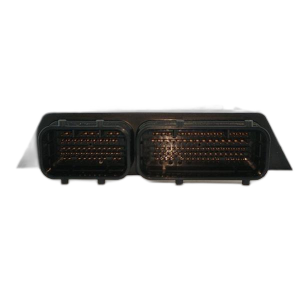
The ECM is located in the engine bay on the driver's side, near the battery and fuse box. It is a silver metal box with several large electrical connectors.
Can I just swap the ECM from another CR-V?
No. Due to the immobilizer system, an ECM from another vehicle will not start your car unless it is professionally reprogrammed to your vehicle's VIN and keys.
Will a replacement ECM fix the oil dilution problem?
No, not directly. The oil dilution issue is primarily addressed by a software update. A replacement ECM will still need to have the latest software installed by a dealer to incorporate the fix. Always pursue the software update TSB first before replacing any hardware.
My mechanic says my ECM is bad. What should I do first?
First, confirm how they diagnosed it. Did they check for communication with a scan tool? Did they rule out power/ground issues to the ECM? Second, get the exact part number from your original ECM. Finally, call local dealers and qualified independent shops to get quotes for programming a replacement unit before you purchase one.
Technical Specifications
OEM Part Numbers: 37820-5PA-A83 37820-5PA-A84 37820-5PA-A85 37820-5PA-A86 37820-5PA-A87 37820-5PA-A88 37820-5PA-A89
Location: Engine bay, driver's side, near battery and fuse box.
We Have This Part in Stock




The information in this article is provided for general reference and educational purposes only. Vehicle specifications, procedures, and part compatibility can vary by production date, trim level, and region. Always consult your vehicle's factory service manual and verify part numbers before purchasing or performing repairs. Safety-critical components such as airbags, seat belts, and braking systems should be installed by a qualified professional.
- Honda CR-V:
- 🛍️ Shop This Part
- Symptoms of a Failing ECM
- Known Issues, Recalls, and Technical Service Bulletins (TSBs)
- Oil Dilution and Drivability Concerns (TSB 19-032, TSB 18-114)
- Programming and Immobilizer Requirements
- Who Can Program a Honda ECM?
- Buying a Used 2017-2018 CR-V ECM
- Replacement Cost Breakdown
- Frequently Asked Questions (FAQ)
- 🎟️ Get 5% Off