

2012-2014 Honda CR-V Engine Control Module (ECM): A Guide to Programming, Issues, and Replacement
Replacing the engine computer in your CR-V requires mandatory programming to sync with the immobilizer; this guide covers the symptoms, costs, and procedures you need to know.
- A replacement ECM (new or used) MUST be programmed to the vehicle by a dealer or qualified shop; the car will not start without this step.
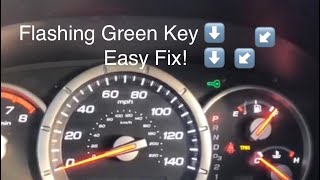
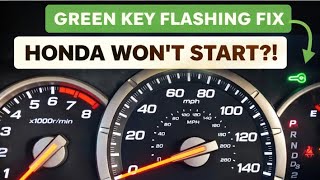
- The most common symptom of an immobilizer-related ECM issue is the engine cranking but not starting, with a flashing green key light on the dash.
- A software update (TSB 14-071) may fix no-start issues related to a dead battery on 2012 models by correcting the charging logic.
- Buying a used OEM module with a matching part number is the most cost-effective solution, but you must factor in the mandatory programming cost.
Symptoms of a Failing ECM in a 2012-2014 Honda CR-V

A failing Engine Control Module can cause a wide range of confusing and seemingly unrelated problems. Because the ECM controls so many different systems, its failure can mimic other issues. Here are the most common signs that your CR-V's ECM may be faulty:
- Check Engine Light: An illuminated Check Engine Light is one of the most common symptoms. The ECM may set a code for an internal failure, such as P1607 (ECM/PCM Internal Circuit Failure), or it may set codes for other sensors because it can no longer correctly interpret their signals.
- Engine Will Not Start: This is a critical symptom. You may turn the key and the engine cranks but never starts. This is often accompanied by a flashing green key-shaped light on the dashboard, which indicates the immobilizer system is active 🎬 Watch: What a flashing green key light looks like because the ECM is not recognized.
- Stalling or Misfiring: The engine may stall unexpectedly while driving or at idle. You might also experience engine misfires, hesitation, or a rough, irregular idle as the ECM struggles to manage fuel and spark delivery correctly.
- Poor Performance and Fuel Economy: A noticeable drop in power, sluggish acceleration, and a sudden decrease in gas mileage can all point to an ECM that is not managing the engine efficiently.
- Erratic Transmission Behavior: Since the ECM also influences automatic transmission shifting, a faulty module can cause harsh shifting, delayed engagement, or other transmission-related problems.
Known Issues, Recalls, and Technical Service Bulletins (TSBs)

While there are no direct recalls for the ECM on the 2012-2014 CR-V, there are important software updates and related campaigns to be aware of.
- TSB 14-071 - Battery Management Software Update: Some 2012 CR-Vs may experience a no-start condition due to a low battery. This TSB addresses an issue where the ECM (referred to as PGM-FI in the bulletin) may not select the correct charging mode, leading to a drained battery. The fix is a software update performed by a Honda dealer.
- TSB 15-086 - Drivetrain Vibration/Judder: Owners may feel a surge or vibration while driving under light acceleration. This issue is addressed by a transmission software update (managed by the ECM) and a change of the transmission fluid.
- Recall 13V-143 (Brake-Shift Interlock): Affects 2012-2013 models. In sub-freezing temperatures, the gear selector could be moved from Park without pressing the brake, creating a rollaway risk. This is not an ECM issue but is an important safety campaign for these model years.
- Recall 23V858000 (Fuel Pump): A broad recall affecting many Honda models, including the 2013-2014 CR-V. The fuel pump module may fail, causing the engine to stall while driving.
Warning: The most critical aspect of replacing the ECM in a 2012-2014 Honda CR-V is the immobilizer system. The vehicle will NOT start after installing a replacement ECM (new or used) until it has been programmed to the vehicle's keys and immobilizer module.
Buying a Used Engine Control Module (ECM)

Purchasing a used OEM ECM is a cost-effective way to get your CR-V back on the road, but careful selection is key. Here’s what to look for:
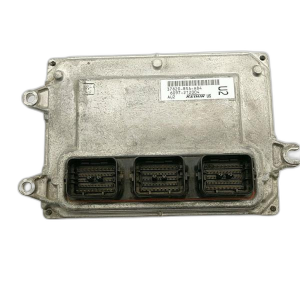
- Match the Part Number: The most important step is to match the part number exactly. Remove your original ECM and find the number printed on the label. Several part numbers were used for this generation (e.g., 37820-R5A-306, 37820-R5A-A66, 37820-R5A-A67), and many supersede older numbers. Matching the part number is the best way to ensure compatibility with your vehicle's engine, transmission (FWD vs. AWD), and features.
- Physical Inspection: When you receive the used module, inspect it carefully. Look for any signs of corrosion on the case or pins, which could indicate water damage. Check if the case has been pried open. A clean, unopened module from a reputable recycler is your best bet.
- Plan for Programming: A used ECM is not a plug-and-play part. You MUST have it programmed. Before you buy, contact your local Honda dealer or a qualified independent shop that has a Honda Diagnostic System (HDS) or a professional-grade J2534 pass-thru tool. 🎬 Watch: How a used ECM is programmed to the vehicle Confirm they are willing and able to program a customer-supplied used ECM and ask for a price quote. Some locksmiths can also perform this service.
- Why Used OEM is a Good Choice: For a complex electronic part like an ECM, a used original equipment (OEM) module is often more reliable than a new aftermarket or poorly remanufactured unit. OEM modules are built to Honda's exact specifications and are less likely to have compatibility or quality issues.
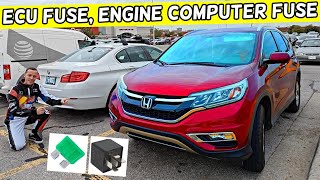
Pro Tip: The ECM is located in the engine bay on the passenger side, near the front of the vehicle. It is typically housed in a black plastic case. The main PGM-FI relay is located in the under-hood fuse box.
🎬 See this video to locate your ECM and computer fusesCost Breakdown for Replacement
The cost to replace the ECM can vary widely based on the part source and labor rates. Programming is a mandatory additional cost.
| Item | Estimated Cost | Notes |
|---|---|---|
| New OEM ECM | $800 - $1,250 | Purchased from a Honda dealership parts department. |
| Remanufactured ECM | $650 - $750 | From major auto parts stores. Quality can vary. |
| Used OEM ECM | $50 - $150 | From online marketplaces or salvage yards. This is the most affordable part option. |
| Shop Labor (Physical Swap) | $50 - $100 | The physical replacement is quick, typically taking less than an hour. |
| Programming Cost | $100 - $200 | This is a separate, mandatory cost. Dealers often charge one hour of labor. Specialized locksmiths may be slightly cheaper. |
| Total Estimated Cost (with Used Part) | $200 - $450 | Includes used part, labor for installation, and programming. |
Frequently Asked Questions (FAQ)
Will my 2013 CR-V start after I install a used ECM?
No, it will not. The engine will crank but will not start because the immobilizer system will not recognize the replacement ECM. A flashing green key light on the dashboard is the tell-tale sign of this issue. The ECM must be electronically registered to your vehicle's keys and immobilizer module by a professional.
Can I program a Honda ECM myself?
For the average DIY mechanic, the answer is no. Programming requires expensive, specialized tools like the Honda HDS or a J2534 pass-thru device, along with a software subscription. The cost of this equipment is prohibitive for a one-time use. It is more practical to have a dealer or qualified independent shop perform the programming.
Does the VIN or mileage need to match on a used ECM?
No, the VIN and mileage do not need to match. The programming process, often called an "ECM/PCM Replacement" function in the diagnostic tool, will overwrite the VIN from the used module with your vehicle's VIN and sync it with your existing keys and immobilizer. The primary concern is matching the part number for hardware compatibility.
What is the difference between an ECM, PCM, and ECU?
For the 2012-2014 Honda CR-V, these terms are often used interchangeably. ECU (Engine Control Unit) is a generic term. ECM (Engine Control Module) is more specific. PCM (Powertrain Control Module) is often used because the module controls both the engine and the automatic transmission. In this vehicle, it is a single computer that does both jobs.
Helpful Videos
Technical Specifications
OEM Part Numbers: 37820-R5A-306 37820-R5A-A64 37820-R5A-A65 37820-R5A-A66 37820-R5A-A67 37820-R5A-A54 37820-R5A-A56 37820-R5A-A75 37820-R5A-A86 37820-R5A-A87
Located in the engine bay, passenger side. Controls engine, transmission, and immobilizer functions. Requires programming via Honda HDS or J2534-compliant tool.
We Have This Part in Stock





The information in this article is provided for general reference and educational purposes only. Vehicle specifications, procedures, and part compatibility can vary by production date, trim level, and region. Always consult your vehicle's factory service manual and verify part numbers before purchasing or performing repairs. Safety-critical components such as airbags, seat belts, and braking systems should be installed by a qualified professional.
- Honda CR-V: