

2009-2011 Honda Civic ECM: The Critical Facts on Programming and Compatibility
- A replacement ECM for a 2009-2011 Civic MUST be programmed to the vehicle's immobilizer system to start.
- It is critical to match the part number exactly and ensure the ECM is for the correct market (US vs. Canadian).
- A Honda dealer, a qualified independent shop, or a mail-in cloning service can perform the necessary programming.
- Symptoms of failure include a no-start condition, stalling, poor performance, and a flashing green key light on the dash.
Symptoms of a Failing 2009-2011 Honda Civic ECM


The Engine Control Module (ECM), often called the Engine Control Unit (ECU), is your car's main computer. It controls critical engine functions like fuel injection, ignition timing, and variable valve timing. When the ECM starts to fail, it can cause a wide range of confusing and intermittent problems. Recognizing these symptoms is the first step to a correct diagnosis.
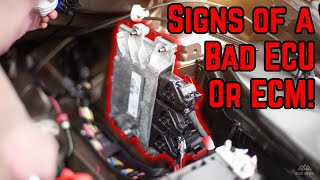
🎬 Watch: Common signs and symptoms of a failing ECM- Check Engine Light: This is the most common symptom. A failing ECM can trigger a variety of diagnostic trouble codes (DTCs). While many codes point to specific sensors, a sudden flood of multiple, seemingly unrelated codes can indicate an ECM issue. A code specifically for a faulty ECM is P1607 on some Honda models.
- Engine Performance Issues: You may experience rough idling, engine stalling, misfires, hesitation during acceleration, or a general loss of power. The car might feel sluggish or unpredictable.
- No-Start Condition: A completely failed ECM can prevent the engine from starting at all. The engine may crank but won't turn over because the ECM isn't managing the fuel and spark delivery.
- Flashing Green Key Light: The green key symbol on your dashboard is the immobilizer indicator. If this light flashes continuously when you try to start the car, it means the ECM is not recognizing the transponder chip in your key, preventing the engine from starting. This is a classic sign that the ECM and immobilizer system are not communicating.
- Poor Fuel Economy: If the ECM is not managing the engine efficiently, you might notice a sudden and significant drop in your gas mileage.
Pro Tip: Before condemning the ECM, always check the battery, alternator, and all related ground connections. A weak battery or poor ground can cause symptoms that mimic a failing ECM.
Known Issues, Recalls, and TSBs

For the 2009-2011 Honda Civic, there are no specific recalls or Technical Service Bulletins (TSBs) issued by the National Highway Traffic Safety Administration (NHTSA) that directly target the Engine Control Module for widespread failure. Most recalls for this period concern the Takata airbag inflators. However, forum discussions and mechanic reports indicate that ECM failure, while not rampant, is a known issue that can occur.
The Critical Canadian vs. U.S. Market ECM Difference
Warning: Engine Control Modules for 2009-2011 Honda Civics are often market-specific. An ECM from a vehicle made for the Canadian market is generally not compatible with a vehicle made for the U.S. market, and vice-versa. Dealerships in one country may not have the software or ability to program an ECM from the other. Always ensure the replacement part is specified for your vehicle's original market to avoid compatibility issues. Many used parts listings will specify "US market" or "Canadian market".
Programming and Immobilizer Requirements

This is the most important part of replacing the ECM in a 2009-2011 Honda Civic. You cannot simply swap in a used ECM and expect the car to start. The replacement ECM must be programmed to your specific vehicle's Vehicle Identification Number (VIN) and synchronized with the immobilizer system.
The immobilizer is an anti-theft system that involves a transponder chip in your key, the immobilizer unit, and the ECM. All three components must recognize each other for the engine to start. 🎬 See a step-by-step guide on programming the immobilizer key When you install a different ECM, this "handshake" fails, and the car will not start.
Who Can Program a Replacement ECM?
- Honda Dealership: A dealership is the most reliable option. They have the specific Honda Interface Module (HIM) tool and software (like Honda's i-HDS) required to perform the programming.
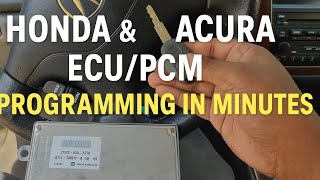
- Qualified Independent Shops & Locksmiths: Many independent mechanics and automotive locksmiths have professional-grade scan tools, such as those from Autel or Launch, that are capable of programming Honda ECMs and keys. They can perform the immobilizer relearn procedure to sync the new ECM with your existing keys. 🎬 Watch: How to program a Honda ECU in minutes
- Mail-In Programming Services: Some companies offer a service where you send them your original ECM and the replacement unit. They will clone the data from your old module to the new one, making the replacement unit plug-and-play when you receive it back. This can be a convenient option if you don't have local programming resources available.
Buying a Used 2009-2011 Civic ECM
A used OEM ECM is often a cost-effective and reliable solution compared to a brand-new unit. Here’s what to look for:
- Match the Part Number EXACTLY: This is the most critical step. Honda produced several ECM versions for this Civic. Your replacement ECM must have the exact same OEM part number as the one you are removing. Common part numbers for the 1.8L automatic transmission US-market models include 37820-RNA-A72, 37820-RNA-A73, 37820-RNA-A74, and the latest superseding number, 37820-RNA-A75.
- Verify Market Compatibility: As mentioned, double-check that you are buying a US-market ECM for a US-market car. Sellers of used parts should specify this in their listings.
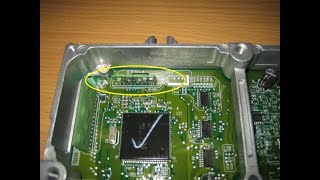
- Inspect for Physical Damage: When you receive the part, check the case for any signs of damage, like dents or cracks. Most importantly, inspect the connector pins. They should be straight, clean, and free of any corrosion. Bent or corroded pins can cause a host of problems.
- Source from a Reputable Seller: Buy from a seller that offers a warranty and a clear return policy. This protects you in case you receive a defective or incorrect part.
Cost Comparison
| Part Type | Estimated Cost |
|---|---|
| New OEM | $960 - $1400 |
| Remanufactured / Programmed | $400 - $500 |
| Used OEM | $40 - $150 |
| Shop Labor (Replacement & Programming) | $150 - $300 |
Frequently Asked Questions (FAQ)
Do I have to take my car to the dealer to program the new ECM?
Not necessarily. While a Honda dealer is a guaranteed option, many qualified independent auto repair shops and automotive locksmiths have advanced diagnostic tools that can program a replacement ECM to your vehicle. You can also use a mail-in service to clone your original ECM's data onto the replacement.
What is the difference between an ECM, ECU, and PCM?
ECM (Engine Control Module) and ECU (Engine Control Unit) are generally used interchangeably to refer to the computer that controls engine functions. PCM (Powertrain Control Module) is a term for a more integrated unit that controls both the engine and the transmission in a single module. For the 2009-2011 Civic, the terms are often used synonymously.
Where is the ECM located on a 2009-2011 Honda Civic?
The ECM is located in the engine bay, behind the battery tray.
Can I use an ECM from a Civic with a manual transmission in my automatic car?
No. The ECM is specific to the transmission type. You must use an ECM from a vehicle with the same type of transmission (automatic or manual) as yours.
Will a bad ECM cause my transmission to act up?
Yes, it's possible. Since the ECM communicates with the transmission control module (or controls the transmission directly in a PCM), a faulty ECM can cause shifting problems or trigger transmission-related warning lights.
Helpful Videos
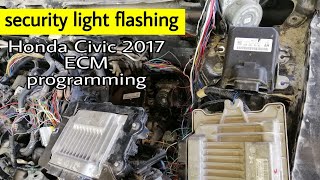
Technical Specifications
OEM Part Numbers: 37820-RNA-A71 37820-RNA-A72 37820-RNA-A73 37820-RNA-A74 37820-RNA-A75 37820-RNA-C72 37820-RNA-C73 37820-RNA-C74
Location: In the engine bay, behind the battery tray.
We Have This Part in Stock



The information in this article is provided for general reference and educational purposes only. Vehicle specifications, procedures, and part compatibility can vary by production date, trim level, and region. Always consult your vehicle's factory service manual and verify part numbers before purchasing or performing repairs. Safety-critical components such as airbags, seat belts, and braking systems should be installed by a qualified professional.
- Honda Civic:
- 🎬 Helpful Videos
- 🛍️ Shop This Part
- Symptoms of a Failing 2009-2011 Honda Civic ECM
- Known Issues, Recalls, and TSBs
- The Critical Canadian vs. U.S. Market ECM Difference
- Programming and Immobilizer Requirements
- Who Can Program a Replacement ECM?
- Buying a Used 2009-2011 Civic ECM
- Cost Comparison
- Frequently Asked Questions (FAQ)
- 🎟️ Get 5% Off