

2013 Honda Accord ECM: A Guide to Replacement, Programming, and Immobilizer Issues
This guide covers the essential steps for replacing the Engine Control Module (ECM) in your 2013 Honda Accord, with a focus on programming requirements and avoiding common problems.
- A replacement ECM for a 2013 Honda Accord absolutely must be programmed to the vehicle's immobilizer system, otherwise the car will not start.
- Part numbers must be matched exactly to ensure compatibility with your car's specific engine, transmission, and emissions system.
- Programming requires a professional diagnostic tool and can be performed by a Honda dealer, a qualified independent mechanic, or an automotive locksmith.
- Common symptoms of failure include a no-start condition, stalling, a persistent check engine light, and poor engine performance.
Symptoms of a Failing ECM

A faulty Engine Control Module can cause a wide range of problems, from subtle to severe. Because the ECM controls so many different systems, symptoms can sometimes be mistaken for other issues. However, if you experience several of the following, the ECM might be the culprit:
🎬 Watch: A breakdown of common symptoms of a bad ECM- Check Engine Light: This is the most common indicator. A persistent check engine light, especially with codes related to internal module failure, is a major red flag.
- Engine Will Not Start: The car may crank but fail to start. This can happen if the ECM isn't managing the fuel and spark correctly or if it has lost its programming with the immobilizer system.
- Stalling or Misfiring: The engine may stall unexpectedly while driving, run rough, or misfire. This can be due to incorrect signals being sent to the fuel injectors or ignition coils.
- Poor Performance and Fuel Economy: A sudden drop in gas mileage or a noticeable loss of power can occur if the ECM is not maintaining the correct air-fuel ratio.
- Communication Errors: A mechanic's diagnostic scan tool may be unable to communicate with the ECM, which is a strong sign of total failure.
- Erratic Transmission Shifting: In automatic models, the ECM works with the transmission controller. A bad ECM can lead to rough, delayed, or improper gear shifts.
Common trouble codes associated with ECM failure include internal processor errors like P1607 (ECM/PCM Internal Circuit Failure) and various communication or sensor circuit codes. It's important to note that many of these symptoms can also be caused by simpler issues like a bad sensor, so proper diagnosis is key.
Known Issues, Recalls, and Technical Service Bulletins (TSBs)

While there are no widespread recalls specifically for ECM failure on the 2013 Honda Accord, several TSBs and recalls involve reprogramming the module to fix other issues.
- NHTSA Recall 17V-418 (Battery Sensor): For 2013-2016 Accords, the battery management sensor case could let water in, causing an electrical short. While not an ECM recall, electrical issues can sometimes affect the ECM.
- NHTSA Recall 25V422000 (Driveshaft Corrosion): Affecting certain 2013 Accords sold or registered in salt-belt states, this recall addresses driveshafts that can corrode and break. This is a mechanical issue, unrelated to the ECM.
- TSB 19-034: For some 2013-2015 Accords with the 4-cylinder engine, a no-start condition with DTC P2101 (throttle system malfunction) could be caused by carbon buildup. The fix is a PGM-FI (Programmed Fuel Injection) software update for the ECM.
- TSB 13-053: Addresses a surge, hesitation, or judder on light acceleration in 2013 Accords with the L4 engine and CVT. The corrective action includes installing an updated transmission valve body kit and updating the PGM-FI software.
Important: A replacement ECM, whether new or used, MUST be programmed to the vehicle. The car will not start until this procedure is completed because the ECM is linked to the anti-theft immobilizer system.
Buying a Used Engine Control Module (ECM)

Purchasing a used OEM ECM is a cost-effective way to get your Accord back on the road, but careful selection is crucial. Here’s what to look for:
- Match the Part Number Exactly: This is the most important step. Honda uses many different ECMs for various engine, transmission, and emissions (Federal vs. California) configurations. The part number is printed clearly on the module's label. 🎬 See this video to find the exact PCM component location Using the wrong part number will result in incompatibility.
- Physical Inspection: Before buying, inspect the module for any signs of physical damage, such as a cracked case or bent connector pins. Check the connectors for any corrosion or evidence of water intrusion, which can destroy the internal circuits.
- Source Vehicle History: If possible, avoid ECMs from vehicles with flood or fire damage. These units may have hidden damage that will cause them to fail prematurely.
- Plan for Programming: Remember that the cost of the part is not the final cost. You must factor in the price of having the module programmed to your vehicle by a dealer or qualified shop.
Programming and Immobilizer Requirements

You cannot simply swap an ECM in a 2013 Honda Accord and expect it to work. The vehicle's immobilizer system, which prevents theft, requires the ECM, keys, and other components to be electronically synchronized.
- What is the process? A technician uses a specialized diagnostic tool, like the Honda Diagnostic System (HDS) or a capable aftermarket scanner, to perform a "Replace ECM/PCM" function. This procedure registers the new module to the car's immobilizer and writes the vehicle's VIN into the ECM. 🎬 Watch: How to program the immobilizer after an ECU swap
- Who can program it? A Honda dealership is always an option. However, many independent auto repair shops and professional automotive locksmiths have the necessary tools and subscriptions to perform this service, often at a lower cost.
- Can I do it myself? Without access to professional-grade diagnostic tools and software, DIY programming is not feasible for this vehicle. Some companies offer mail-in services where they clone the data from your old ECM to a replacement unit, which can then be plug-and-play. This only works if your original module is still able to communicate.
Pro Tip: When your car is at the shop for programming, have them make sure the ECM has the latest software version from Honda. This can resolve other underlying issues, as noted in several Technical Service Bulletins.
Cost Breakdown
The cost to replace the ECM can vary significantly based on the part source and labor rates. Programming is a required additional cost.
| Item | Estimated Cost |
|---|---|
| New OEM ECM | $870 - $1,290 |
| New Aftermarket ECM | $250 - $400 |
| Used OEM ECM | $50 - $200 |
| Remanufactured ECM | $450 - $550 (often includes programming service) |
| Shop Labor (Installation & Programming) | $150 - $350 |
Frequently Asked Questions (FAQ)
Can I drive my 2013 Accord with a bad ECM?
If the ECM failure results in a no-start condition, stalling, or severe performance issues, the vehicle is not safe or reliable to drive. Driving should be avoided until the module is replaced.
Will disconnecting the battery reset a faulty ECM?
No. While disconnecting the battery may clear some temporary trouble codes, it will not fix an internally failed ECM. The 2013 Accord uses non-volatile memory that retains critical data even without power, and a full reset requires a diagnostic tool.
Is an ECM the same as a PCM?
Yes, for the 2013 Accord, the terms Engine Control Module (ECM) and Powertrain Control Module (PCM) are used interchangeably. PCM is technically more accurate as the module controls both the engine and the transmission.
My mechanic says my used ECM won't communicate. What's wrong?
This could be due to several reasons. The used ECM could be faulty, it could be the wrong part number for your specific vehicle, or there could be a wiring issue (like a bad power or ground connection to the ECM) preventing communication. It's important to verify all fuses and connections before assuming the replacement ECM is bad.
Helpful Videos
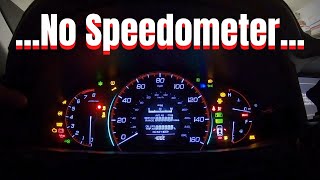

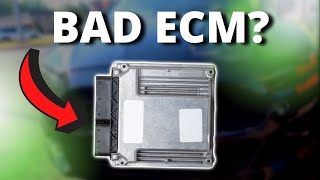

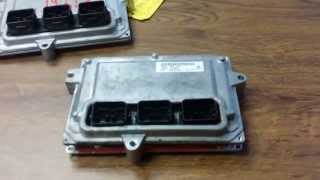
Technical Specifications
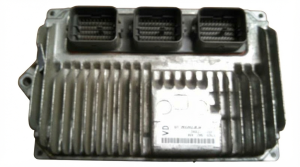
OEM Part Numbers: 37820 378205A2A52 378205A2A53 378205A2A55 378205A2A56 378205A2A57 378205A2A58 378205A2A59 378205A2A91 37820-5A2-A41 37820-5A3-L69 37820-5G0-A59
Module programming is required for VIN and immobilizer synchronization.
We Have This Part in Stock



The information in this article is provided for general reference and educational purposes only. Vehicle specifications, procedures, and part compatibility can vary by production date, trim level, and region. Always consult your vehicle's factory service manual and verify part numbers before purchasing or performing repairs. Safety-critical components such as airbags, seat belts, and braking systems should be installed by a qualified professional.
- Honda Accord: