

2004 Honda Accord ECM: Decoding Part Numbers and Immobilizer Programming
This guide explains why your 2004 Accord won't start after an ECM swap and how to correctly match and program a replacement module.
- Programming is not optional. A replacement ECM must be programmed to your car's immobilizer system by a dealer or a qualified locksmith to start the engine.
- The part number on the replacement ECM must EXACTLY match the one on your original unit to ensure compatibility with your engine, transmission, and emissions system.
- A common cause of failure is water damage from a clogged A/C drain hose. Inspect for and repair any leaks when replacing the ECM.
- A used ECM is a viable, low-cost part, but the total cost will include mandatory programming fees of $100-$250.
Symptoms of a Failing 2004 Honda Accord ECM

A failing ECM can cause a wide range of issues, from a simple check engine light to a car that won't start at all. Because the ECM controls so many systems, symptoms can sometimes be mistaken for other problems.
- Check Engine Light: This is the most common symptom. If the ECM detects a problem with itself or a system it controls, it will illuminate the check engine light. Codes specifically pointing to an internal module failure include P0603, P0606, and P0685.
- Engine Stalling or Misfiring: The engine may stall unexpectedly while driving or run rough at idle. This can happen if the ECM fails to send the correct signals for fuel and spark.
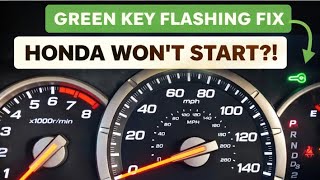
- No-Start Condition: You may turn the key and the engine cranks but refuses to start. A classic sign of an immobilizer issue after an ECM swap is a flashing green key icon on the dashboard. This means the ECM does not recognize your key.
- Poor Engine Performance: A faulty ECM can lead to a noticeable loss of power, hesitation during acceleration, and a sudden, unexplained drop in fuel economy.
- Automatic Transmission Problems: On models with an automatic transmission, you might experience harsh shifting, delayed engagement, or incorrect gear selection, as the ECM and transmission controller are integrated.
Known Issues, Recalls, and Technical Service Bulletins (TSBs)

While the ECM itself has not been subject to a recall, it is linked to other known problems on the 2004 Accord.
Common Failure Point: Water Damage from A/C Drain
A widely reported issue for this Accord generation is a clogged or improperly routed air conditioner condensation drain hose. The ECM is located in the center console area, directly in the path of this potential water leak. Over time, water can drip onto the module, causing corrosion and shorting out the internal circuits, leading to complete failure. When replacing a water-damaged ECM, it is critical to find and fix the source of the leak.
🎬 See how to clean the evaporator and prevent water damage.NHTSA Recall 04V176000: Automatic Transmission Second Gear
A major recall was issued for automatic transmission-equipped Accords due to a problem that could cause the second gear to fail, potentially leading to transmission lock-up. The fix involved inspecting the transmission and, on some vehicles, updating the PCM software to improve lubrication. This is important because transmission problems can sometimes present symptoms similar to ECM failure.
Relevant TSBs
- SB-06-041: Addresses an issue where the vehicle moves faster than expected after a cold start. The fix is a software update for the ECM.
- TSB #05034: Relates to dimming headlights or Diagnostic Trouble Code (DTC) P1298 being stored in the ECM/PCM.
Warning: Before condemning the ECM, it's crucial to rule out simpler issues. Problems with the main relay (PGM-FI relay), poor battery connections, or faulty ground wires can mimic ECM failure and even set a P0685 code.
Buying a Used 2004 Accord ECM: What You Must Know

Buying a used ECM is a cost-effective option, but it's not a simple plug-and-play swap. Understanding part numbers and programming is essential to avoid a part that will never work in your car.
1. Part Number Matching is Critical
You cannot use just any ECM from a 2004 Accord. The exact part number on your original module must be matched. Differences in the part number account for:
- Engine: 2.4L 4-Cylinder (RAA) vs. 3.0L V6 (RCA)
- Transmission: Automatic vs. Manual
- Emissions Standards: Federal (U-LEV) vs. California (PZEV/SULEV)
Using an ECM with the wrong part number can result in check engine lights, failed emissions tests, or the car not running at all. Always verify the number printed on your original ECM before purchasing a replacement.
2. The Immobilizer and Programming: The Biggest Hurdle
A replacement ECM absolutely must be programmed to your vehicle's immobilizer system. Your ignition keys contain a small transponder chip. The immobilizer control unit reads this chip and sends a signal to the ECM. If the codes don't match, the ECM will prevent the engine from starting. This is an anti-theft feature.
When you install a used ECM, it is still programmed to the donor car's keys and immobilizer. Your car will not start, and the green key light on the dash will flash. You have three main options to resolve this:
- Honda Dealership: A dealer can use the Honda Diagnostic System (HDS) to reprogram the replacement ECM to accept your existing keys. This is the most reliable, though often most expensive, option.
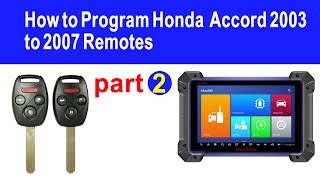
- Automotive Locksmith / Independent Shop: Many modern locksmiths and repair shops have advanced scan tools (like Autel MaxiIM) that can perform the immobilizer relearn procedure. This can be more affordable than the dealership.
- Mail-In Cloning Service: Some companies offer a service where you send both your original (faulty) ECM and the replacement ECM to them. They will transfer the immobilizer data and VIN from your old unit to the new one, making it a true "plug-and-play" part when you get it back.
Pro Tip: When purchasing a used ECM, physically inspect the case for any signs of being pried open and check the connector pins for corrosion or water damage. A clean, undamaged unit is a better bet.
Replacement Cost Breakdown
The cost to replace a 2004 Accord's ECM can vary dramatically based on the path you choose. The physical installation is simple, but programming is where the costs can add up.
| Item | Estimated Cost |
|---|---|
| New OEM (Dealer Part) | $700 - $2,000 |
| Remanufactured | $250 - $500 |
| Used OEM | $50 - $150 |
| Shop Labor (Physical Swap) | $60 - $90 |
| Shop Labor (Programming) | $100 - $250 (approx. 1-2 hours) |
| Total Dealer Replacement (New Part) | $900 - $2,200+ |
| Total Independent Shop (Used Part) | $200 - $500 |
Frequently Asked Questions (FAQ)
Do I have to go to a Honda dealer to program a new ECM?
No, not necessarily. While a Honda dealer is a guaranteed option, many qualified independent mechanics and automotive locksmiths have the professional scan tools required to perform the immobilizer key relearn procedure. Mail-in cloning services are also an option.
What's the difference between an ECM and a PCM?
For the 2004 Honda Accord, the terms are used interchangeably. The correct term is Powertrain Control Module (PCM) because it's a single unit that controls both the engine (Engine Control Module) and the automatic transmission (Transmission Control Module).
Why is the green key light flashing on my dashboard?
A flashing green key light indicates an immobilizer system fault. This almost always means the ECM does not recognize the transponder chip in your ignition key. This is the exact symptom you will see if you install a replacement ECM without programming it first.
🎬 Watch this video to understand why your green key light is flashing.Can I install the ECM myself to save money?
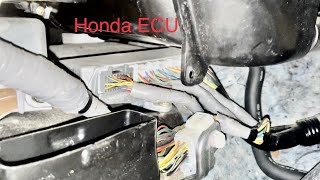
Yes, the physical installation is relatively easy for a DIYer. The ECM is located under the center console and can be accessed by removing side panels in the footwells. 🎬 Watch this video for a step-by-step guide on removing the module. However, the vehicle will not start after you install it. You will still need to have the vehicle towed to a dealer or arrange for a mobile technician to come to you to perform the final, mandatory programming.
Helpful Videos
Technical Specifications
OEM Part Numbers: 37820-RAA-A51 37820-RAA-A52 37820-RAA-A53 37820-RAA-A54 37820-RAA-A55 37820-RAA-A56 37820-RAA-A57 37820-RAA-A81 37820-RAA-A82 37820-RAA-A83 37820-RAA-305 37820-RAA-315 37820-RAA-A71 37820-RAA-A72 37820-RAA-A73 37820-RCA-A23 37820-RCA-A24 37820-RCA-L73
The ECM/PCM is located in the center console, accessible from the driver and passenger footwells. It integrates engine and transmission control functions.
We Have This Part in Stock



The information in this article is provided for general reference and educational purposes only. Vehicle specifications, procedures, and part compatibility can vary by production date, trim level, and region. Always consult your vehicle's factory service manual and verify part numbers before purchasing or performing repairs. Safety-critical components such as airbags, seat belts, and braking systems should be installed by a qualified professional.
- Honda Accord:
- 🎬 Helpful Videos
- 🛍️ Shop This Part
- Symptoms of a Failing 2004 Honda Accord ECM
- Known Issues, Recalls, and Technical Service Bulletins (TSBs)
- Common Failure Point: Water Damage from A/C Drain
- NHTSA Recall 04V176000: Automatic Transmission Second Gear
- Relevant TSBs
- Buying a Used 2004 Accord ECM: What You Must Know
- 1. Part Number Matching is Critical
- 2. The Immobilizer and Programming: The Biggest Hurdle
- Replacement Cost Breakdown
- Frequently Asked Questions (FAQ)
- 🎟️ Get 5% Off