

2000 Taurus & Sable ECM: DOHC vs. OHV, PATS Programming, and Replacement
This guide clarifies the critical differences between the two 3.0L engines in the 2000 Ford Taurus and Mercury Sable and explains the required anti-theft programming for a successful ECM replacement.
- You MUST correctly identify your engine. The 2000 Taurus/Sable used two different 3.0L V6s (OHV Vulcan and DOHC Duratec) whose ECMs are NOT interchangeable.
- This part requires programming. A replacement ECM must be programmed to the vehicle's PATS anti-theft system using a professional scan tool, or the car will not start.
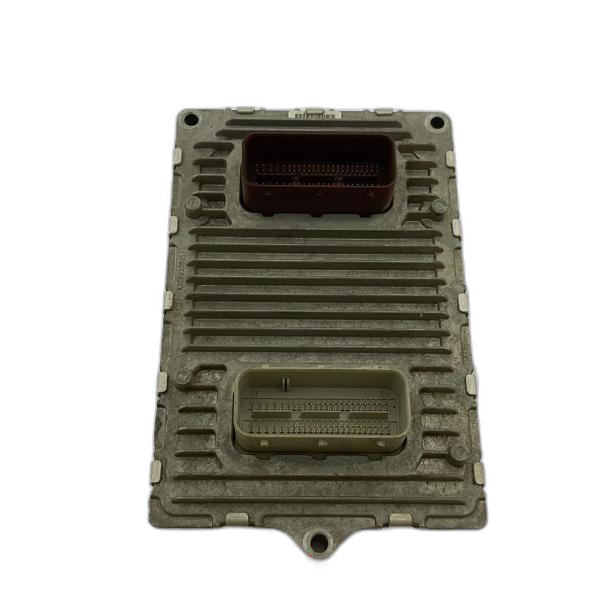
- The part number for this DOHC application is YU2F-12A650-AVC. Always match your part number exactly when buying a used replacement.
- Before replacing the ECM, check all battery connections and engine ground straps, as poor connections can mimic ECM failure symptoms.
Critical Warning: Two Different 3.0L Engines

Stop: Before buying an Engine Control Module (ECM) for a 2000 Ford Taurus or 2000 Mercury Sable, you must identify which 3.0L V6 engine your car has. They are not the same, and their ECMs are NOT interchangeable. Installing the wrong ECM will result in a no-start condition and can be a costly mistake.
The 2000 model year for the Taurus and Sable used two different V6 engines:
- 3.0L OHV "Vulcan" V6: This is the older, simpler pushrod engine. It was the standard engine in most trims. It has a cast iron block and heads.
- 3.0L DOHC "Duratec 24V" V6: This is the more modern, powerful engine with Dual Overhead Cams and 24 valves. It was optional on higher trim levels. It is all-aluminum and physically larger.
The part numbers listed in this guide, including YU2F-12A650-AVC, are for the 3.0L DOHC Duratec 24V engine ONLY.
How to Identify Your Engine
- Check the VIN: The 8th digit of your Vehicle Identification Number (VIN) indicates the engine. For the 2000 Taurus/Sable, a 'U' typically indicates the OHV Vulcan engine, while an 'S' indicates the DOHC Duratec engine. Always verify with a VIN decoder for certainty.
- Look at the Engine Cover: The DOHC engine often has a plastic engine cover that says "Duratec 24V". The OHV Vulcan engine bay looks more traditional, with a visible upper intake manifold that is relatively simple.
- Examine the Intake Manifold: The DOHC Duratec has a large, complex-looking intake manifold that covers the top of the engine. The OHV Vulcan's intake is simpler and sits between the two valve covers.
Symptoms of a Failing ECM

ECM failure can cause a wide range of confusing symptoms that can often be mistaken for other problems. Because the ECM controls so many systems, its failure can manifest in many ways.
- Check Engine Light: The most obvious sign. The ECM may set codes for internal failure (like P0600-P0605) or it may set codes for other sensors that are actually working fine, because the ECM itself is misinterpreting the data.
- Engine Stalling or No-Start: The car may crank but not start, or it may stall intermittently while driving. This can be due to the ECM failing to command spark or fuel.
- Poor Engine Performance: You might experience a sudden loss of power, hesitation during acceleration, rough idling, or engine misfires.
- Reduced Fuel Economy: If the ECM is not managing the air-fuel mixture correctly, you may see a sudden and significant drop in your gas mileage.
- Erratic Automatic Transmission Shifting: The ECM communicates with the transmission control module. A faulty ECM can send bad data, leading to harsh shifts, delayed shifts, or getting stuck in one gear.
Known Issues, TSBs, and Recalls
While there are no major recalls directly for the ECM on the 2000 Ford Taurus or Mercury Sable, there is a relevant Technical Service Bulletin (TSB) that technicians and DIYers should be aware of.
- TSB #14074: This bulletin, issued in March 2001, states that when replacing or reprogramming the Powertrain Control Module (PCM/ECM), information for the final drive ratio and tire revolutions-per-mile must be entered into the new module. Failure to do this can result in incorrect speedometer readings and improper transmission shift points.
- Recalls: The 2000 Taurus and Sable have several recalls for issues like front coil springs in high-corrosion areas, a faulty brake light switch, and wiper motor malfunctions. None of these directly involve the ECM, but it's wise to check if your vehicle has any open recalls that need to be addressed.
Programming and Anti-Theft (PATS) Requirements

Important: You cannot simply swap an ECM in a 2000 Ford Taurus or Mercury Sable. The vehicle will not start. The replacement module must be programmed to your vehicle's anti-theft system.
These vehicles are equipped with Ford's Passive Anti-Theft System (PATS). The ECM, ignition keys (which contain a transponder chip), and the instrument cluster are all linked. If you install a new ECM, it will not recognize your existing keys, and the PATS system will disable the engine.
What is Required?
To install a replacement ECM, a procedure called a "Parameter Reset" must be performed. This tells the vehicle's security modules to accept the new ECM. After the reset, your keys must be relearned to the new module. This entire process requires:
- A professional-grade bidirectional scan tool (like those made by Snap-on, Autel, or the Ford factory IDS). A basic OBD-II code reader cannot perform this function.
- At least two working, programmed keys. If you only have one key, you will need to have a second one made and programmed during the procedure.
Your Options for Programming:
- Ford Dealership: The most straightforward, but often most expensive, option. They have the correct tools and procedures.
- Automotive Locksmith or Independent Shop: Many locksmiths and some independent repair shops have the necessary scan tools to perform the PATS parameter reset and key relearn. Always call ahead to confirm they can service a 2000 Ford PATS system.
- Mail-In Programming Service: Some vendors offer services where you buy a used ECM from them and also send in your original module. They will clone the security data from your old ECM to the replacement. When you receive the cloned unit, it is truly "plug and play" and will work with your existing keys without any further programming.
- Pre-Programmed Unit with New Keys: Other vendors will program a replacement ECM to your car's VIN and ship it with a new set of pre-programmed keys. You will then need to have those new keys physically cut to match your car's ignition by a local hardware store or locksmith.
Pro Tip: Before condemning your ECM, ensure all battery connections and engine ground points are clean and tight. A bad ground can mimic the symptoms of a failed ECM.
Step-by-Step Replacement Guide

Physically replacing the ECM is a relatively simple job. The difficulty lies entirely in the required programming.
- Disconnect the Battery: Always disconnect the negative battery terminal before working on any electronic components.
- Locate the ECM: Open the hood. The ECM is a silver rectangular box located on the passenger side of the firewall, under the black plastic cowl panel at the base of the windshield.
- Disconnect the Harness: From the engine bay, you will see the main wiring harness plugging into the ECM. There is a single 10mm bolt in the center of the connector. Loosen this bolt completely (it will stay in the connector) and wiggle the harness connector free from the ECM.
- Access from the Interior: Move to the passenger side footwell. You will need to remove the plastic trim panel(s) above the passenger's feet to gain access to the back of the firewall.
- Remove the ECM: The ECM is held in a bracket by two or three nuts. Remove these nuts, and the ECM will slide out from the engine bay side.
- Installation: Installation is the reverse of removal. Slide the new module into place, secure it with the nuts from inside the cabin, and reconnect the main harness from the engine bay. Do not overtighten the 10mm harness bolt. Reconnect the battery.
- Programming: At this point, the vehicle will not start. Proceed with your chosen programming option (dealer, locksmith, etc.).
Buying a Used Engine Control Module (ECM)

A used OEM ECM is often a reliable and cost-effective solution, especially compared to a new unit from the dealer. Here's what to look for:
- Match the Part Number EXACTLY: This is the most important rule. Find the part number on your original ECM and buy one with the identical number. While some numbers may interchange, sticking to an exact match is the safest way to ensure compatibility. The primary part number for this DOHC application is YU2F-12A650-AVC.
- Verify the Engine: Double-check that the donor vehicle had the same 3.0L DOHC Duratec engine as your car. Do not trust a listing that just says "3.0L V6".
- Inspect for Damage: When you receive the part, inspect the case for any signs of physical damage or being pried open. Check the connector pins to ensure none are bent, broken, or corroded.
- Factor in Programming Costs: Remember that the price of the used module is not your final cost. You must budget for programming, whether it's paying a locksmith or using a mail-in service.
- Why Used OEM is a Good Choice: For a vehicle of this age, a used OEM module that has been tested is often a better choice than a new aftermarket part. The OEM unit was designed specifically for the vehicle's hardware and software, ensuring proper function of all systems once programmed correctly.
Cost Breakdown
Here is an estimated cost comparison for replacing the ECM on a 2000 Ford Taurus or Mercury Sable. Prices can vary based on location and availability.
| Item | Estimated Cost | Notes |
|---|---|---|
| New OEM ECM | $800 - $1,100+ | Purchased from a Ford dealership. May be difficult to find for a vehicle this old. |
| Remanufactured ECM | $250 - $400 | From online vendors. Often includes programming to your VIN. |
| Used OEM ECM | $50 - $125 | From a salvage yard or online marketplace like eBay. Requires separate programming. |
| Shop Labor (Physical Swap) | $100 - $175 | For the physical removal and installation only. |
| Shop Labor (Programming) | $100 - $250 | Cost for a dealer or locksmith to perform the PATS parameter reset and key relearn. |
Frequently Asked Questions (FAQ)
Can I replace the ECM myself?
Yes, the physical replacement is a straightforward DIY job that requires basic tools and should take less than an hour. However, you cannot complete the job without getting the replacement ECM professionally programmed to your vehicle's anti-theft system.
Will my car start after I install the new ECM?
No. After you install a replacement ECM, the car will crank but will not start due to the PATS anti-theft system. You must have the module programmed to your vehicle and keys.
What's the difference between an ECM, PCM, and ECU?
For this vehicle, the terms are used interchangeably. ECM (Engine Control Module), ECU (Engine Control Unit), and PCM (Powertrain Control Module) all refer to the same computer that controls the engine and transmission.
My mechanic says my ECM is bad. What should I check first?
Before spending money on a replacement, check the simple things. Ensure the battery is fully charged and the terminals are clean. Inspect all engine ground straps for tightness and corrosion. A bad ground or low voltage can cause symptoms that mimic a faulty ECM.
I found a cheaper ECM from a Ford Windstar with a 3.0L engine. Will it work?
No. Even if the engine is the same, the ECM's programming is specific to the vehicle model, its features, its weight, and its transmission. You must use an ECM with a part number that is specified for a 2000 Ford Taurus or Mercury Sable with the DOHC engine.
Technical Specifications
OEM Part Numbers: YU2F-12A650-AVC YU2F-AVC YU2F12A650AVC YU2FAVC YU2Z-12A650-AVC YU2Z12A650AVC
For 2000 Ford Taurus / Mercury Sable with 3.0L DOHC 24-Valve Duratec V6 engine.
We Have This Part in Stock


The information in this article is provided for general reference and educational purposes only. Vehicle specifications, procedures, and part compatibility can vary by production date, trim level, and region. Always consult your vehicle's factory service manual and verify part numbers before purchasing or performing repairs. Safety-critical components such as airbags, seat belts, and braking systems should be installed by a qualified professional.
- Ford Taurus:
- Mercury Sable:
- 🛍️ Shop This Part
- Critical Warning: Two Different 3.0L Engines
- How to Identify Your Engine
- Symptoms of a Failing ECM
- Known Issues, TSBs, and Recalls
- Programming and Anti-Theft (PATS) Requirements
- What is Required?
- Your Options for Programming:
- Step-by-Step Replacement Guide
- Buying a Used Engine Control Module (ECM)
- Cost Breakdown
- Frequently Asked Questions (FAQ)
- 🎟️ Get 5% Off