

2010-2012 Ford Taurus ECM Failure: A Guide to Programming, Symptoms, and Replacement
This in-depth guide covers the mandatory programming, common failure symptoms, and costs associated with replacing the engine computer in your 2010-2012 Ford Taurus.
- Programming is not optional. A replacement PCM must be programmed to your car's VIN and keys using special tools, otherwise the engine will not start.
- This PCM is only for the 3.5L naturally aspirated engine. It is not compatible with the 3.5L twin-turbo SHO model.
- Stalling issues can also be caused by a faulty electronic throttle body, which can be misdiagnosed as a PCM failure.
- Part numbers ending in 'RA' are a later revision and generally replace earlier versions ending in 'DE', 'DF', or 'DG'.
What is an ECM, and Why is it Called a PCM on a Ford?

While many people use the term Engine Control Module (ECM), Ford generally uses the term Powertrain Control Module (PCM) for this part. That's because this single module controls both the engine's functions and the automatic transmission's shifting logic. For the purposes of this guide, the terms ECM and PCM refer to the same part: the main engine computer.
Critical Compatibility Warning: This guide and the part numbers listed apply ONLY to the 2010-2012 Ford Taurus equipped with the naturally aspirated 3.5L V6 engine. This ECM/PCM will NOT work with the high-performance SHO model, which uses a 3.5L twin-turbo (EcoBoost) engine and a different, incompatible computer.
Symptoms of a Failing ECM in a 2010-2012 Ford Taurus

A failing PCM can cause a wide range of confusing symptoms. Because the PCM controls so many different systems, its failure can mimic other problems. Here are the most common signs that the PCM itself may be at fault:
- Complete No-Start or Crank-No-Start: The engine may turn over (crank) but will not fire up, or it may not crank at all. This is one of the most definitive signs of a total PCM failure. 🎬 Watch: How to tell if your PCM or starter is bad
- Engine Stalling or Stuttering: The engine may stall unexpectedly while driving, especially when coming to a stop. It can also stutter or hesitate during acceleration.
- Erratic Transmission Shifting: Since the PCM also controls the transmission, you may experience harsh shifts, delayed engagement, or the transmission getting stuck in one gear.
- Multiple Unrelated Warning Lights: A faulty PCM can cause the Check Engine Light, ABS light, and Traction Control light to illuminate, sometimes all at once.
- Persistent Check Engine Light with PCM-Specific Codes: If the Check Engine Light stays on and you have codes in the P0600-P060A range, it points directly to an internal module fault.
- Drastic Decrease in Fuel Economy: If the PCM can no longer properly manage the air-fuel ratio, your gas mileage can suddenly get much worse.
Common Trouble Codes (DTCs)
Using an OBD-II scanner can help pinpoint the issue. Codes specifically related to internal PCM failure are the strongest evidence:
- P0600 - P0605: These codes indicate various internal communication and memory errors within the control module itself, such as "Internal Control Module Read Only Memory (ROM) Error" (P0605).
- P0351 - P0356: These codes point to faults in the ignition coil driver circuits. On these Fords, a failing ignition coil can short out and send a voltage spike back to the PCM, damaging the internal driver for that cylinder. If you have one of these codes and a new ignition coil doesn't fix it, the PCM is likely damaged. 🎬 See how a misfire can be caused by a faulty PCM
- U-Codes (e.g., U0100): Network communication codes, such as U0100 (Lost Communication With ECM/PCM), can indicate that the module is no longer communicating with other computers in the vehicle.
Known Issues, Recalls, and Misdiagnosis

As of early 2026, there are no specific recalls for the PCM on the 2010-2012 Ford Taurus. However, many owners have reported stalling issues that are sometimes caused by a faulty Electronic Throttle Body. The symptoms of a failing throttle body—stalling, reduced power, and a wrench light on the dash—can be very similar to a PCM failure. It is wise to investigate or rule out the throttle body before condemning the expensive PCM.
The Most Important Step: PCM Programming & Anti-Theft

You cannot simply swap a used or new PCM into your Taurus and expect it to work. The vehicle will not start. This is because the PCM is a central part of Ford's Passive Anti-Theft System (PATS). The replacement module must be electronically programmed to your car's specific Vehicle Identification Number (VIN) and its security information must be synchronized with your existing keys.
🎬 Watch: Understanding the Ford PATS key relearn procedureWarning: After installing a replacement PCM, the engine will not start until the PATS system is reprogrammed. You cannot drive the vehicle to a shop for programming; the programming must be done on-site after the part is installed.
Who Can Program a Replacement PCM?
- Ford Dealerships: This is the most reliable, albeit often most expensive, option. They have the proprietary Ford IDS software required to perform the programming and key relearn procedure.
- Independent Repair Shops: Many professional shops have high-end bidirectional scan tools (from brands like Autel or Snap-on) that have the capability to perform the PATS "parameter reset" and key relearn functions.
- Automotive Locksmiths: Locksmiths who specialize in modern car keys often have the same advanced tools as repair shops and can program the PCM and keys.
- Mail-In Services: Some companies offer to program a replacement PCM to your VIN before shipping it to you. While this can sometimes work, a final PATS key relearn procedure with a scan tool may still be required once the part is installed in the car.
Buying a Used Engine Control Module: A Smart Buyer's Checklist
A used OEM PCM is a cost-effective and reliable alternative to an expensive new unit, provided you buy the correct part and have it programmed. Here’s what to look for:
- Verify the Part Number: Match the part number on your original PCM exactly. The primary part number will be in the format AG1A-12A650-XX. The last two letters (e.g., DE, DF, DG, RA) indicate revisions. Later revisions, like 'RA', often supersede earlier ones and are generally interchangeable. Always confirm with the seller.
- Physical Inspection: When you receive the used module, inspect it carefully. Look for any signs of corrosion on the case or pins, bent pins, or evidence that the case has been pried open. Do not install a unit that shows signs of water damage or physical abuse.
- Source from a Reputable Seller: Purchase from a recycled parts seller who offers a warranty. This protects you in case the unit is faulty, as even a good-looking used PCM can have internal electronic issues.
- Factor in Programming Costs: Remember that the price of the used part is not the final cost. Call local shops or locksmiths beforehand to get a quote for programming a replacement PCM so you know the total investment required.
Estimated Replacement Costs
Prices can vary significantly based on your location and the chosen repair route. Programming is a separate cost from the physical installation labor.
| Part or Service | Estimated Cost |
|---|---|
| New OEM PCM (Part Only) | $800 - $1,000 |
| Remanufactured PCM (Part Only) | $200 - $500 |
| Used OEM PCM (Part Only) | $75 - $200 |
| Shop Labor (Physical Swap) | $115 - $170 |
| Shop Labor (Programming) | $150 - $350 |
Frequently Asked Questions (FAQ)
Can I install the PCM myself and then drive it to the dealer?
No. Once you install the replacement PCM, the car's anti-theft system will activate, and the engine will not start. The vehicle will need to be towed to a facility for programming, or you will need a mobile mechanic or locksmith to come to you.
Do I need to have my original keys to program a new PCM?
Yes. The PATS programming procedure requires a minimum of two working, non-cloned keys to successfully sync with the new module. If you only have one key, you will need to have a second key cut and programmed at the same time.
Will a PCM from a junkyard work?
Yes, a used PCM from a salvage vehicle can work perfectly, provided it is the correct part number for your vehicle and it is properly programmed by a qualified technician. Ensure it comes from a vehicle with the same 3.5L naturally aspirated engine.
Does the mileage of the donor car matter for the PCM?
No, the mileage of the vehicle the PCM came from does not matter. The mileage information is stored in the instrument cluster, not the PCM. The PCM only needs to be programmed with your vehicle's VIN and key information to function correctly.
Helpful Videos

Technical Specifications
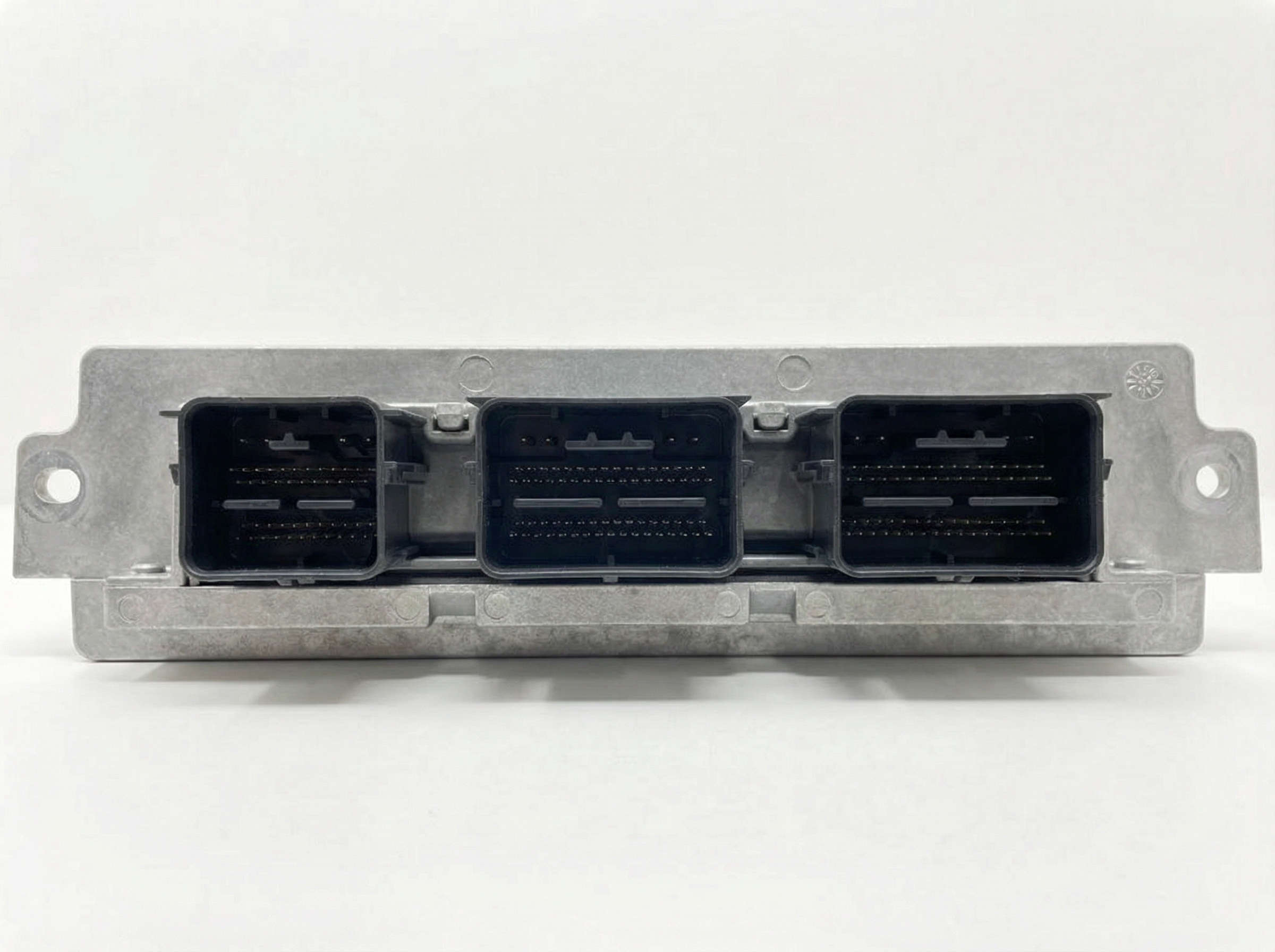
OEM Part Numbers: AG1A12A650DE AG1A12A650DF AG1A12A650DG AG1A12A650RA AG1ADE AG1ADF AG1ADG AG1ARA AG1Z12A650RA
The part number AG1Z-12A650-RA is a service replacement that supersedes earlier versions like AG1Z-12A650-DE, AG1Z-12A650-DF, and AG1Z-12A650-DG.
We Have This Part in Stock


The information in this article is provided for general reference and educational purposes only. Vehicle specifications, procedures, and part compatibility can vary by production date, trim level, and region. Always consult your vehicle's factory service manual and verify part numbers before purchasing or performing repairs. Safety-critical components such as airbags, seat belts, and braking systems should be installed by a qualified professional.
- Ford Taurus:
- 🎬 Helpful Videos
- 🛍️ Shop This Part
- What is an ECM, and Why is it Called a PCM on a Ford?
- Symptoms of a Failing ECM in a 2010-2012 Ford Taurus
- Common Trouble Codes (DTCs)
- Known Issues, Recalls, and Misdiagnosis
- The Most Important Step: PCM Programming & Anti-Theft
- Who Can Program a Replacement PCM?
- Buying a Used Engine Control Module: A Smart Buyer's Checklist
- Estimated Replacement Costs
- Frequently Asked Questions (FAQ)
- 🎟️ Get 5% Off