

2004 Ford Ranger & Mazda B2300 ECM: Solving Failure, Programming, and No-Start Issues
This guide covers the common failure symptoms, replacement costs, and critical anti-theft programming requirements for the Engine Control Module in your 2004 Ford Ranger or Mazda B2300.
- This ECM is NOT plug-and-play. It requires programming to the vehicle's PATS anti-theft system to start the engine.
- Programming must be done by a Ford/Mazda dealer, a well-equipped automotive locksmith, or an independent shop with the correct scan tools.
- When buying a used ECM, you must match the OEM part number from your original unit to ensure compatibility.
- Common failure symptoms include a no-start condition, intermittent stalling, poor performance, and a persistent check engine light.
Symptoms of a Failing ECM
A faulty Engine Control Module can cause a wide variety of symptoms, which can sometimes be mistaken for other issues like bad sensors or fuel system problems. Diagnosing an ECM should often be a process of elimination after checking more common failure points. Here are the most common signs of ECM failure in the 2004 Ford Ranger and Mazda B2300:
- Check Engine Light: An illuminated Check Engine Light is one of the most common symptoms. You may see generic ECM/PCM failure codes like P0600-P0609, or a cascade of seemingly unrelated sensor and system codes.
- Engine Will Not Start: This can manifest as a "crank, no-start" condition, where the engine turns over but never fires up. This happens because the ECM is not correctly commanding the fuel injectors or ignition coils to fire. In some cases, if the ECM's anti-theft function is not satisfied, it may prevent the starter from engaging at all.
- Engine Stalling: The engine may stall unexpectedly, either while driving or at an idle. This can be intermittent and is a serious safety concern.
- Poor Engine Performance: You might notice a significant loss of power, hesitation during acceleration, rough idling, engine misfires, or stuttering. 🎬 Watch: Diagnosing a persistent engine misfire caused by a bad PCM
- Erratic Shifting or Transmission Issues: The ECM communicates with the transmission to control shift points. A faulty module can cause hard shifting, delayed shifts, or other unusual automatic transmission behavior. A forum user with a 2004 Ranger noted that a flashing "O/D" (overdrive) light and hard shifts were related to their PCM issues.
- Poor Fuel Economy: If the ECM is not managing the air-fuel mixture correctly, you may see a sudden and significant drop in gas mileage.
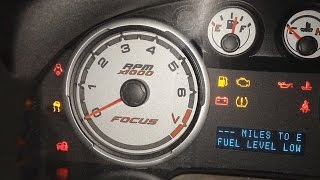
- Intermittent Electrical or Gauge Issues: Some owners have reported intermittent failure of the instrument cluster gauges (speedometer, tachometer) that was traced back to a faulty PCM or its wiring connections.
Known Issues, TSBs, and Recalls
As of early 2026, there are no specific recalls or Technical Service Bulletins (TSBs) issued by Ford, Mazda, or the NHTSA for the Engine Control Module itself on the 2004 Ford Ranger or Mazda B2300.
However, both vehicles were subject to major recalls for defective Takata airbag inflators, which can rupture and cause serious injury. While unrelated to the ECM, it is critical to ensure this safety recall has been performed on your truck. You can check your vehicle's VIN on the NHTSA website for open recalls.
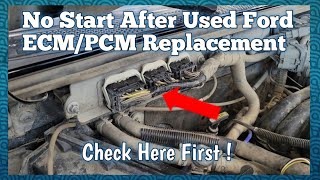
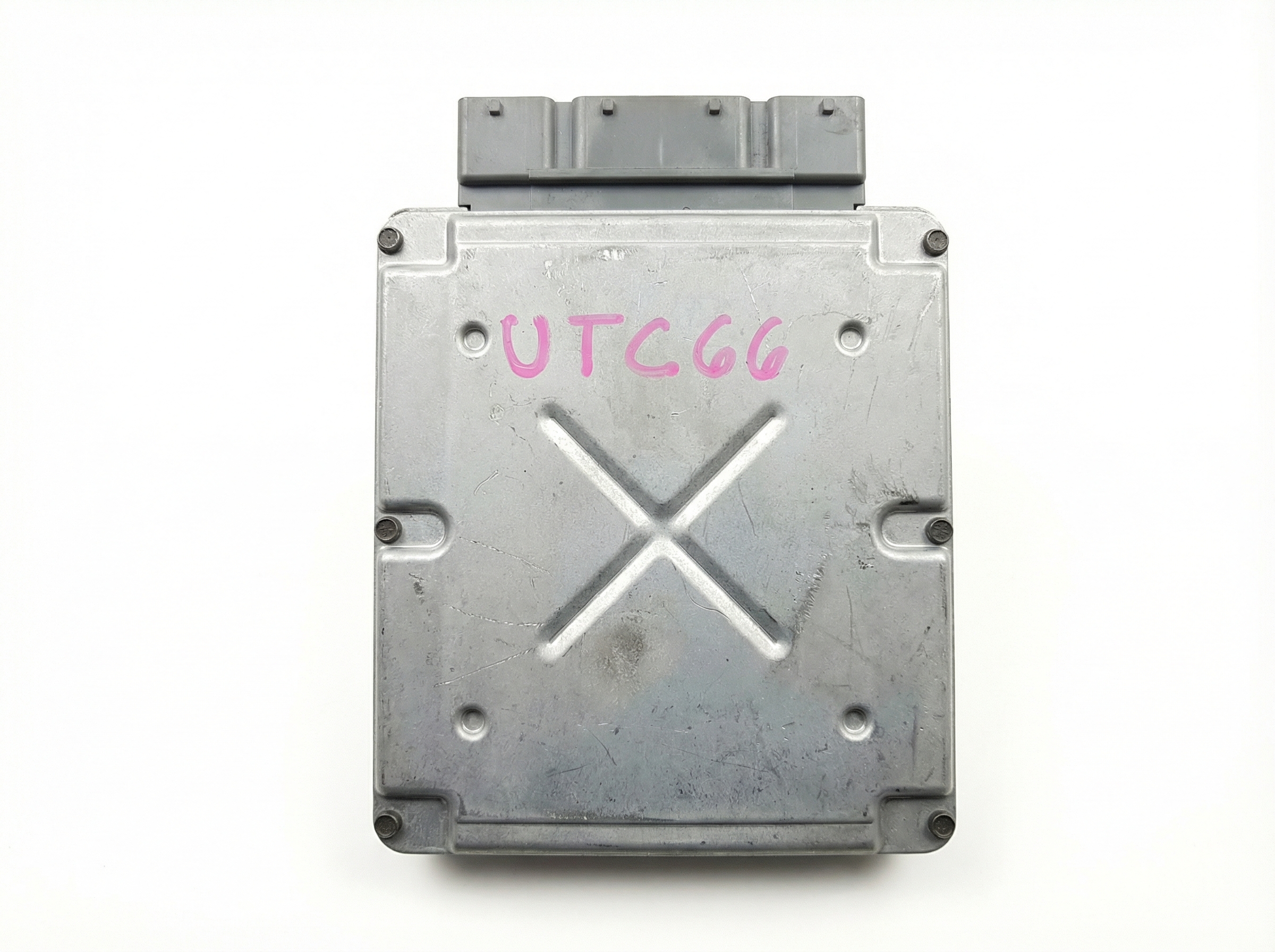
Pro Tip: The ECM is located in the engine bay, on the passenger-side firewall. It's a silver metal box with a large multi-pin electrical connector. Replacement is mechanically simple, requiring you to disconnect the battery and unbolt the connector and module. 🎬 Watch: Step-by-step guide to removing and installing the PCM The challenge is not the physical swap, but the electronic programming that must follow.
Programming and Anti-Theft Requirements
This is the single most important factor to understand when replacing the ECM in a 2004 Ford Ranger or Mazda B2300. This module is NOT plug-and-play.
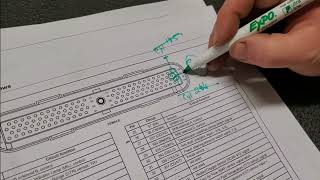
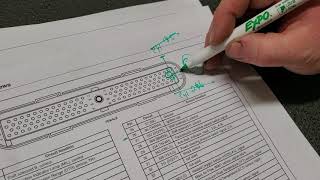
These trucks are equipped with Ford's Passive Anti-Theft System (PATS). The ECM, instrument cluster, and your ignition keys (which contain a transponder chip) are all linked together. If you install a new or used ECM, the PATS system will not recognize it, and the truck will not start until a programming procedure is completed.
🎬 See how to identify common Ford PATS anti-theft system malfunctionsWho Can Program a Replacement ECM?
- Ford or Mazda Dealership: A dealership can always perform the necessary programming.
- Automotive Locksmith: Many well-equipped automotive locksmiths have the tools and software to perform a "parameter reset" and program new keys to the replacement module.
- Independent Repair Shops: A shop that has invested in a professional-grade scan tool like the Ford IDS or a J2534 pass-through device can also perform the programming.
The process typically involves a 10-minute security access wait, followed by erasing the old key data and programming at least two separate keys to the new module.
Warning: You must have at least two working, separate (not cloned) transponder keys to complete the programming procedure. If you only have one key, you will need to have a second one cut and programmed at the same time.
Buying a Used Engine Control Module
A used OEM module is often a reliable and cost-effective alternative to an expensive new unit. Because these modules are purely electronic with no moving parts, a unit from a low-mileage, collision-damaged vehicle is typically a safe bet. Here’s what to look for:
- Match the Part Number: This is critical. While many part numbers may interchange, the safest approach is to match the OEM part number from your original module exactly. Common part numbers for the 2004 Ranger/B2300 2.3L engine include those starting with 4L5A-12A650-xx and 4U7A-12A650-xx. Always verify the number on your specific unit before ordering.
- Inspect for Damage: Check the connectors for any bent or corroded pins. Look at the case for signs of water intrusion, fire damage, or physical impact. Do not buy a module with any visible damage.
- VIN Programming Services: Many online sellers of used and remanufactured ECMs offer to pre-program the module with your vehicle's VIN. This can simplify the process, but you will still likely need a locksmith or dealer to perform the final key relearn procedure once the part is installed in your truck. Some sellers even offer a package that includes two new keys already programmed to the module.
Estimated Replacement Cost
The cost to replace the ECM can vary significantly based on the part source and labor for programming.
| Item | Estimated Cost |
|---|---|
| New OEM Part | $980 - $1,100 |
| New Aftermarket Part | $300 - $500 |
| Remanufactured Part | $200 - $400 |
| Used OEM Part | $75 - $250 |
| Shop Labor (Installation & Programming) | $100 - $250 |
Frequently Asked Questions (FAQ)
Do I have to take my truck to the dealer to program a new ECM?
No, you are not required to go to a dealer. Many independent auto repair shops and most automotive locksmiths have the necessary scan tools to program the ECM and keys for your 2004 Ranger or B2300. However, you should always call ahead to confirm they have the capability for Ford PATS programming.
Can I install the ECM myself and drive it to a shop for programming?
No. After you install the replacement ECM, the engine will not start due to the PATS anti-theft system. The vehicle will need to be towed to the shop for programming, or you will need to arrange for a mobile locksmith or mechanic to come to you.
Does the VIN on the used ECM need to match my truck?
No, the VIN on the donor module does not need to match. The programming process involves flashing your vehicle's VIN and security information onto the replacement module. The most important thing is to match the hardware part number from your original ECM.
What's the difference between an ECM, PCM, and ECU?
The terms are often used interchangeably. ECU (Engine Control Unit) is a generic term. ECM (Engine Control Module) typically refers to a computer that only controls engine functions. PCM (Powertrain Control Module) controls both the engine and the transmission. For the 2004 Ford Ranger and Mazda B2300, the correct term is PCM, but it is commonly referred to as an ECM or ECU by sellers and mechanics.
Helpful Videos
Technical Specifications
OEM Part Numbers: 1F9018881B 4L5A-BJB 4L5A12A650AGB 4L5AAGB 4U7A12A650BAA 4U7ABAA 4U7Z12A650BAB 4U7ZBAB 4L5A-12A650-AJA 4L5A-12A650-AGB 4L5A-12A650-BCA
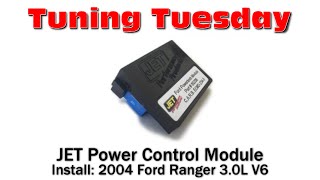
The module controls engine and transmission functions and integrates with the Passive Anti-Theft System (PATS).
We Have This Part in Stock

The information in this article is provided for general reference and educational purposes only. Vehicle specifications, procedures, and part compatibility can vary by production date, trim level, and region. Always consult your vehicle's factory service manual and verify part numbers before purchasing or performing repairs. Safety-critical components such as airbags, seat belts, and braking systems should be installed by a qualified professional.
- Ford Ranger:
- Mazda B2300: