

2007-2011 Ford Ranger 4.0L ECM: A Guide to Part Numbers, PATS, and Programming
This guide covers common failure symptoms, critical part number matching, and the required anti-theft programming for the 2007-2011 Ford Ranger 4.0L Engine Control Module.
- A replacement ECM absolutely requires programming to the vehicle's anti-theft system (PATS); the truck will not start without this step.
- The engineering part number on the replacement module (e.g., 7L5A-12A650-BFE) must be an exact match to your original part.
- This specific ECM fits 2007-2011 Ford Rangers with the 4.0L V6 engine, an automatic transmission, and Federal emissions ONLY.
- Common failure symptoms include a no-start condition, intermittent stalling, and a Check Engine Light with internal processor fault codes.
Symptoms of a Failing 2007-2011 Ford Ranger ECM


A failing Engine Control Module can cause a wide range of confusing and intermittent issues. Because the ECM controls so many different systems, symptoms can vary depending on which internal circuit has failed. Often, an ECM is replaced when it is not the root cause of the problem, so a thorough diagnosis is critical.
- No-Start Condition: The engine may crank over but will not start. This is one of the most common symptoms, as the ECM controls both fuel and spark delivery. A failed ECM can also cause a no-crank, no-start condition if the anti-theft circuit is affected.
- Engine Performance Problems: A faulty ECM can lead to stalling, engine misfires, rough idling, surging, and poor acceleration. 🎬 Watch: Diagnosing engine misfires caused by a faulty PCM driver. You might notice the engine cuts out, then resumes running once it returns to idle.
- Check Engine Light: An illuminated Check Engine Light is a common indicator. Specific codes pointing to internal module failure include the P0600 series (e.g., P0603 Internal Control Module Keep Alive Memory Error). However, a bad ECM can also cause a flood of seemingly unrelated sensor or communication codes.
- Intermittent Instrument Cluster Failure: In some cases, the entire instrument cluster (speedometer, tachometer, etc.) may stop working intermittently. This can be followed by a no-start condition with a blinking security light. 🎬 See how to identify common Ford PATS security system malfunctions.
- Poor Fuel Economy: A sudden and significant drop in gas mileage can indicate that the ECM is no longer calculating the correct air-fuel mixture, often causing the engine to run too rich.
- Erratic Transmission Shifting: For automatic transmissions, the ECM plays a key role in determining shift points. Hard or irregular shifting can sometimes be traced back to a faulty module sending incorrect data.
Known Issues, TSBs, and Recalls

While the 2007-2011 Ford Ranger was subject to several safety recalls, none were issued specifically for the Engine Control Module. The most prominent recalls for this generation involved the replacement of Takata airbag inflators and, on some 2011 models, a faulty brake light switch. The ECM in these trucks is not known for a high rate of recall-level defects.
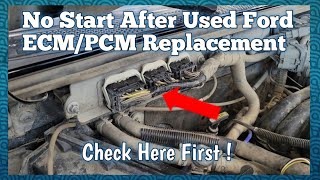
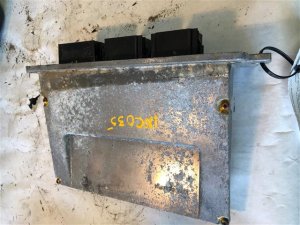
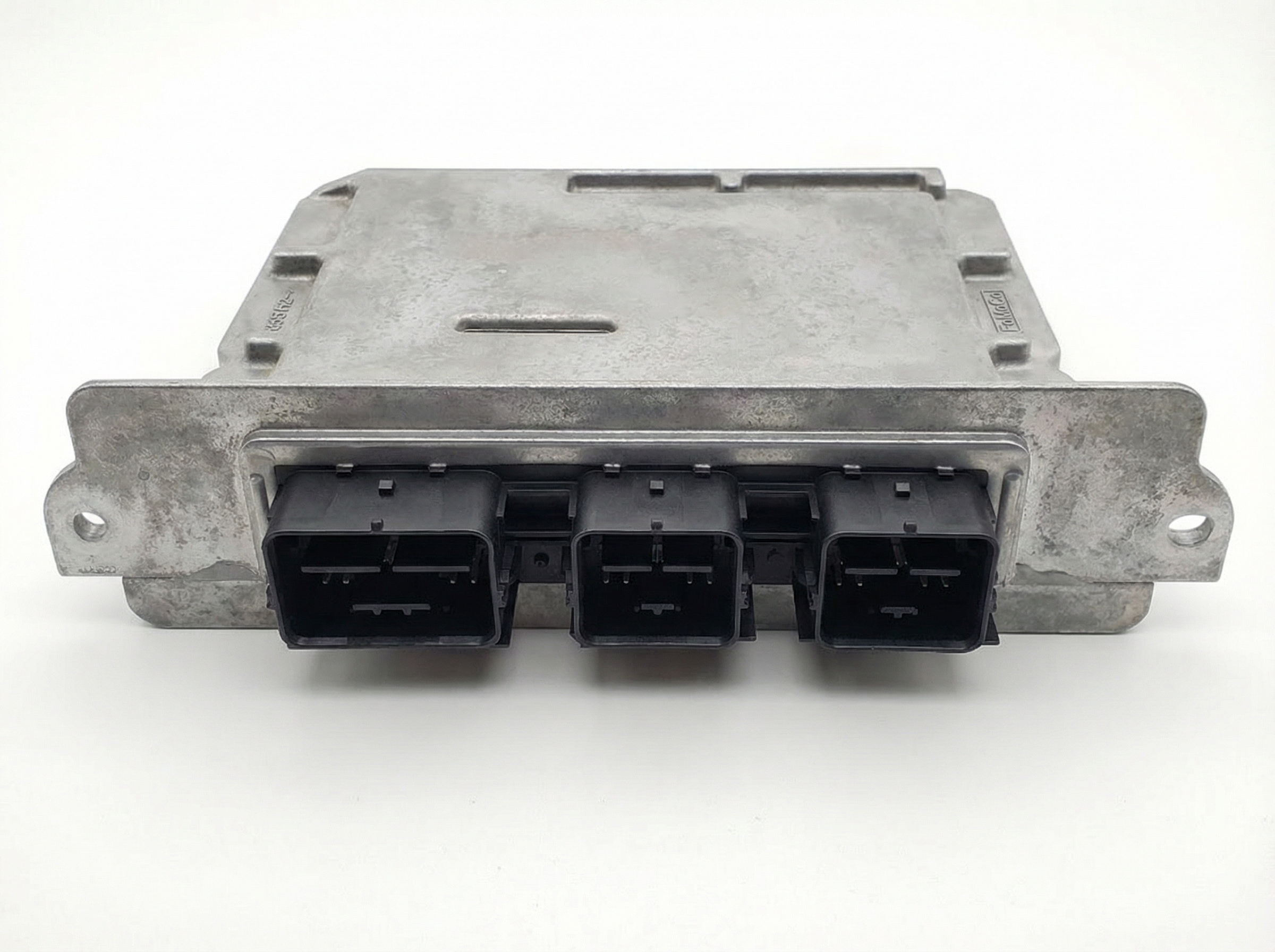
Pro Tip: The ECM is located in the engine bay, on the passenger side firewall. It is a silver metal box with three large wiring harness connectors.
Programming and Anti-Theft (PATS) Requirements

This is the single most important factor to understand when replacing the ECM in a 2007-2011 Ford Ranger. You cannot simply swap the module. The vehicle will not start until the replacement ECM is programmed to your specific vehicle.
🎬 Watch: Why your Ranger won't start after replacing the ECM.This is because the ECM is a key component of Ford’s Passive Anti-Theft System (PATS). The PATS system works by ensuring the ECM, the ignition key (which has a transponder chip inside), and a transceiver module in the steering column all recognize each other. When you install a different ECM, this electronic handshake fails, and the PATS immobilizer prevents the engine from starting as a security measure.
Who Can Program a Replacement Ranger ECM?
- Ford Dealerships: They have the factory tools and software (like Ford's IDS) to perform the programming.
- Automotive Locksmiths: Many professional locksmiths have advanced tools that can program keys and modules for various makes, including Ford PATS systems.
- Independent Repair Shops: A well-equipped independent shop with the right diagnostic tools (such as a J2534 pass-through device and a software subscription) can also perform the necessary programming.
The process involves a "parameter reset" or "module initialization" that syncs the used ECM to your vehicle's existing keys and security system. In some cases, at least two working keys are required for the procedure.
Warning: Do not attempt to start the vehicle repeatedly with an unprogrammed ECM. This can sometimes put the anti-theft system into a "lock-out" mode, which can complicate the programming procedure.
Buying a Used 2007-2011 Ranger ECM
A used OEM ECM is often a reliable and cost-effective alternative to an expensive new unit. However, careful purchasing is essential to avoid compatibility issues.
- Match the Part ID Number EXACTLY: This is not optional. The part number on the sticker of the replacement ECM must match the number on your original module. The primary number to match is the engineering ID, such as 7L5A-12A650-BFE. This number defines the hardware and the specific software calibration for your truck's 4.0L engine, automatic transmission, and Federal emissions system. Do not rely on just the year and model.
- Inspect for Physical Damage: Check the casing for any signs of being pried open. Look closely at the connectors for bent, corroded, or broken pins. Any sign of water damage or corrosion is a major red flag.
- Verify the Source Vehicle: If possible, confirm the donor vehicle had the same engine (4.0L V6), transmission (automatic), and emissions type (Federal) as your truck.
- Plan for Programming: Remember that the cost of the part is not the final cost. Factor in the price of a tow to a capable shop (if you install it yourself) and the labor cost for programming, which can range from $100 to $250.
Replacement Cost Comparison
| Part Type | Estimated Part Cost | Notes |
|---|---|---|
| New OEM | $560 - $850 + Core Charge | Highest cost, but comes with a factory warranty. |
| Remanufactured | $250 - $450 | A rebuilt original unit. Quality can vary by rebuilder. |
| Used OEM | $75 - $200 | Most affordable option, but requires careful part number matching. |
| Shop Labor (Installation) | $95 - $140 | This is for the physical swap only. |
| Shop Labor (Programming) | $100 - $250 | This is a separate, required electronic procedure. |
Frequently Asked Questions (FAQ)
Can I install the ECM myself and then drive it to the shop for programming?
No. Once you install the replacement ECM, the engine will not start due to the PATS anti-theft system. You will need to have the vehicle towed to a dealership or qualified shop for programming.
Does the VIN or mileage need to be programmed into the used ECM?
The primary programming required is to sync the ECM with the PATS anti-theft system and your keys. While some services can program the VIN into the module before shipping, the critical on-car procedure is the security parameter reset.
What is the difference between part numbers 7L5A-12A650-BFE and 7L5Z-12A650-BFE?
7L5A-12A650-BFE is the Engineering Part Number, which is found on the physical part itself. 7L5Z-12A650-BFE is the Service Part Number used by Ford for ordering replacements. They refer to the same part. The critical part to match is the base number (12A650) and the suffix (BFE).
Could a bad ECM be misdiagnosed?
Yes, frequently. Wiring issues, a failing alternator with high voltage output, or bad sensor grounds can mimic ECM failure. It's important to rule out these simpler issues before condemning an expensive computer. True ECM failures are relatively rare.
Helpful Videos
Technical Specifications
OEM Part Numbers: 7L5A12A650BFE 7L5Z12A650BFE
Vehicle-specific module for 4.0L SOHC V6 engine with 5R55E automatic transmission and Federal emissions calibration.
We Have This Part in Stock



The information in this article is provided for general reference and educational purposes only. Vehicle specifications, procedures, and part compatibility can vary by production date, trim level, and region. Always consult your vehicle's factory service manual and verify part numbers before purchasing or performing repairs. Safety-critical components such as airbags, seat belts, and braking systems should be installed by a qualified professional.
- Ford Ranger:
- 🎬 Helpful Videos
- 🛍️ Shop This Part
- Symptoms of a Failing 2007-2011 Ford Ranger ECM
- Known Issues, TSBs, and Recalls
- Programming and Anti-Theft (PATS) Requirements
- Who Can Program a Replacement Ranger ECM?
- Buying a Used 2007-2011 Ranger ECM
- Replacement Cost Comparison
- Frequently Asked Questions (FAQ)
- 🎟️ Get 5% Off