

2010 Ford Mustang ECM: Decoding Part Numbers, PATS, and Programming
This guide covers the essential compatibility checks and anti-theft programming required when replacing the Engine Control Module in a 2010 Ford Mustang with the 4.0L V6 engine.
- This ECM fits only the 2010 Mustang with a 4.0L V6 engine and automatic transmission.
- You MUST match the part ID number on your old module to AR3A-12A650-UB or AR3A-12A650-UC.
- Programming is NOT optional. The vehicle will not start until the replacement ECM is programmed to the car's anti-theft system (PATS) and keys.
- The PATS programming procedure requires a special scan tool, a 10-minute security wait, and at least two working keys.
Symptoms of a Failing 2010 Mustang ECM


Diagnosing a faulty Engine Control Module can be tricky because its failure can mimic many other problems. An ECM issue often arises after all other possibilities, like sensors and wiring, have been ruled out. One of the most telling signs is the sudden appearance of numerous, seemingly unrelated trouble codes. Water damage is a common cause of failure and can lead to corrosion on the circuit board, causing unpredictable electrical issues.
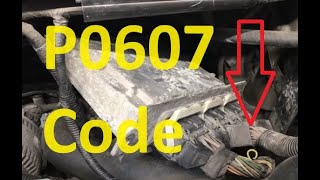
- Check Engine Light: An illuminated Malfunction Indicator Lamp (MIL) is a primary symptom. Specific codes related to internal module performance, such as P0607, are a strong indicator.
- Engine Stalling and Rough Idle: The engine may stall when coming to a stop or idle erratically. This can sometimes get worse as the engine warms up.
- No-Start Condition: The engine may crank but fail to start because the ECM isn't commanding the fuel injectors or ignition coils to fire.
- Poor Engine Performance: You might experience a loss of power, hesitation during acceleration, poor fuel economy, and engine misfires.
- Communication Failure: A complete sign of failure is when a diagnostic scan tool cannot communicate with the ECM.
- Erratic System Behavior: A failing ECM can cause other systems to act strangely, such as intermittent A/C operation or the key fob working only sometimes. In some cases, the radiator fans may run constantly even on a cold engine.
- Flood of Fault Codes: A failing module can generate a long list of codes for various sensors (like O2 sensors or EGR), even if the sensors themselves are good. Common codes include P0133, P0135, P0401, P061B, P2195, and P2197.
Known Issues, TSBs, and Recalls

As of this writing, there are no specific recalls for the ECM on the 2010 Ford Mustang. However, Ford has issued a Technical Service Bulletin (TSB) that is directly related to this module.
- TSB 11-1-3: This bulletin addresses an issue on 2009-2010 Mustang models with the 4.0L engine where the check engine light may illuminate with Diagnostic Trouble Code (DTC) P0607, which indicates a "Control Module Performance" error. This TSB provides technicians with specific diagnostic procedures to follow when this code appears.
Compatibility Warning: This ECM is specifically for 2010 Ford Mustang models equipped with a 4.0L SOHC V6 engine and an automatic transmission. It is not compatible with V8 GT models or models with a manual transmission. You must match the engineering ID number on your original module to ensure proper function.
Buying a Used 2010 Mustang ECM
A used OEM Engine Control Module is often a reliable and cost-effective solution. Because these modules are vehicle-specific, it is absolutely critical to verify compatibility before purchasing. Aftermarket units may lack the refined software and durability of the original Ford part.
- Match the Part Number Exactly: The most important step is to match the ID number on your original ECM. For this specific 2010 Mustang, you are looking for modules with the ID AR3A-12A650-UB or AR3A-12A650-UC. The first part of the number (AR3A) identifies the part for the vehicle model, and the last two letters (UB or UC) are the specific calibration and hardware revision. Do not install a module with a different ID, even if it looks identical.
- Physical Inspection: When you receive the used module, inspect it carefully. Look for any signs of corrosion on the housing or pins, which could indicate past water damage. Ensure none of the connector pins are bent or broken.
- Source from a Reputable Seller: Purchase from a seller who offers a warranty and has good reviews. A guarantee ensures that if the part is defective, you can get a replacement or refund.
Programming and Anti-Theft (PATS)

You cannot simply install a replacement ECM and expect the car to start. The module is tied into Ford's Passive Anti-Theft System (PATS), which prevents vehicle theft. A programming procedure is mandatory.
Warning: A replacement ECM, whether new, used, or remanufactured, MUST be programmed to your vehicle's VIN and keys. The engine will not start until this is done.
What is PATS?
PATS is an immobilizer system that uses a transponder chip inside your ignition key. The ECM and the instrument cluster communicate with this chip. If the key's code doesn't match what's stored in the vehicle's memory, the ECM will disable the fuel and ignition systems.
The Programming Procedure
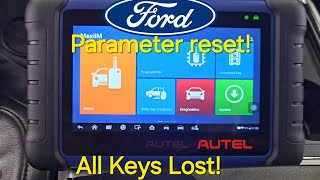
When a new ECM is installed, a "Parameter Reset" and "Ignition Key Code Erase" must be performed with a compatible diagnostic scan tool. This process syncs the replacement ECM with the other modules in the car and erases all previously stored keys.
- Security Access: The technician connects a scan tool and requests security access to the PATS system. This involves 🎬 See how to perform a Ford PCM parameter reset a mandatory 10-minute waiting period.
- Erase and Reprogram Keys: After access is granted, all old keys are erased from the system's memory. A minimum of two unique keys must then be programmed to the vehicle. If you only have one key, you will need to have a second one cut and available for this process.
Who Can Program the ECM?
- Ford Dealership: The dealer has the factory tools (IDS) and is the most reliable option for this procedure.
- Automotive Locksmith: Many professional locksmiths have advanced scan tools and the necessary NASTF (National Automotive Service Task Force) credentials to perform PATS key programming.
- Independent Repair Shop: A well-equipped independent shop with high-end diagnostic tools (like certain Autel or Snap-on scanners) can also perform this service.
Some online retailers sell remanufactured ECMs that are pre-programmed to your vehicle's VIN. While this can simplify the process, a final key relearn procedure may still be required upon installation.
Cost to Replace a 2010 Mustang ECM
The total cost will vary based on the price of the part and local labor rates for programming.
| Item | Estimated Cost |
|---|---|
| New OEM | $1500 - $2100+ (if available) |
| Remanufactured | $300 - $600 |
| Used OEM | $150 - $450 |
| Shop Labor (Programming) | $150 - $300 |
Frequently Asked Questions (FAQ)
Can I drive my car with a bad ECM?
It is not recommended. A failing ECM can cause the engine to stall unexpectedly in traffic, creating a serious safety hazard. If the car won't start or runs very poorly, it should be towed to a repair facility.
Where is the ECM located on a 2010 Mustang?
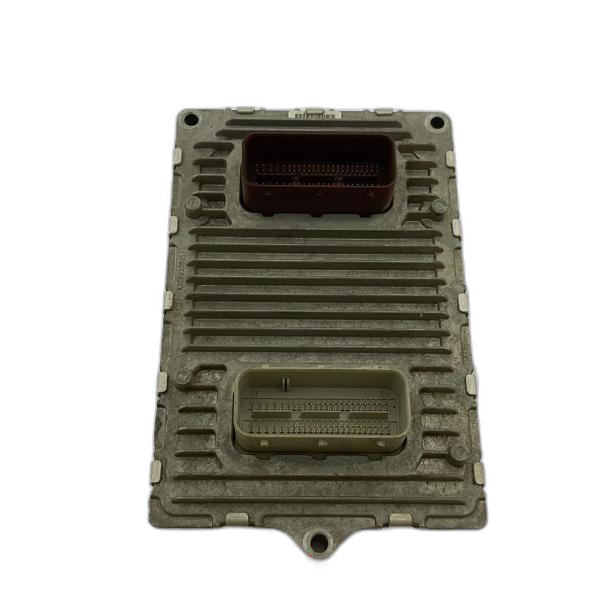
The ECM (or PCM) is located in the engine bay, on the passenger side, near the front of the vehicle. It is a silver metal box with three large electrical connectors.
Do I need to replace my spark plugs and coils when I replace the ECM?
It is highly recommended. Sometimes, a faulty ignition coil can short out and damage the driver circuit inside the ECM. If you install a new ECM without replacing the faulty coil that caused the original failure, you risk damaging the new module immediately. Some repair services void their warranty if this is not done.
Can I use an ECM from a Mustang GT or a manual transmission car?
No. The ECM is programmed specifically for the engine, transmission, and emissions equipment of the vehicle. Using an ECM from a V8 or manual transmission model will not work and will prevent the car from running correctly, if at all.
Helpful Videos
Technical Specifications
OEM Part Numbers: AR3A-12A650-UB AR3A-12A650-UC AR3A12A650UB AR3A12A650UC AR3AUB AR3AUC AR3Z-12A650-UB AR3Z-12A650-UC AR3Z-12A650-UCRM AR3Z12A650UB RMAR3A-12A650-UC RMAR3A12A650UC RMAR3AUC
Vehicle specific: 2010 Ford Mustang, 4.0L SOHC V6 Engine, Automatic Transmission.
We Have This Part in Stock


The information in this article is provided for general reference and educational purposes only. Vehicle specifications, procedures, and part compatibility can vary by production date, trim level, and region. Always consult your vehicle's factory service manual and verify part numbers before purchasing or performing repairs. Safety-critical components such as airbags, seat belts, and braking systems should be installed by a qualified professional.
- Ford Mustang:
- 🎬 Helpful Videos
- 🛍️ Shop This Part
- Symptoms of a Failing 2010 Mustang ECM
- Known Issues, TSBs, and Recalls
- Buying a Used 2010 Mustang ECM
- Programming and Anti-Theft (PATS)
- What is PATS?
- The Programming Procedure
- Who Can Program the ECM?
- Cost to Replace a 2010 Mustang ECM
- Frequently Asked Questions (FAQ)
- 🎟️ Get 5% Off