

2006-2007 Ford Fusion & Mercury Milan 2.3L ECM: A Guide to Programming, Symptoms, and Replacement
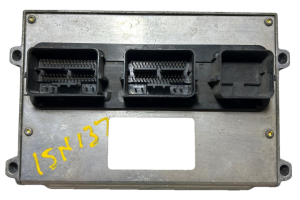
This guide covers the common failure symptoms, replacement costs, and critical programming requirements for the Engine Control Module in 2006-2007 Ford Fusion and Mercury Milan models with the 2.3L engine.
- Programming is mandatory. A replacement ECM for a 2006-2007 Fusion or Milan must be programmed to the car's VIN and security system by a dealer or qualified shop.
- The vehicle will not start until the replacement ECM is properly programmed.
- This ECM fits the 2.3L engine with an automatic transmission and Federal emissions.
- Common symptoms of failure include a persistent check engine light, stalling, no-start conditions, and poor engine performance.
Symptoms of a Failing ECM

A failing Engine Control Module in a 2006-2007 Ford Fusion or Mercury Milan can cause a wide range of issues, from minor annoyances to a no-start condition. Because the ECM controls so many different systems, symptoms can often be intermittent and difficult to diagnose.
- Check Engine Light: This is the most common indicator. If the light remains on even after addressing other potential issues, the ECM itself could be the problem.
- Engine Performance Problems: You may experience a noticeable drop in fuel economy, a loss of power, rough idling, stuttering, or misfires. This happens because the ECM is no longer able to correctly manage the air-fuel mixture and ignition timing.
- Car Won't Start: A completely failed ECM will prevent the engine from starting. The engine may crank but will not fire up because it's not receiving the necessary signals from the computer.
- Stalling: The engine may stall unexpectedly or shut off for no apparent reason, which can be a significant safety concern.
- Transmission Issues: Since the ECM communicates with the transmission control module, a faulty ECM can lead to rough or delayed shifting.
Known Issues, TSBs, and Recalls

While there are no specific recalls for the ECM itself on these vehicles, several service bulletins and recalls relate to systems controlled by the ECM.
- TSB for Low Idle/Stalling: A technical service bulletin was issued for some 2006-2007 Fusion and Milan vehicles with the 2.3L engine that could exhibit excessively low idle RPM or stalling without any diagnostic trouble codes present. This could be related to incorrect PCM programming.
- ABS Hydraulic Control Unit Recall: Recall 19S54 (NHTSA 19V-904) was issued for 2006-2010 models because valves within the ABS Hydraulic Control Unit (HCU) could stick open, leading to extended brake pedal travel. While not an ECM issue, it involves a critical computer-controlled system.
- Instrument Cluster Recalibration: A compliance recall required dealers to recalibrate the instrument cluster software, which could fail to illuminate the ABS warning light if the module became inoperative.
Important: Many symptoms of a bad ECM can also be caused by simpler, less expensive problems like a faulty sensor or bad wiring. Always perform a thorough diagnosis before condemning the ECM.
Programming and Anti-Theft Requirements

This is the most critical step of the replacement process. A replacement ECM, whether new, used, or remanufactured, will not work by simply plugging it in. It must be programmed to your specific vehicle.
- VIN Programming: The replacement module must be programmed with your vehicle's 17-digit Vehicle Identification Number (VIN). This ensures the ECM has the correct software and calibration for your car's specific engine, transmission, and emissions equipment.
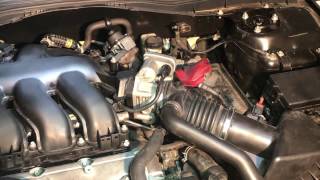
- PATS (Passive Anti-Theft System): These vehicles are equipped with Ford's PATS security system. The ECM is a key part of this system. After installation, the replacement ECM must be synchronized with your existing ignition keys. 🎬 See how the PATS system works after replacing a module. If this procedure is not performed, the anti-theft system will activate, and the engine will not start.
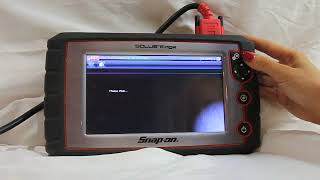
- Who can program it? A Ford dealership or a qualified independent mechanic with a professional-grade scan tool (like Ford's IDS, 🎬 Watch a mechanic perform the necessary parameter reset procedure. or high-end Snap-on or Autel tools) can perform the necessary programming and key relearn procedure. Some specialized locksmiths may also have this capability. The process typically involves a 10-minute security access wait time.
Replacement Guide

The ECM is located in the engine compartment, against the firewall on the driver's side, behind the battery.
- Disconnect the Battery: Always disconnect the negative battery terminal before working on any electronic components.
- Remove the Battery: The battery and the battery tray must be removed to access the ECM.
- Disconnect ECM Connectors: There are large electrical connectors attached to the ECM. These have levers or tabs that must be released to unplug them.
- Unbolt the ECM: The module is held in place by several 10mm bolts. Remove these bolts 🎬 Watch this walkthrough on how to pull the PCM. and lift the ECM out of the vehicle.
- Installation and Programming: Installation is the reverse of removal. Once the new module is installed and the battery is reconnected, the vehicle must be towed or taken to a facility for programming. The car will not start until this is done.
Buying a Used Engine Control Module
A used OEM ECM is a cost-effective alternative to a new unit. However, there are important factors to consider to ensure you get a compatible part.
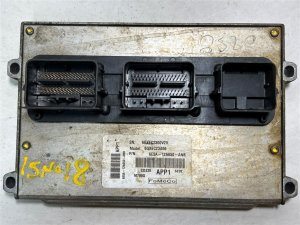
- Match the Part Number: The most reliable way to ensure compatibility is to match the OEM part number from your original module to the replacement. Part numbers can be found on a sticker on the ECM's housing.
- Verify Engine, Transmission, and Emissions: Ensure the donor vehicle had the same 2.3L engine, automatic transmission, and emissions type (Federal) as your Ford Fusion or Mercury Milan.
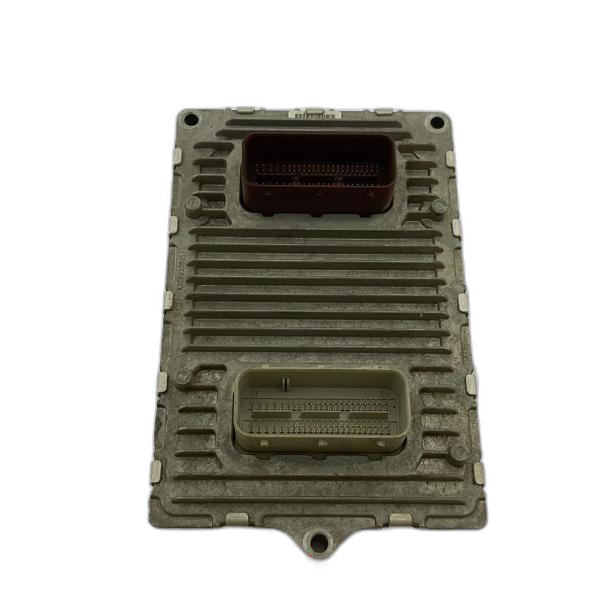
- Physical Inspection: When you receive the used part, inspect the housing for any signs of physical damage, corrosion, or water intrusion. Check that the connector pins are straight and clean.
- Programming is Not Optional: Remember that even a perfect used ECM will require professional programming to work in your car. Factor this cost into your budget.
Cost Comparison
Prices can vary based on location and supplier, but this provides a general estimate for replacing the ECM in a 2006-2007 Fusion or Milan.
| Part Type | Estimated Cost |
|---|---|
| New OEM | $950 - $1100 |
| Remanufactured | $200 - $550 |
| Used OEM | $75 - $200 |
| Shop Labor (Installation & Programming) | $100 - $250 |
Frequently Asked Questions
Can I drive my car with a bad ECM?
It is not recommended. Depending on the failure mode, the vehicle may be unreliable, stall unexpectedly, or not start at all. Driving with a faulty ECM can be a safety hazard.
Do I need to program a used ECM?
Yes, absolutely. All replacement ECMs—new, used, or remanufactured—must be programmed to your vehicle's VIN and have the security keys relearned to it. The car will not start without this step.
Can I program the ECM myself?
Programming an ECM requires specialized, expensive diagnostic tools and software subscriptions that are typically only owned by dealerships and professional repair shops. It is not a feasible DIY task for most vehicle owners.
Will a bad ECM always cause a Check Engine Light?
Not always. While a Check Engine Light is a very common symptom, some failure modes, like intermittent stalling or low idle, may not immediately trigger a fault code.
Helpful Videos

Technical Specifications
OEM Part Numbers: 6E5A-12A650-AAD 6E5A-12A650-ANB 6E5A12A650AAD 6E5A12A650ANA 6U7A-12A650-BEA 6U7A-12A650-BEB 6U7Z-12A650-BEA 6U7Z-12A650-BEB 6U7Z12A650BEC
Fits vehicles with 2.3L I4 engine, automatic transmission, and Federal emissions.
We Have This Part in Stock



The information in this article is provided for general reference and educational purposes only. Vehicle specifications, procedures, and part compatibility can vary by production date, trim level, and region. Always consult your vehicle's factory service manual and verify part numbers before purchasing or performing repairs. Safety-critical components such as airbags, seat belts, and braking systems should be installed by a qualified professional.
- Ford Fusion:
- Mercury Milan: