

2013-2018 Ford Focus ECM: Decoding Failures, Programming, and the Tricky TCM Link
This guide clarifies the critical differences between the Engine Control Module (ECM) and the problematic Transmission Control Module (TCM), and explains the mandatory programming required for any replacement.
- A replacement ECM MUST be professionally programmed to your car's VIN and keys to function; it is NOT plug-and-play.
- Shuddering and jerking on automatic models are almost always caused by the Transmission Control Module (TCM), NOT the ECM.
- Check for open recalls, especially 18S32, which requires a PCM software update to prevent fuel tank damage.
- A mail-in cloning service is an excellent option for DIYers, as it makes the replacement used ECM plug-and-play.
Is It Your ECM or the Infamous TCM?

Before diagnosing an Engine Control Module (ECM) failure in a 2013-2018 Ford Focus, it's crucial to rule out the Transmission Control Module (TCM). This generation of Focus, when equipped with the DPS6 PowerShift automatic transmission, is notorious for TCM failures. Many symptoms overlap, but the TCM is a far more common point of failure.
- TCM Symptoms: Typically related to the transmission's physical behavior. This includes severe jerking or shuddering on acceleration, hesitation, harsh shifts, delayed engagement from a stop, and the car revving up but not moving. Ford has faced lawsuits and issued numerous recalls and extended warranties for the TCM.
- ECM Symptoms: Tend to be more related to the engine's core operation. This includes a car that won't start or cranks but won't fire, random stalling, a steady check engine light with codes pointing to internal processor faults, or a complete loss of communication with a scan tool.
Pro Tip: If you are experiencing shuddering, jerking, or shifting problems with an automatic transmission, your first suspect should be the Transmission Control Module (TCM), not the ECM. Check for Ford's extended warranty programs (like 19N08) related to the TCM and clutch assembly, as you may be eligible for a free repair.
Known Issues, Recalls, and Technical Service Bulletins (TSBs)

While the TCM gets most of the attention, the ECM (PCM) has been the subject of important factory updates.
- Safety Recall 18S32 / 19S22: Ford issued a recall to reprogram the Powertrain Control Module (PCM). The original software could fail to detect a stuck-open canister purge valve, which could create excessive vacuum in the fuel system and potentially deform the fuel tank. This is a software update, not a hardware replacement, but it's critical that any replacement ECM has this updated programming.
- TSB 16-0104: This bulletin addresses intermittent loss of power, no-start conditions, or loss of transmission engagement. It points technicians to check for specific diagnostic trouble codes (DTCs) like U0100, U0101, U1013, and/or P0606. While these symptoms can be ECM-related, this TSB often leads to a TCM replacement. This highlights the diagnostic complexity between the two modules.
Symptoms of a Failing Ford Focus ECM

When the ECM itself is the point of failure, you may experience one or more of the following issues:
- No Start Condition: The engine may crank over but will not start. This can happen if the ECM is not properly firing the ignition coils or fuel injectors.
- Engine Stalling: The engine may stall unexpectedly while driving or when coming to a stop.
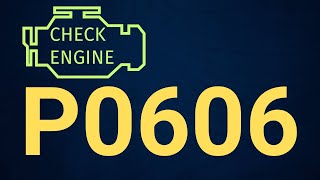
- Check Engine Light with Specific Codes: A constant Check Engine Light is a primary symptom. Codes specifically pointing to an internal module failure are strong indicators. Look for codes like 🎬 See this guide on diagnosing a P0606 processor error code P0606 (PCM Processor Fault), P0607 (Control Module Performance), and P060C (Internal Control Module Main Processor Performance).
- Loss of Communication: If a diagnostic scan tool cannot communicate with the ECM, it's a major red flag that the module itself has failed.
- Erratic Engine Behavior: This can include misfiring, rough idling, poor fuel economy, and a sudden loss of power for no apparent reason.
Buying a Used 2013-2018 Ford Focus ECM

Purchasing a used OEM ECM is a cost-effective way to get your Focus back on the road, but there are critical steps you must follow. A used ECM is not a 'plug and play' part.
Warning: A replacement ECM will NOT start the car until it is professionally programmed to your vehicle. This is the most important factor to consider when planning your repair.
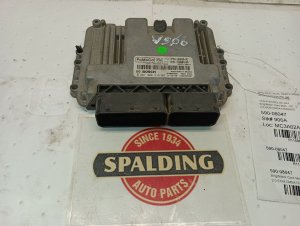
- Match the Part Number EXACTLY: The most critical step is to match the OEM engineering number on the sticker of your original ECM to the one you are buying. While some modules can be interchanged, an exact match is the safest way to ensure compatibility. The provided list of part numbers (e.g., BV6112B684BC, CM5A12A650ATF) are examples of what to look for.
- Physical Inspection: When you receive the used module, inspect it for signs of physical damage, especially bent pins on the connectors. Ensure there is no corrosion or water damage.
- Plan for Programming: Before you buy the part, have a plan for who will program it. You have several options:
- Ford Dealer: The most reliable, but often most expensive, option. They have the factory tools (IDS) and direct access to the latest software.
- Independent Repair Shop: Many modern shops have J2534 pass-thru devices and subscriptions to Ford's software, allowing them to program modules. Call ahead and ask specifically if they can program a supplied, used Ford ECM.
- Mail-In Cloning Service: Companies like SIA Electronics or ECU Maverick offer a service where you mail them your original (faulty) ECM and your replacement (used) ECM. They will clone the data—including VIN, immobilizer info, and software—from your old module to the new one. This makes the replacement module plug-and-play, with no further programming needed. This is often the best option for a DIY repair.
Understanding ECM Programming & The Immobilizer
Programming a replacement ECM is a multi-step process that links the module to your specific car.
- Flashing: The correct software (calibration file) for your car's engine, transmission, and emissions equipment is loaded onto the ECM.
- PATS Relearn: The ECM is a key part of Ford's Passive Anti-Theft System (PATS). The system needs to be told to accept your existing keys. 🎬 Watch: How to perform the Ford PATS key relearn procedure This usually involves a 'parameter reset' function performed with a high-level scan tool. Without this step, the PATS immobilizer will prevent the engine from starting. You typically need at least two programmed keys to perform this procedure.
Replacement Cost Comparison
The cost of replacing a Ford Focus ECM can vary significantly based on the parts and labor source. Programming is a mandatory and significant part of the cost.
| Item | Estimated Cost | Notes |
|---|---|---|
| New OEM Part | $500 - $700 | Part only, from a Ford dealer. |
| Used OEM Part | $35 - $150 | From online sellers or salvage yards. Requires programming. |
| Remanufactured / Repair Service | $150 - $400 | Your original module is repaired and sent back, or cloned to a replacement. |
| Shop Labor & Programming | $250 - $700 | Highly variable. A simple swap is quick, but programming and diagnostics take specialized tools and time. |
| Total Dealer Replacement (New) | $1,100 - $1,300+ | Includes new OEM part, installation, and programming. |
| Total Independent Shop (Used) | $400 - $850 | Includes used part cost and professional programming. |
Frequently Asked Questions (FAQ)
Can I drive my Ford Focus with a bad ECM?
It is not recommended. Depending on the failure mode, the vehicle may not start at all, stall unexpectedly in traffic, or have significantly reduced power. These conditions can be unsafe. If the car is drivable, it should only be to get it to a repair facility.
Do I absolutely have to program a replacement ECM?
Yes. There is no way around this. The ECM is tied to your vehicle's VIN and the PATS anti-theft system. Without programming, the car will not start.
Can I program a Ford Focus ECM myself with FORScan?
While FORScan is a powerful tool, programming a replacement ECM is an advanced procedure that is risky for beginners. You can potentially render the module unusable. While functions like reading codes or resetting adaptations are straightforward, PATS parameter resets and module initialization should be left to professionals or those with extensive experience.
What's the difference between an ECM and a PCM?
In modern Fords, the terms are often used interchangeably. PCM stands for Powertrain Control Module. Historically, the ECM (Engine Control Module) and TCM (Transmission Control Module) were separate. The PCM integrates both functions into a single module. However, for the 2013-2018 Focus with the automatic transmission, the ECM and TCM are physically separate units that communicate with each other, which is a major source of the diagnostic confusion.
My car has an automatic transmission and is jerking. The seller of this part says it's for an automatic. Will it fix my problem?
Probably not. The warning that this ECM is from a vehicle with a 2.0L engine and automatic transmission is to ensure compatibility. However, the jerking and shuddering in a 2013-2018 Focus automatic is almost always a symptom of a failing Transmission Control Module (TCM) or the dual-clutch assembly itself, not the Engine Control Module (ECM). You should have the TCM and transmission system diagnosed first.
Helpful Videos
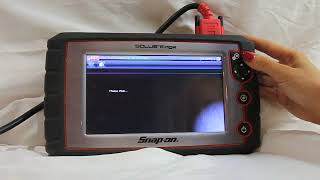
Technical Specifications
OEM Part Numbers: BV6112B684BC BV6Z12A650BCNP CM5A12A650ATF DM5A12A650CA DM5A12A650CC DM5A12A650CD DM5A12A650CE EM5A12A650ACA EM5A12A650ACB EM5A12A650ACC EM5A12A650ADA EM5A12A650ADB FM5A12A650ADB
This module is specified for the 2.0L non-turbo (GDI) engine. It controls engine functions and communicates with a separate Transmission Control Module (TCM) on automatic models. The vehicle's anti-theft system (PATS) is integrated with the ECM.
We Have This Part in Stock



The information in this article is provided for general reference and educational purposes only. Vehicle specifications, procedures, and part compatibility can vary by production date, trim level, and region. Always consult your vehicle's factory service manual and verify part numbers before purchasing or performing repairs. Safety-critical components such as airbags, seat belts, and braking systems should be installed by a qualified professional.
- Ford Focus:
- 🎬 Helpful Videos
- 🛍️ Shop This Part
- Is It Your ECM or the Infamous TCM?
- Known Issues, Recalls, and Technical Service Bulletins (TSBs)
- Symptoms of a Failing Ford Focus ECM
- Buying a Used 2013-2018 Ford Focus ECM
- Understanding ECM Programming & The Immobilizer
- Replacement Cost Comparison
- Frequently Asked Questions (FAQ)
- 🎟️ Get 5% Off