

2008-2011 Ford Focus ECM: Decoding Failures, Programming, and Replacement
This guide covers the critical information you need to know about diagnosing, replacing, and programming the Engine Control Module (ECM) for your 2008-2011 Ford Focus.
- Programming is mandatory. A replacement ECM must be programmed to your vehicle's VIN and anti-theft system (PATS) by a dealer or qualified locksmith.
- You must match the OEM part number exactly. Failure to match the part number from your original ECM will result in incompatibility.
- A used OEM module is a viable option if you factor in the cost of professional programming.
- Symptoms of a bad ECM can mimic many other issues; proper diagnosis is key before replacing the part.
Symptoms of a Failing ECM

A failing Engine Control Module in a 2008-2011 Ford Focus can be difficult to diagnose because its symptoms often mimic other problems. If you experience several of these issues at once, the ECM might be the culprit.
- Check Engine Light: An illuminated Check Engine Light is the most common sign. The ECM stores Diagnostic Trouble Codes (DTCs) that can be read with an OBD-II scanner.
- Engine Performance Issues: You might notice rough idling, engine stuttering, misfires, poor acceleration, or sudden stalling. This can happen when the ECM sends incorrect signals to the fuel injectors or ignition system.
- No-Start or Intermittent Starting: A completely failed ECM can prevent the engine from starting at all. It may crank but won't start because the ECM isn't managing the spark or fuel delivery.
- Poor Fuel Economy: A sudden, noticeable drop in gas mileage can be a sign that the ECM is commanding an overly rich fuel mixture.
- Communication Failures: If a diagnostic scanner cannot communicate with the ECM, but can with other modules, it's a strong sign the ECM itself has failed.
- Automatic Transmission Problems: In vehicles with automatic transmissions, a faulty ECM can send incorrect signals to the transmission control module, leading to rough or erratic shifting.
Common Diagnostic Trouble Codes (DTCs)
While many codes can indicate an ECM issue, some are more directly related to internal module failures or communication problems. Look for codes in the P06xx range, which relate to computer and output circuit faults, as well as U-codes indicating lost communication.
- P0606: PCM Processor Fault
- P060C: Internal Control Module Main Processor Performance
- P068A: ECM/PCM Power Relay De-Energized – Too Early
- P1608: Internal ECM Malfunction
- U0100: Lost Communication With ECM/PCM
- Other codes related to sensor reference voltage (e.g., P06A6, P06A7, P06A8) can also point to an internal ECM problem.
Pro Tip: Before condemning the ECM, always check for simpler causes first. Inspect the battery, terminals, and ground connections. A weak battery or poor connection can cause many of the same symptoms. Also, check for any visible damage to the wiring harness or corrosion on the ECM connectors.
Known Issues, Recalls, and TSBs

As of early 2026, there are no specific recalls for the Engine Control Module on the 2008-2011 Ford Focus. However, several Technical Service Bulletins (TSBs) have been issued that relate to ECM software or diagnostics:
- TSB SSM 46085: Advises technicians on revised diagnostic procedures for electronic throttle bodies (ETBs), noting that certain data PIDs should not be used to diagnose ETB concerns, which could otherwise lead to misdiagnosis of the ECM.
- TSB AS-21769: Addresses an intermittent lack of power, surge, or hesitation, noting that the brake-over-accelerator function might be a factor, which involves ECM logic. 🎬 Watch: Common 2008-2011 Ford Focus problems and defects
- Some TSBs also mention updating the PCM calibration to resolve issues like fluctuating idle speed or to improve fuel injector performance.
ECM Programming and Anti-Theft (PATS)

Warning: A replacement ECM for a 2008-2011 Ford Focus MUST be programmed to the vehicle. This is not a plug-and-play part. The vehicle will not start until the programming is complete.
The most critical aspect of replacing the ECM in this Focus is understanding the programming requirements, which are tied to Ford's Passive Anti-Theft System (PATS).
- PATS Integration: The ECM is a key component of the PATS immobilizer system. The system works by reading a transponder chip inside your key. If the key's code doesn't match what's stored in the vehicle's security module and the ECM, the engine will be disabled.
- Parameter Reset: When you install a new or used ECM, a procedure called a "Parameter Reset" must be performed with a compatible high-end scan tool. This tells the other security modules in the car to accept the new ECM. Simply swapping the module will result in a no-start condition.
- Key Programming: After the parameter reset, a minimum of two keys must be programmed to the new ECM. This process erases all previously stored keys and syncs the existing keys to the new module. 🎬 See how to program a set of Ford PATS keys
- Who can program it? This procedure typically requires a Ford dealer or a well-equipped independent shop or automotive locksmith who has a scan tool with Ford-specific capabilities (like Ford's IDS software or a high-end Snap-on tool) and a subscription to Ford's service information. Many online sellers of remanufactured ECMs offer pre-programming by VIN, but a final on-car PATS relearn (the parameter reset) is almost always still required.
Buying a Used Engine Control Module (ECM)

A used OEM ECM can be a cost-effective solution, but careful purchasing is key to avoid complications.
- Match the Part Number Exactly: The most critical step is to match the OEM part number from your original ECM to the used one you are buying. Ford uses many variations, and even a single letter difference can mean incompatibility. The part number is printed on a sticker on the ECM's case. Common part numbers include 8S4A-12A650-ARB, 8S4A-12A650-ARC, and 8S4A-12A650-ARD.
- Verify Engine and Transmission: Ensure the donor vehicle had the same 2.0L engine and automatic transmission as your Focus. Modules for manual transmissions or different engines have different programming and will not work.
- Physical Inspection: Before purchasing, inspect the used module for any signs of physical damage, especially to the connectors. Look for bent or corroded pins. Avoid any units that show signs of water intrusion or have been opened.
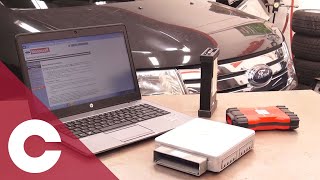
- Plan for Programming: Remember that even a perfect used part will require professional programming. Factor the cost of a locksmith or dealer visit into the total price. Do not expect it to work by simply plugging it in. 🎬 Watch this walkthrough on how to reprogram a Ford PCM
Cost Breakdown
Prices can vary based on your location and the specific part number. The programming cost is a significant factor to include.
| Part Type | Estimated Cost (Part Only) |
|---|---|
| New OEM (Remanufactured from Ford) | $800 - $1,250 |
| New Aftermarket | $250 - $500 |
| Remanufactured (Third-Party) | $180 - $400 |
| Used OEM | $50 - $150 |
| Shop Labor (Installation & Programming) | $100 - $300 |
Frequently Asked Questions (FAQ)
Where is the ECM located on a 2008-2011 Ford Focus?
The ECM is typically located in the engine bay, on the driver's side, mounted to the firewall behind the battery.
Can I replace the ECM myself?
Physically replacing the module is straightforward for a DIY mechanic; it usually involves disconnecting the battery, unplugging the electrical connectors, and unbolting the module from its bracket. However, the vehicle will be undrivable until the replacement ECM is professionally programmed to the car's anti-theft system.
Will a used ECM from a junkyard work?
Yes, a used ECM can work provided the part number is an exact match and it comes from a vehicle with the same engine and transmission. However, it absolutely must be reprogrammed to your vehicle's VIN and PATS key system by a dealer or qualified locksmith to function.
What is a "Parameter Reset" and why is it important?
A Parameter Reset is a software procedure done with a diagnostic scan tool that tells the vehicle's other computers (like the instrument cluster and PATS module) to accept the newly installed ECM. Without this step, the anti-theft system will not recognize the new ECM and will prevent the engine from starting.
Helpful Videos

Technical Specifications
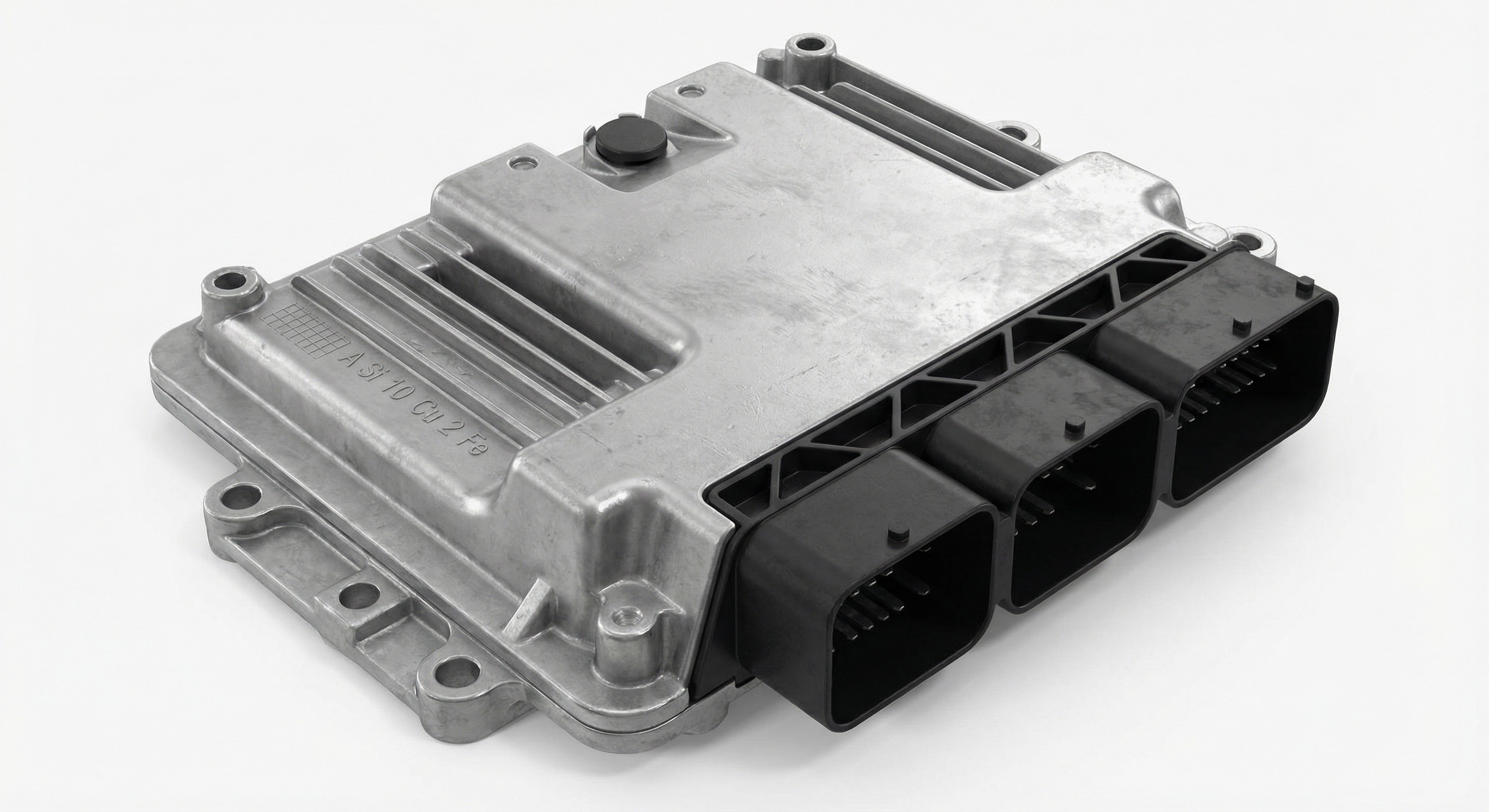
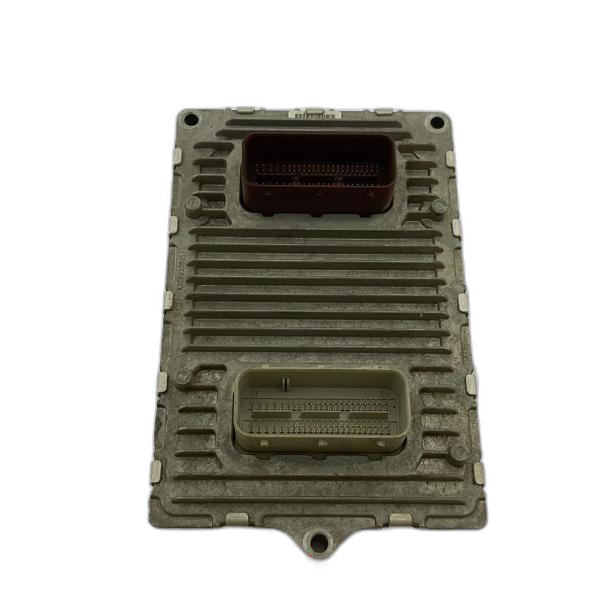
OEM Part Numbers: 8S4A-12A650-ARB 8S4A-12A650-ARC 8S4A-12A650-ARD 8S4Z-12A650-ARD 8S4Z-12A650-ASDRM 8S4A-12A650-AJA 8S4A-12A650-AJB 8S4A-12A650-ASC 8S4A-12A650-ASD 9S4A-12A650-AA 9S4A-12A650-AB 9S4A-12A650-BA 9S4A-12A650-BB
This module is for vehicles equipped with a 2.0L DOHC engine and an automatic transmission.
We Have This Part in Stock




The information in this article is provided for general reference and educational purposes only. Vehicle specifications, procedures, and part compatibility can vary by production date, trim level, and region. Always consult your vehicle's factory service manual and verify part numbers before purchasing or performing repairs. Safety-critical components such as airbags, seat belts, and braking systems should be installed by a qualified professional.
- Ford Focus: