

2014 Ford F-150 3.5L ECM: Sudden Downshifts, Stalling, and Programming Essentials
This guide covers the critical recall, common failure symptoms, and the mandatory programming required when replacing the Engine Control Module in your 2014 F-150 with the 3.5L EcoBoost engine.
- A replacement ECM for a 2014 F-150 MUST be professionally programmed to the truck's VIN to disable the anti-theft system and ensure function.
- A critical safety recall (24V-444) exists for a software flaw that can cause a sudden, dangerous downshift to first gear. The fix is a free dealer-installed software update.
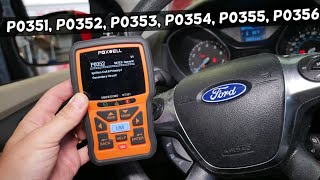
- A common failure mode involves the internal ignition coil drivers, setting codes P0351-P0356. If this occurs, you must replace all six ignition coils along with the ECM.
- Always match the OEM part number from your original module exactly, and ensure the replacement is for a 3.5L Turbo engine.
Symptoms of a Failing 2014 F-150 ECM

A failing Engine Control Module can cause a wide range of confusing and intermittent problems. Because the ECM controls so many different systems, its failure can mimic other issues. Be aware of these common signs:
- Check Engine Light: An illuminated Check Engine Light is one of the most common symptoms. Codes related to the ECM itself (like P0606), communication errors (U-codes), or a sudden flood of seemingly unrelated sensor codes can point to a faulty module.
- Engine Stalling or No-Start: The engine may stall unexpectedly while driving or refuse to start at all, even with a good battery. This can be intermittent, making it difficult to diagnose.
- Poor Engine Performance: You might notice a significant loss of power, rough idling, engine hesitation, misfires, or a sudden drop in fuel efficiency.
- Transmission Shifting Problems: The ECM works directly with the transmission control module. A failing ECM can cause harsh shifting, delayed engagement, or being stuck in one gear.
- Ignition Coil Circuit Codes: A very common failure on these trucks is damage to the ignition coil driver circuits inside the ECM. This is often caused by a shorted ignition coil and will set codes P0351 through P0356, indicating a fault in the primary or secondary circuit for a specific coil.
- No Communication with Scan Tool: In cases of severe failure, a diagnostic scan tool may not be able to communicate with the ECM at all.
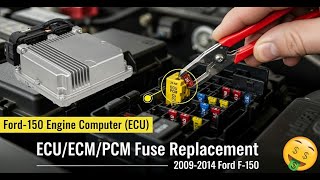
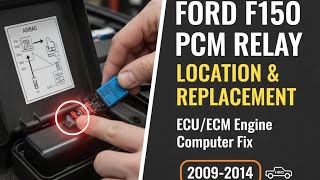
Pro Tip: Before condemning the ECM, always check the basics first. Inspect the battery and its connections, check all relevant fuses in the under-hood fuse box, and inspect the wiring harness to the ECM for any signs of damage or corrosion. A bad PCM relay can also mimic a failed module.
🎬 Watch: How to find and check your PCM fuses.Known Issues, Recalls, and Technical Service Bulletins (TSBs)

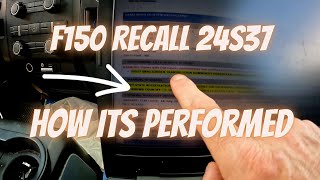
Safety Recall 24V-444 (Ford 24S37): Sudden Unintended Downshift
This is a critical safety recall affecting 552,188 2014 Ford F-150 vehicles. The issue involves an intermittent loss of the transmission Output Shaft Speed (OSS) sensor signal. When the ECM loses this signal, it can mistakenly think the vehicle has slowed or stopped, causing an abrupt and unintended downshift into first gear, regardless of the actual speed. This can cause the rear wheels to lock up, leading to a loss of vehicle control and increasing the risk of a crash.
🎬 Watch: See how this sudden downshift recall is fixed.The fix for this recall is a software update for the ECM (PCM). A Ford dealer will reprogram the module free of charge. The new software adds a plausibility check; if the OSS signal is lost, it will prevent the downshift and illuminate the check engine light. Anyone purchasing a used 2014 F-150 or a replacement ECM should ensure this recall has been performed.
TSB 14-0017: Intermittent Stumble/Misfire
This TSB addresses an issue where the 3.5L EcoBoost engine may experience an intermittent stumble or misfire during hard acceleration, particularly after extended driving in high humidity conditions. This issue may also be related to ECM calibration.
Programming and Immobilizer Requirements: The Most Critical Step

Warning: You cannot simply swap a used ECM into your 2014 F-150 and expect it to work. The module is a critical part of the vehicle's anti-theft system (PATS) and must be professionally programmed.
The ECM, instrument cluster, and ignition keys are all linked together through Ford's Passive Anti-Theft System (PATS). When you install a different ECM, it will not recognize your existing keys, and the truck's immobilizer will prevent the engine from starting.
To replace the ECM, the new or used module must be programmed to your truck's specific Vehicle Identification Number (VIN). This process syncs the replacement ECM with the other modules and reprograms the ignition keys to the new module.
Who Can Program a 2014 F-150 ECM?
- Ford Dealerships: This is the most straightforward option. They have the required tools (Ford IDS) and direct access to the latest software calibrations.
- Independent Repair Shops: Many independent shops invest in professional diagnostic tools, such as a J2534 pass-through device and a subscription to Ford's diagnostic software (FDRS), allowing them to perform the same programming as a dealer.
- Automotive Locksmiths: Some specialized locksmiths also have the equipment to program keys and modules for Ford vehicles.
DIY programming is not feasible for the average owner due to the high cost of the required tools and software subscriptions.
Buying a Used 2014 F-150 3.5L ECM
Buying a used OEM ECM can be a cost-effective solution, provided you follow these steps to ensure compatibility and quality.
- Match the Part Number Exactly: The most important step is to match the OEM part number from your original ECM to the replacement unit. The part number is printed on a sticker on the module's case. The provided list of part numbers (EL3A-12A650-AEA, AFA, AGA, etc.) are specific to the 3.5L Turbo engine. An ECM from a 5.0L or 6.2L truck will not work.
- Inspect for Physical Damage: Carefully examine the used module. Look for any signs of corrosion on the aluminum case or pins, which could indicate water damage. Check that the three large connector ports are clean and that no pins are bent or broken. Ensure the case hasn't been pried open.
- Buy from a Reputable Source: Purchase from an established auto recycler that offers a warranty and guarantees the part is functional. This provides protection in case you receive a defective unit.
- Factor in Programming Costs: Remember that a used ECM is just the hardware. You must budget for the additional cost of having it professionally programmed to your truck.
Cost of Replacement
Prices can vary based on your location and the chosen repair path. Here are typical cost ranges:
| Part/Service | Estimated Cost | Notes |
|---|---|---|
| New OEM | $800 - $1,200+ | Often only available as a remanufactured unit from dealers. Price is for the part only. |
| Remanufactured | $250 - $500 | Often comes pre-programmed to your VIN, but may require a key relearn procedure. |
| Used OEM | $75 - $250 | Part only. Will always require professional programming. |
| Shop Labor (Swap & Program) | $180 - $450 | Typically 1.5 to 2.5 hours of labor. Programming alone can cost $100-$250. |
Frequently Asked Questions (FAQ)
Where is the ECM located on a 2014 Ford F-150?
The ECM is located in the engine compartment on the passenger-side firewall. It is a silver metal box with three large electrical connectors and is usually protected by a black plastic cover.
Can I drive my truck with a bad ECM?
It is not recommended. Depending on the failure mode, the truck may not start, stall frequently, or enter a 'limp mode' with severely reduced power. If the failure causes unpredictable stalling, the vehicle is unsafe to drive.
Will a new ECM have the latest software, including the 24V-444 recall fix?
A new or remanufactured ECM from a reputable supplier should be flashed with the latest software available at the time of programming. However, it is always wise to confirm with the programmer or check with a Ford dealer using your VIN to ensure all recalls are completed.
My truck has codes P0351-P0356. Do I need to replace my ignition coils too?
Yes. These codes indicate a failure in the ignition coil control circuit inside the ECM. This failure is almost always caused by a faulty ignition coil sending a voltage spike back to the module. If you replace the ECM without replacing all six ignition coils (and spark plugs for good measure), the new ECM will likely be damaged immediately.
🎬 Watch: Fixing ignition coil circuit codes P0351 through P0356.Helpful Videos

Technical Specifications
OEM Part Numbers: EL3A12A650AEA EL3A12A650AFA EL3A12A650AGA EL3A12A650AHA EL3A12A650AJA EL3A12A650AKA EL3A12A650ALA EL3A12A650AMA EL3A12A650ANA EL3A12A650APA EL3A12A650ARA EL3A12A650ASA EL3A12A650ATA EL3A12A650AUA EL3A12A650AVA
Location: Engine bay, passenger-side firewall. Connectors: 3 main harness connectors.
We Have This Part in Stock



The information in this article is provided for general reference and educational purposes only. Vehicle specifications, procedures, and part compatibility can vary by production date, trim level, and region. Always consult your vehicle's factory service manual and verify part numbers before purchasing or performing repairs. Safety-critical components such as airbags, seat belts, and braking systems should be installed by a qualified professional.
- Ford F-150:
- 🎬 Helpful Videos
- 🛍️ Shop This Part
- Symptoms of a Failing 2014 F-150 ECM
- Known Issues, Recalls, and Technical Service Bulletins (TSBs)
- Safety Recall 24V-444 (Ford 24S37): Sudden Unintended Downshift
- TSB 14-0017: Intermittent Stumble/Misfire
- Programming and Immobilizer Requirements: The Most Critical Step
- Who Can Program a 2014 F-150 ECM?
- Buying a Used 2014 F-150 3.5L ECM
- Cost of Replacement
- Frequently Asked Questions (FAQ)
- 🎟️ Get 5% Off