

2013-2014 Ford F-150 5.0L ECM: Solving Stalling, No-Start, and Programming Mysteries
This guide covers the critical recalls, common failure symptoms, and mandatory programming steps for the Engine Control Module in your 2013-2014 Ford F-150.
- Any replacement ECM (new, used, or remanufactured) MUST be programmed to the truck and its keys to function. It is not a plug-and-play part.
- A crank/no-start or stalling issue is very often caused by a melted fuel pump fuse (TSB 15-0137), not a bad ECM. Always inspect Fuse #27 first.
- There is a major safety recall (Ford #19S07 or #24S37) for unintended downshifts. The fix is a free software update from a Ford dealer, not an ECM replacement.
- You must have two separate, working keys to perform the mandatory PATS anti-theft relearn procedure when installing a different ECM.
Symptoms of a Failing ECM

Diagnosing a faulty Engine Control Module in a 2013-2014 F-150 can be tricky, as its symptoms often mimic other, more common problems. A complete ECM failure will typically result in a no-start condition, but intermittent issues can cause a wide range of confusing problems.
- Engine Performance Issues: A failing ECM can cause the engine to run poorly. You might experience random stalling, a rough or erratic idle, engine hesitation or stumbling on acceleration, and a noticeable loss of power.
- No-Start or Hard Starting: The truck may crank but refuse to start, or take an extended time to fire up. This can be one of the most definitive signs of a critical ECM problem, but it can also be caused by other issues (see TSB section below).
- Check Engine Light and Fault Codes: An illuminated Check Engine Light is a common symptom. Specific codes pointing to an internal ECM failure, such as P0606 (Control Module Processor Fault), are a strong indicator the module itself is bad. You may also see a flood of communication codes like U0100 (Lost Communication With ECM/PCM) from other modules on the truck.
- Transmission Shifting Problems: Since the ECM controls the transmission, you might notice harsh, erratic, or delayed shifting. In some cases, the truck may go into "limp mode," restricting performance.
- Inability to Communicate with Scan Tool: If a diagnostic scan tool cannot connect to the ECM to read codes, it often means the module is offline and has failed.
- Reduced Fuel Economy: An ECM that isn't correctly managing the engine's air-fuel ratio can cause a sudden and significant drop in gas mileage.
Known Issues, Recalls, and Technical Service Bulletins (TSBs)

Before replacing the ECM, be aware of these widely known issues for the 2013-2014 F-150. Many problems that seem like a bad ECM are actually related to these specific items, which have official repair procedures from Ford.
Safety Recall: Sudden Unintended Downshift
There is a critical safety recall for 2013-2014 F-150s with the 6-speed automatic transmission. An intermittent signal loss from the transmission's Output Shaft Speed (OSS) sensor can cause the ECM to command a sudden downshift into first gear, regardless of vehicle speed. This can cause the rear wheels to lock up or slide, leading to a loss of vehicle control.
- NHTSA Recall Number: 24V-444 (for 2014 models), 19V-075 (for 2013 models).
- Ford Recall Number: 24S37 (2014), 19S07 (2013).
- The Fix: The remedy is not to replace the ECM, but to have a Ford dealer reprogram it with updated software. This software update prevents the unintended downshift from occurring if the OSS sensor signal is lost. This service is performed free of charge.
TSB 15-0137: Fuel Pump Fuse #27 Melts
Warning: Many owners have replaced their ECM only to find the actual problem was a melted fuse. Before condemning your ECM for a crank/no-start or stalling issue, you MUST inspect Fuse 27.
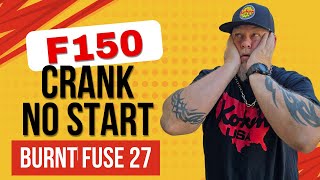
🎬 Watch: How to identify and fix a burnt fuel pump fuse.A very common issue on 2009-2014 F-150s is for the 20-amp fuel pump fuse (Fuse #27) in the under-hood fuse box to overheat and melt its plastic housing and terminals. This causes an intermittent or total loss of power to the fuel pump, leading to a crank-but-no-start condition or sudden stalling that can easily be mistaken for a bad ECM. The official fix is to install a fuse relocation kit (Ford part number EL3Z-14293-A) which moves the circuit to a more robust, higher-capacity slot in the fuse box.
Buying a Used Engine Control Module

Purchasing a used OEM ECM is a cost-effective option, but there are critical rules you must follow. A used ECM is not a plug-and-play part and will not start your vehicle without proper procedures.
- Match the Part Number: The most important step is to match the OEM part number on your original ECM. The primary number will be in the format DL3A-12A650-XX. While the base number (DL3A-12A650) should match, the last two letters are revision codes. Many different suffix codes are interchangeable, but you must verify compatibility with the seller.
- Physical Inspection: When you receive the used module, inspect it carefully. Look for any signs of corrosion on the case or pins, bent pins, or evidence that the case has been opened. Do not install a module that shows signs of water or physical damage.
- Programming is NOT Optional: A used ECM is just a metal box until it is programmed. It must be programmed to your truck's Vehicle Identification Number (VIN) and configured for its specific equipment (axle ratio, tire size, etc.). More importantly, it must undergo a security relearn process to work with your truck's anti-theft system and keys.
Programming and Immobilizer Requirements
This is the most critical part of replacing the ECM. Failure to follow the correct procedure will result in a no-start condition and a flashing theft light on the dashboard.
The 2013-2014 F-150 uses Ford's Passive Anti-Theft System (PATS). The ECM, Body Control Module (BCM), and your ignition keys are all linked together. When you install a new or used ECM, this link is broken and must be re-established.
- Parameter Reset: A procedure called a "Parameter Reset" must be performed with a compatible diagnostic tool. This tells the vehicle's other modules to accept the new ECM. This process involves a mandatory 10-minute security wait.
- Two Keys are Required: To complete the PATS key relearn process after the parameter reset, you MUST have two separate, already-programmed keys for the vehicle. If you only have one key, you will not be able to complete the process, and the truck will not start.
- Who Can Program the ECM?
- Ford Dealership: A dealer can always perform the programming using their factory IDS or FDRS scan tool.
- Independent Shops: Many independent auto repair shops have professional-grade scan tools (like Autel or Snap-on) or J2534 pass-thru devices that can perform the parameter reset and key relearn.
- Automotive Locksmiths: A well-equipped locksmith can typically handle the PATS key programming portion of the job.
- Mail-In Services: Some companies sell used or remanufactured ECMs that are "pre-programmed" to your VIN. While this handles the vehicle configuration, you will still likely need a locksmith or shop to perform the final on-vehicle PATS parameter reset and key relearn.
Pro Tip: The easiest and often most reliable option for a DIYer is a "Repair and Return" service. You send your original ECM to a company that repairs it and sends it back. Because all of your original programming and security information is retained, the module is truly plug-and-play when you get it back, requiring no additional programming.
Cost Comparison for ECM Replacement
The cost to replace the ECM can vary dramatically based on the part source and labor for programming.
| Part/Service | Estimated Cost | Notes |
|---|---|---|
| New OEM ECM | $550 - $900+ | Part only. Does not include programming. |
| Remanufactured ECM | $150 - $400 | Part only. Typically requires programming. |
| Used OEM ECM | $80 - $200 | Part only. Requires programming. Sourced from a salvage vehicle. |
| Repair & Return Service | $165 - $350 | Your original module is repaired. Usually requires no additional programming. |
| Shop Labor (Physical Swap) | $90 - $140 | The physical replacement is quick, estimated at around 1 hour of labor. | 🎬 See this walkthrough on how to remove your engine computer.
| Shop/Dealer Labor (Programming) | $150 - $400 | Typically 1-2 hours of labor. Includes parameter reset and key relearn. |
Frequently Asked Questions (FAQ)

Can I install a used ECM myself to save money?
You can physically install the module yourself, as it is easily accessible in the engine bay on the passenger-side firewall. However, the truck will not start until the module is professionally programmed to your vehicle's VIN and security system.
My truck cranks but won't start. Is it the ECM?
While it could be the ECM, it is much more likely to be the common Fuse 27 issue described in TSB 15-0137. Before spending money on an ECM, inspect the 20A fuel pump fuse in the under-hood fuse box for any signs of melting or overheating. This is a very common and much cheaper repair.
What is a "parameter reset" and why is it necessary?
A parameter reset is a security procedure performed with a diagnostic scan tool. It forces the various computers in your truck (ECM, BCM, Instrument Cluster) to communicate and establish a new security handshake. Without this step, the other modules will reject the new ECM as a foreign part, and the anti-theft system will prevent the engine from starting.
Do I need new keys when I replace the ECM?
No, you do not need new keys, but you absolutely must have at least two existing, working keys to reprogram to the new ECM. The system requires two keys to be cycled in the ignition to prove ownership and complete the security relearn process. If you only have one key, you will need to have a second key made and programmed before or during the ECM replacement.
Helpful Videos
Technical Specifications
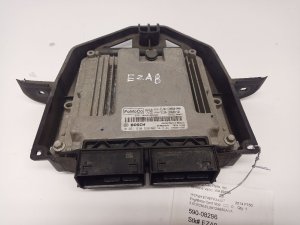
OEM Part Numbers: DL3A-12A650-LG DL3A12A650GE DL3A12A650GF DL3A12A650GG DL3A12A650GH DL3A12A650HE DL3A12A650HF DL3A12A650HG DL3A12A650HH DL3A12A650JE DL3A12A650JF DL3A12A650JG DL3A12A650JH DL3A12A650KE DL3A12A650KF
Location: Engine bay, passenger side firewall. Connectors: Three large multi-pin electrical connectors.
We Have This Part in Stock




The information in this article is provided for general reference and educational purposes only. Vehicle specifications, procedures, and part compatibility can vary by production date, trim level, and region. Always consult your vehicle's factory service manual and verify part numbers before purchasing or performing repairs. Safety-critical components such as airbags, seat belts, and braking systems should be installed by a qualified professional.
- Ford F-150:
- 🎬 Helpful Videos
- 🛍️ Shop This Part
- Symptoms of a Failing ECM
- Known Issues, Recalls, and Technical Service Bulletins (TSBs)
- Safety Recall: Sudden Unintended Downshift
- TSB 15-0137: Fuel Pump Fuse #27 Melts
- Buying a Used Engine Control Module
- Programming and Immobilizer Requirements
- Cost Comparison for ECM Replacement
- Frequently Asked Questions (FAQ)
- 🎟️ Get 5% Off