

2007 Ford F-150 5.4L ECM: Why Failed Ignition Coils Can Destroy It
This guide covers the critical link between ignition coils and ECM failure in the 2007 Ford F-150, and explains the essential programming required for replacement.
- A failed ignition coil can destroy the ECM. If you have codes P0351-P0358, you MUST replace all coils and plugs with the ECM.
- This part is NOT plug-and-play. It requires programming to the vehicle's anti-theft system (PATS) to start the engine.
- Programming can be done by a dealer, some locksmiths, or by purchasing a pre-programmed unit online.
- Always match the part number from your original ECM's sticker exactly when sourcing a replacement.
Symptoms of a Failing ECM

A bad ECM can cause a wide range of problems that might seem unrelated. Because it controls so many systems, a failure can be difficult to diagnose. Look for these common warning signs.
Engine Performance Problems
The most obvious symptoms relate to how the engine runs. You might experience a no-start condition where the engine cranks but won't fire up. Other common issues include stalling for no reason, rough idling, engine hesitation, misfires, or a sudden loss of power while driving. You may also notice a significant and sudden drop in fuel economy.
Transmission and Electrical Issues
The ECM also communicates with the transmission. A faulty module can lead to harsh, erratic, or delayed shifting between gears. In some cases, the truck may go into "limp mode," where performance is severely restricted to prevent further damage. You might also notice that your OBD-II scanner cannot communicate with the vehicle, which can point directly to a problem with the ECM itself.
Common Diagnostic Trouble Codes (DTCs)
A check engine light is a common symptom. While many codes can be triggered by a bad ECM, some are more specific than others:
- P0600-P0606: These codes directly relate to internal processor faults within the ECM.
- U0100: This code means "Lost Communication With ECM/PCM," indicating other modules on the vehicle can't get a signal from the engine computer.
- P0351-P0358: These codes indicate a malfunction in the ignition coil primary or secondary circuit for a specific cylinder. While this points to a bad coil, it is a major red flag for potential ECM damage in these trucks. 🎬 Watch: Diagnostic walkthrough for ignition coil primary circuit codes.
Warning: A very common cause of ECM failure on the 2007 F-150 with the 5.4L engine is a shorted ignition coil. A bad coil-on-plug can send a voltage spike back to the ECM, frying the internal driver circuit for that coil. If you find any codes from P0351 to P0358, you must replace all 8 ignition coils and spark plugs when you replace the ECM. Failure to do so will cause the new ECM to fail immediately.
Known Issues, TSBs, and Recalls

As of early 2026, there are no specific safety recalls from the NHTSA for the Engine Control Module on the 2007 Ford F-150. The recalls that do exist for this model year pertain to other components like fuel tanks or aftermarket headlights.
There is a Technical Service Bulletin (TSB) for an enhanced PCM calibration for trucks modified by Roush with a supercharger, but this does not apply to standard vehicles. The most significant known issue, widely reported by technicians and owners, is the pattern of ignition coil failures causing permanent damage to the ECM, as described above.
Programming, Flashing, and Anti-Theft (PATS)

This is the most important part of replacing your ECM. You cannot simply swap a used or new ECM into your truck and expect it to work. The ECM is tied to the vehicle's security system, known as the Passive Anti-Theft System (PATS).
Warning: A replacement ECM must be programmed to your vehicle's specific Vehicle Identification Number (VIN) and security information. If this is not done, the truck will not start.
You have several options for programming:
- Ford Dealership: A dealer can program a new or used ECM to your truck using their proprietary IDS software. This is the most straightforward but often the most expensive option.
- Automotive Locksmith / Independent Shop: Many independent shops and specialized automotive locksmiths have the tools (like high-end scan tools or FORScan) to perform the PATS parameter reset and program the ECM to the vehicle. This can be more affordable than a dealer.
- Pre-Programmed Modules: Several online vendors sell remanufactured ECMs that are pre-programmed to your truck's VIN before they are shipped. Some of these services may include a pair of new, pre-programmed keys. With these, installation can be as simple as a "key cycling" procedure in your driveway.
- Cloning Service: If your original ECM still communicates, you can send it to a service that will clone the data (including VIN and PATS info) onto a replacement module. The returned module is then a true plug-and-play solution.
Buying a Used Engine Control Module
Buying a used OEM ECM is a great way to save money, but you must be careful. Here's what to look for:
- Match the Part Number EXACTLY: Ford used many different ECMs for various engine, transmission, and drivetrain combinations. The part number on the sticker of the replacement module must match your original module. Even a single letter difference can mean it won't work. The part numbers for this application often start with '7L3A'.
- Have a Programming Plan: Do not buy a used ECM without first knowing who will program it and how much it will cost. A cheap ECM is useless if you can't get it programmed.
- Inspect for Damage: Check the module for any signs of physical damage, corrosion, or water intrusion, especially around the connectors.
- Buy from a Reputable Source: Purchase from a seller who offers a warranty and can confirm the module is in good working condition.
Pro Tip: When you remove your old ECM, take a clear picture of the sticker that contains the part number and calibration code. This is your best reference for finding a compatible replacement.
Cost Breakdown
Prices can vary based on your location and the specific services you need. The costs below are estimates as of early 2026.
| Part or Service | Estimated Cost |
|---|---|
| New OEM (Remanufactured from Dealer) | $380 - $600 + Core Charge |
| New Aftermarket | $350 - $500 |
| Used OEM | $75 - $250 (module only) |
| Remanufactured (Pre-Programmed Online) | $300 - $450 |
| Repair Service (for your original module) | $225 - $300 |
| Shop Labor (Installation & Programming) | $150 - $300 |
Frequently Asked Questions (FAQ)
Do I absolutely have to program the new ECM?
Yes. Due to the Ford PATS anti-theft system, a replacement ECM will not allow the engine to start until it has been electronically paired with your vehicle's keys and instrument cluster. There is no way to bypass this step.
Can I do the programming myself?
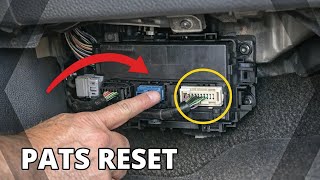
It is possible for a skilled DIYer, but it requires specific hardware and software. You would need a compatible OBD-II adapter (like an OBDLink EX) and a software license for FORScan. The process involves performing a "PATS Parameter Reset," which has a mandatory 10-minute security wait and requires you to have at least two programmed keys. For most people, it's easier to have a professional handle the programming.
🎬 Watch: How to perform a PATS reset using FORScan.My truck was running fine, then just died. Could it be the ECM?
Yes. Sudden failure is a common symptom. It can be caused by an internal component failure, a voltage spike from the charging system, or a shorted sensor or actuator. A common cause on the 5.4L V8 is a failed ignition coil sending a voltage surge back to the ECM.
Where is the ECM located on a 2007 F-150?
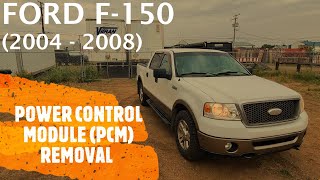
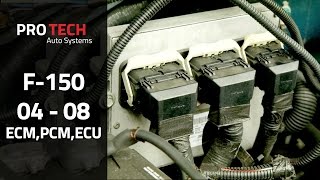
The ECM is located in the engine bay, on the passenger side firewall. It is a silver metal box with several large electrical connectors and is typically held in place by a few bolts.
🎬 See this step-by-step guide for replacing the ECM.Helpful Videos

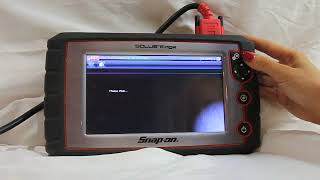
Technical Specifications
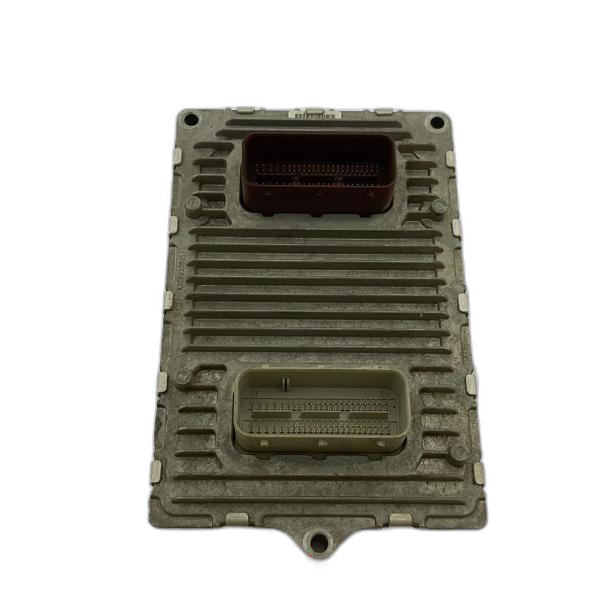
OEM Part Numbers: 7L3A12A650EEB 7L3A12A650EEC 7L3Z12A650EEC 7L3Z-12A650-GKE 7L3A-12A650-HFA 7L3A-12A650-HFB 7L3A-12A650-HFC 7L3A-12A650-EXA 7L3A-12A650-EXB 7L3A-12A650-EXC 7L3A-12A650-EXD 7U7A-12A650-FUA
This ECM is specifically for a 2007 Ford F-150 with a 5.4L V8 Flex Fuel engine, rear-wheel drive (4x2), and an automatic transmission. Compatibility is critical and must be verified by part number.
We Have This Part in Stock





The information in this article is provided for general reference and educational purposes only. Vehicle specifications, procedures, and part compatibility can vary by production date, trim level, and region. Always consult your vehicle's factory service manual and verify part numbers before purchasing or performing repairs. Safety-critical components such as airbags, seat belts, and braking systems should be installed by a qualified professional.
- Ford F-150:
- 🎬 Helpful Videos
- 🛍️ Shop This Part
- Symptoms of a Failing ECM
- Engine Performance Problems
- Transmission and Electrical Issues
- Common Diagnostic Trouble Codes (DTCs)
- Known Issues, TSBs, and Recalls
- Programming, Flashing, and Anti-Theft (PATS)
- Buying a Used Engine Control Module
- Cost Breakdown
- Frequently Asked Questions (FAQ)
- 🎟️ Get 5% Off