

2004 Ford F-150 Heritage 4.6L ECM: The Critical '4L3A-HB' Module Explained
This guide covers the unique Engine Control Module for the 2004 F-150 Heritage, including programming requirements, common failures, and how to buy the right used part.
- This ECM is ONLY for the 2004 Ford F-150 Heritage (old body style) with a 4.6L V8, automatic transmission, and RWD.
- A replacement ECM (new, used, or remanufactured) MUST be programmed to the vehicle by a dealer or locksmith to start the engine due to the PATS anti-theft system.
- When buying used, you must match the engineering ID '4L3A-HB' from the sticker on your original module.
- Water intrusion from a leaking windshield or cowl is a primary cause of failure for these modules.
A Critical Distinction: 2004 Heritage vs. 2004 New Body Style
Warning: The year 2004 was a transition year for the Ford F-150, with two different models sold simultaneously. This Engine Control Module (ECM) fits ONLY the 2004 F-150 Heritage model, which retained the older 1997-2003 body style. It is specifically for trucks with the 4.6L V8 engine, an automatic transmission, and rear-wheel drive (4x2). It will NOT work in the redesigned 'new body style' 2004 F-150, which uses a completely different electrical system and engine (typically the 5.4L 3V V8). Always verify your truck is a Heritage model before purchasing this part.
Symptoms of a Failing ECM
When the ECM begins to fail, it can cause a wide range of confusing and seemingly unrelated problems. Because the ECM controls so many systems, its failure can mimic other issues. Here are the most common signs that your F-150 Heritage's ECM may be faulty:
- Check Engine Light: The check engine light may illuminate, often with codes related to the ECM itself (such as P0600-P0606) or multiple, random sensor codes. In some cases, the light may flash or turn on and off intermittently.
- No-Start or Hard Starting: The truck may crank but refuse to start, or take an unusually long time to fire up. This happens when the ECM fails to command the fuel injectors or ignition coils to work.
- Engine Stalling: The engine may stall unexpectedly while driving and may or may not restart immediately. This can be a serious safety issue.
- Poor Engine Performance: You might notice a sudden drop in fuel economy, rough idling, engine hesitation, or a general lack of power.
- Erratic Shifting: The automatic transmission may shift harshly, at the wrong times, or not at all, as the ECM plays a key role in transmission control.
- Inability to Communicate with Scan Tool: If an OBD-II scanner cannot connect to the vehicle's computer, it's a strong indicator that the ECM itself has failed.
Known Issues: Water Intrusion
A leading cause of ECM failure in this generation of F-150 is water damage. Leaks from the windshield seal or the cowl area can allow rainwater to drip directly onto the ECM and its connectors, which are typically located on the passenger-side firewall in the engine bay. This moisture causes corrosion on the internal circuit board and the connector pins, leading to short circuits and eventual failure. If you are experiencing ECM-related symptoms, especially after heavy rain, inspect the module and its wiring for any signs of water, rust, or green/white corrosion.
Programming, Keys, and Anti-Theft
Critical: You cannot simply install a replacement ECM and start the truck. The module must be programmed to your specific vehicle to function.
The 2004 F-150 Heritage is equipped with Ford’s Passive Anti-Theft System (PATS), also called SecuriLock. This system uses a transponder chip inside your ignition key that communicates with the vehicle's anti-theft module and the ECM. When you install a replacement ECM, it does not recognize your existing keys, and the PATS will immobilize the engine, preventing it from starting.
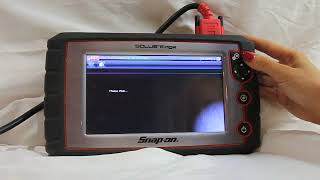
To make a replacement ECM work, it must undergo a procedure called a "Parameter Reset." This tells the vehicle's other modules to accept the new ECM. After the reset, your keys must be programmed to the new module. 🎬 Watch: Understanding the Ford PATS key relearn and programming procedure. This process requires specialized diagnostic tools, such as the Ford IDS (Integrated Diagnostic System), and cannot be done by most DIY mechanics.
Who can program the ECM?
- Ford Dealership: This is the most reliable option. They have the correct tools and software to perform the parameter reset and key relearn procedure.
- Automotive Locksmith: Many professional locksmiths have advanced scan tools that can program Ford keys and modules. They are often a more affordable alternative to the dealer.
- Mobile Mechanics & Independent Shops: Some independent shops that specialize in diagnostics may have the necessary equipment. Be sure to ask specifically if they can perform a PATS parameter reset on a 2004 Ford.
Some online sellers offer pre-programmed ECMs where you provide your Vehicle Identification Number (VIN) beforehand. While this can simplify the process, a key relearn procedure on-site by a locksmith or dealer is almost always still required due to the PATS.
Buying a Used Engine Control Module (ECM)
A used OEM ECM is often a reliable and cost-effective alternative to an expensive new unit. When purchasing a used module, follow these guidelines to ensure you get the right part.
- Confirm the Body Style: First and foremost, make sure your truck is a 2004 F-150 Heritage (old body style).
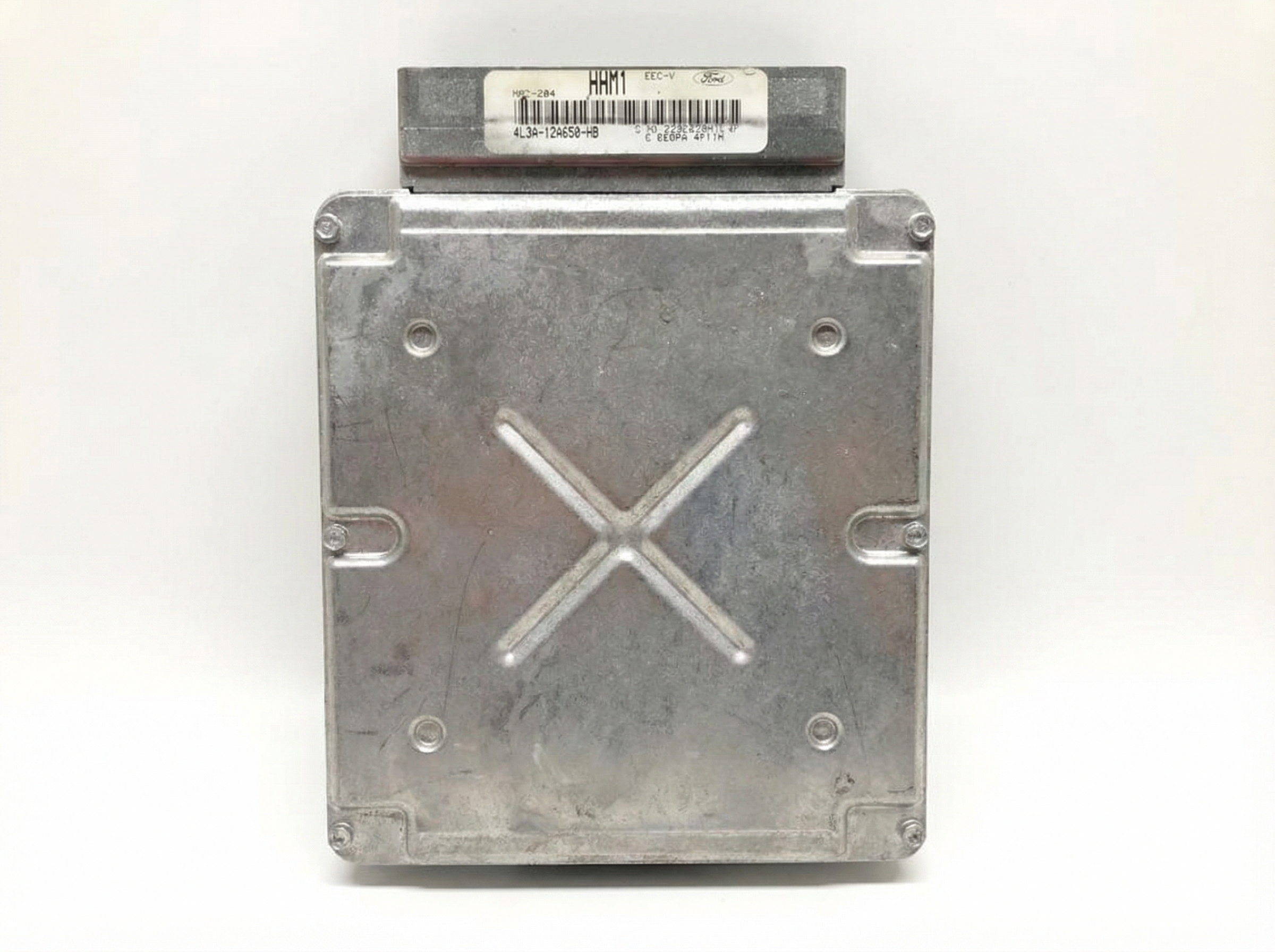
- Match the ID Number: The most critical step is to match the engineering ID number on your original ECM. Look for the large print on the sticker. For this specific application, the ID you need to match is '4L3A-HB'. While the OEM part number (e.g., 4L3A-12A650-HB or 4L3Z-12A650-HB) is useful, the engineering ID is the key to compatibility.
- Verify Engine and Drivetrain: This module is for the 4.6L V8 engine with an automatic transmission and rear-wheel drive (4x2). It will not work for 5.4L engines, manual transmissions, or 4x4 models.
- Inspect for Damage: When you receive the used ECM, inspect the case for any signs that it has been pried open. Check the connector pins carefully for any corrosion, bending, or water damage. Do not install a module that shows signs of physical damage or moisture intrusion.
Cost Comparison for a 2004 F-150 Heritage ECM
| Part Type | Estimated Cost | Notes |
|---|---|---|
| New OEM | $500 - $800+ | May be difficult to find new. Price does not include programming. |
| Remanufactured | $230 - $400 | A common option where your original unit is repaired or you buy a rebuilt one. Often requires programming. |
| Used OEM | $75 - $200 | Most cost-effective option. Sourced from a salvage vehicle. Always requires programming. |
| Shop Labor (Programming) | $150 - $350 | Cost for a dealer or locksmith to perform the parameter reset and key relearn. |
Frequently Asked Questions (FAQ)
Will my truck start after I plug in a used ECM?
No. Due to the Ford PATS anti-theft system, the engine will be immobilized until the replacement ECM is professionally programmed to your vehicle and keys.
Do I need to match the VIN or mileage on the used ECM?
No. The mileage is stored in the instrument cluster, not the ECM. The vehicle's VIN will be written to the replacement ECM during the programming process, so it does not need to match beforehand.
What is the difference between part numbers 4L3A-12A650-HB and 4L3Z-12A650-HB?
The number 4L3A-12A650-HB is the original engineering number. The number 4L3Z-12A650-HB is the Ford service part number used for replacements. They are generally interchangeable as long as the engineering ID '4L3A-HB' matches.
Can I program the ECM myself?
It is not feasible for most DIY mechanics. Programming requires expensive, specialized hardware (like a VCX Nano) and a software subscription to Ford's diagnostic system (IDS/FDRS). It is much more practical to have a dealer or qualified locksmith perform the service.
My truck won't start when it rains. Is it the ECM?
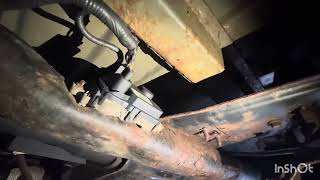
It's a very strong possibility. Water leaking onto the ECM is a well-documented problem on these trucks that causes a no-start condition in damp weather. Other potential causes for this symptom include a faulty Fuel Pump Driver Module (FPDM), which is also susceptible to moisture damage.
🎬 See how to replace a faulty Fuel Pump Driver Module.Helpful Videos
Technical Specifications
OEM Part Numbers: 4L3A-12A650-HB 4L3Z-12A650-HB
Engineering ID: 4L3A-HB. Fits 2004 F-150 Heritage with 4.6L V8, Automatic Transmission, 4x2 (Rear Wheel Drive).
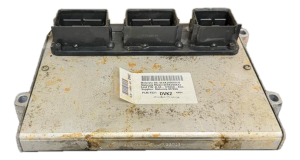
We Have This Part in Stock




The information in this article is provided for general reference and educational purposes only. Vehicle specifications, procedures, and part compatibility can vary by production date, trim level, and region. Always consult your vehicle's factory service manual and verify part numbers before purchasing or performing repairs. Safety-critical components such as airbags, seat belts, and braking systems should be installed by a qualified professional.
- Ford F-150:
- 🎬 Helpful Videos
- 🛍️ Shop This Part
- A Critical Distinction: 2004 Heritage vs. 2004 New Body Style
- Symptoms of a Failing ECM
- Known Issues: Water Intrusion
- Programming, Keys, and Anti-Theft
- Buying a Used Engine Control Module (ECM)
- Cost Comparison for a 2004 F-150 Heritage ECM
- Frequently Asked Questions (FAQ)
- 🎟️ Get 5% Off