

2020-2024 Explorer & Police Interceptor Utility ECM: Problems, Programming, and Replacement
Diagnosing and replacing the engine computer in your 2020-2024 Ford Explorer or Police Interceptor Utility requires mandatory programming to avoid a no-start situation.
- This ECM absolutely requires programming to the vehicle's VIN and anti-theft system; it is not a plug-and-play part.
- Always match the OEM part number exactly to ensure compatibility with your 3.3L non-hybrid engine.
- Symptoms of failure are broad, including no-start, stalling, poor performance, and multiple unrelated error codes.
- Before buying a replacement, confirm you have a Ford dealer or a qualified independent shop ready to perform the programming.
Symptoms of a Failing ECM

A failing ECM can cause a wide variety of confusing symptoms that may seem unrelated. Because the ECM controls so many different systems, a fault within the module can manifest as poor performance, strange electrical behavior, or a vehicle that won't start at all. Diagnosing a bad ECM is often a process of elimination after checking all related sensors, wiring, and power/ground connections.
- Check Engine Light: This is the most common symptom. The light may be on constantly, or it may flash. Often, you'll find multiple, seemingly unrelated trouble codes stored in the system.
- Engine Performance Issues: You may experience stalling, rough idling, engine misfires, hesitation, or a sudden loss of power while driving.
- No-Start or Hard-Start Condition: Since the ECM controls both fuel and spark, a faulty module can prevent the engine from starting, even though it cranks over. In some cases, it can also cause a no-crank condition if it's tied into the anti-theft system.
- Poor Fuel Economy: If the ECM is not correctly managing the air-fuel mixture, your vehicle's fuel efficiency can drop suddenly.
- Transmission Shifting Problems: The ECM communicates with the transmission control module to ensure smooth shifting. A bad ECM can lead to harsh, erratic, or delayed shifting.
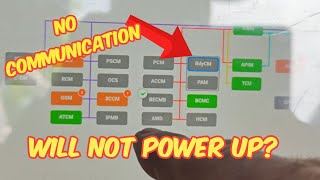
- Communication and Electrical Faults: Diagnostic scan tools may be unable to communicate with the ECM. You may also see various communication error codes, typically starting with a 'U' 🎬 Watch: Troubleshooting a Ford Explorer with no ECM communication (e.g., U0100 - Lost Communication With ECM/PCM).
Common Diagnostic Trouble Codes (DTCs)
While many codes can point to an ECM issue, some are more direct indicators than others:
- P0600-P0607: These codes relate to internal control module processing errors. A code like P0606 (ECM/PCM Processor Fault) is a strong indicator of internal failure.
- U0100: This code means communication has been lost with the ECM/PCM, which could be a wiring issue or a failed module.
- Multiple Unrelated Codes: If you have codes for several different sensors (e.g., oxygen sensor, throttle position sensor, mass airflow sensor) all at once, it may not be the sensors themselves, but the ECM that is failing to read them correctly.
Known Issues and Recalls

While there are no widespread recalls specifically for ECM failure on the 3.3L non-hybrid engine, owners should be aware of related issues that involve ECM/PCM software updates.
- NHTSA Campaign 23V033 (and subsequent investigation 23012): This recall addresses a rear axle bolt that can fracture on 2020-2022 Explorers and Police Interceptor Utilities (including 3.3L gas models). The initial fix was a PCM software update that automatically applies the electronic parking brake if the driveshaft fails, to prevent a rollaway. However, some owners reported erratic vehicle behavior after the update, prompting a further NHTSA investigation.
- Police Interceptor Utility Engine Failures (2020-2022 3.3L): A recall was issued for some Police Interceptor Utility vehicles due to catastrophic engine failures where connecting rods could break. While the root cause was not definitively identified, the remedy under development is expected to include a PCM software update to add connecting rod bearing failure detection. This issue appears specific to the severe-duty use of police vehicles.
Warning: Many issues on modern vehicles are resolved with software updates. Before replacing the ECM, ensure a qualified technician has checked for any available Technical Service Bulletins (TSBs) or software flashes that might resolve your symptoms.
Buying a Used Engine Control Module: What You Must Know

Buying a used ECM is a great way to save money, but it is not a simple plug-and-play part. Failure to follow the correct procedure will result in a vehicle that does not start.
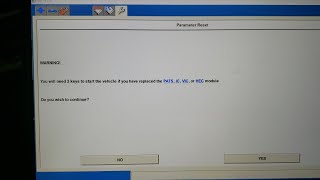
🎬 Watch this walkthrough if your car won't start after installation- Programming Is Mandatory: A used or new ECM must be programmed to your specific vehicle. The module is linked to the vehicle's anti-theft system (Ford's PATS - Passive Anti-Theft System). If the ECM is not programmed with your vehicle's VIN and security key information, the anti-theft system will activate and prevent the engine from running.
- Match the Part Number Exactly: The most critical factor for compatibility is the OEM part number on the module's sticker. While there can be several compatible part numbers, you must verify that the one you are buying is correct for your vehicle's year, engine, and options. The provided part numbers LB5A12A650GA, LB5A12A650GB, LB5Z-12A650-BANP, and LB5Z12A650GANP are specific to the 2020-2024 Explorer and Police Interceptor Utility with the 3.3L non-hybrid engine.
- Plan for Programming Before You Buy: Do not purchase a used ECM until you have a confirmed plan for programming it. This typically requires:
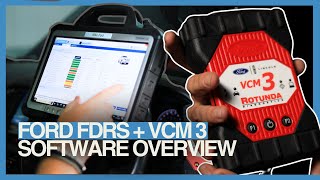
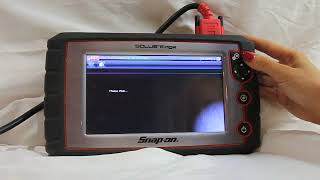
- A Ford dealership with their proprietary IDS or FDRS diagnostic software. 🎬 See a step-by-step guide on using Ford FDRS software
- A qualified independent repair shop that has a J2534 pass-thru device and a subscription to the Ford service portal.
- Some advanced automotive locksmiths may also have the tools to perform this service.
- Physical Inspection: When buying a used module, inspect it for any signs of physical damage. Look for corrosion on the connector pins, cracks in the casing, or any indication that it has been exposed to water, which can cause internal damage.
Pro Tip: Some online vendors sell remanufactured ECMs that are pre-programmed to your vehicle's VIN. You provide them with your VIN when ordering, and they flash the module before shipping it to you, potentially making the installation process much simpler.
ECM Replacement Cost Comparison

Prices can vary significantly based on the source of the part and local labor rates. Programming costs are often included in the labor estimate when performed at a shop.
| Part Source | Estimated Part Cost | Notes |
|---|---|---|
| New OEM | $550 - $1,100 | Purchased from a Ford dealership. Carries a full warranty but is the most expensive option. |
| Remanufactured | $250 - $500 | An original unit that has been rebuilt and tested. Often requires a 'core charge' until you return your old module. |
| Used OEM | $150 - $400 | A functional unit from a recycled vehicle. The most cost-effective option, but programming is essential. |
| Shop Labor & Programming | $150 - $300 | Typically 1-2 hours of labor. The physical swap is quick, but the programming and key relearn process takes time. |
Frequently Asked Questions (FAQ)
Do I have to get my ECM programmed at a Ford dealer?
No, but it is often the most straightforward option. Many well-equipped independent auto repair shops and some specialized automotive locksmiths have the necessary tools and software subscriptions (like Ford's FDRS) to program a new or used ECM to your vehicle. Always confirm they can perform the 'module initialization' or 'PATS key relearn' for your specific model year before proceeding.
Will a used ECM from a 2021 Police Interceptor Utility work in my 2023 Explorer?
It might, but only if the OEM part number is an exact match or a verified superseded number for your vehicle's specific build. Both vehicles must have the 3.3L non-hybrid engine. Even with a matching part number, it will still require complete reprogramming to function in your Explorer.
What's the difference between an ECM and a PCM?
The terms are often used interchangeably. ECM stands for Engine Control Module, while PCM stands for Powertrain Control Module. In most modern vehicles, including these Fords, a single module (the PCM) controls both the engine and the transmission. So, for this application, the part is technically a PCM, but it is commonly called an ECM.
Can a bad ECM cause my car to fail an emissions test?
Yes, absolutely. The ECM is responsible for managing the vehicle's emissions control systems. A malfunctioning ECM can lead to a rich or lean fuel mixture, causing the vehicle to fail an emissions test and often illuminating the Check Engine Light.
Helpful Videos
Technical Specifications
OEM Part Numbers: LB5A12A650GA LB5A12A650GB LB5Z-12A650-BANP LB5Z12A650GANP LB5A-12A650-BGC
Engine Control Module for vehicles with a 3.3L Port Fuel Injected (PFI) non-hybrid V6 engine.
We Have This Part in Stock



The information in this article is provided for general reference and educational purposes only. Vehicle specifications, procedures, and part compatibility can vary by production date, trim level, and region. Always consult your vehicle's factory service manual and verify part numbers before purchasing or performing repairs. Safety-critical components such as airbags, seat belts, and braking systems should be installed by a qualified professional.
- Ford Explorer:
- Ford Police Interceptor Utility: