

2004 Ford Explorer ECM: Solving No-Start Issues and PATS Programming
This guide explains why a replacement Engine Control Module (ECM) must be professionally programmed and how it links to your Explorer's anti-theft system.
- A replacement ECM for a 2004 Explorer MUST be programmed to the vehicle's anti-theft system (PATS) to start the engine.
- Programming requires special tools and must be done by a Ford dealer, or a properly equipped locksmith or independent shop.
- Common failure symptoms include a no-start condition, a check engine light with multiple strange codes, and engine stalling.
- To simplify replacement, you can buy a remanufactured ECM online that comes pre-programmed with a new set of keys.
- Always match the part number from your original ECM to the replacement unit to ensure compatibility.
Symptoms of a Failing 2004 Ford Explorer ECM
A faulty Engine Control Module can cause a wide range of confusing and severe symptoms. Because the ECM controls so many different functions, its failure can mimic other problems. Here are the most common signs that your Explorer's ECM may be failing:
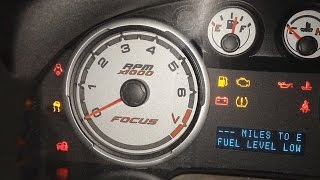
- No-Start or No-Crank: This is one of the most definitive symptoms. You may turn the key and hear a click, but the engine will not crank or turn over at all. In other cases, the engine might crank but will not start because the ECM is not commanding the fuel injectors or ignition coils to fire.
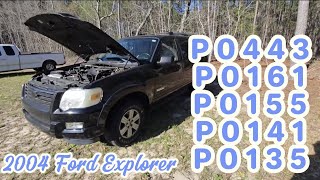
- Check Engine Light: A constant check engine light is a common indicator. Sometimes, a failing ECM will generate a long list of seemingly unrelated trouble codes, often for sensors that are actually working correctly. A known issue is the appearance of multiple oxygen sensor heater circuit codes (P0135, P0141, P0155, P0161) or EVAP codes (P0443) that persist even after replacing the sensors, pointing to an internal ECM fault.
- Engine Stalling or Misfiring: The engine may stall unexpectedly while driving or run very poorly. Symptoms can include rough idling, stuttering, hesitation on acceleration, or a noticeable loss of power.
- Erratic Transmission Shifting: The ECM shares data with the transmission control module. A faulty ECM can send incorrect information, leading to harsh shifting, delayed gear changes, or the transmission feeling like it's slipping.
- Poor Fuel Economy: A sudden, unexplained drop in gas mileage can be a sign that the ECM is no longer managing the air-fuel mixture efficiently.
Known Issues, TSBs, and Recalls
As of early 2026, there are no specific recalls issued by the National Highway Traffic Safety Administration (NHTSA) for the failure of the Engine Control Module on the 2004 Ford Explorer. While some Technical Service Bulletins (TSBs) exist for related systems that involve updating the PCM software, such as for fuel gauge or throttle body issues, there are no bulletins addressing widespread ECM hardware failure. The most significant known issue is not a defect but a design feature: the ECM's integration with the Ford Passive Anti-Theft System (PATS), which makes replacement a complex process.
Critical: The #1 issue with replacing this ECM is the mandatory programming requirement. You cannot simply swap a used module from another vehicle and expect it to work. The engine will not start until the module is programmed to your vehicle's keys and security system.
Understanding PATS Programming
The 2004 Ford Explorer is equipped with Ford's Passive Anti-Theft System (PATS). This system links the ECM, the ignition keys (which have a transponder chip inside), and sometimes the instrument cluster into a single, secured group. When you replace the ECM, this security link is broken. The vehicle will recognize the new module as unauthorized, disable the starter and/or fuel system, and will not start.
To fix this, a procedure called a "Parameter Reset" must be performed. This tells the vehicle's other modules to accept the new ECM. This is not a simple DIY task and requires specialized equipment.
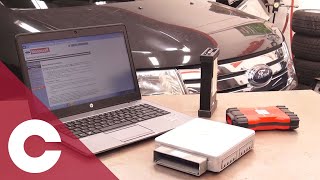
- Tools Required: The parameter reset and key programming procedure requires a professional scan tool with Ford-specific software, such as the Ford Integrated Diagnostic System (IDS) or a high-end J2534 pass-thru device with a subscription to the Ford software. 🎬 Watch: How a professional technician reprograms a Ford PCM. A standard OBD-II code reader cannot perform this function.
- Who Can Program It?: A Ford dealership or a well-equipped independent mechanic or automotive locksmith can program the module. Most DIY mechanics will not have the necessary tools or software subscriptions.
- Keys Needed: A minimum of two unique, programmed keys are required to complete the PATS relearn process after an ECM replacement. If you only have one key, you will need to have a second one cut and programmed at the same time.
Buying a Used 2004 Explorer Engine Control Module
A used OEM module is an excellent, cost-effective choice, provided you understand the programming requirements. Since these are electronic parts with no moving components, a used unit from a reputable recycler is often just as reliable as a remanufactured one.
Inspection and Compatibility
- Match the Part Number: It is crucial to match the Ford engineering or service part number from your original ECM to the replacement. The part number is printed on a sticker on the module's case. Verified part numbers include 4L2A-12A650-ABB, 4L2A-12A650-ABC, and 4U7A-12A650-GLA.
- Physical Inspection: When you receive the used module, inspect the case for any signs of physical damage, like dents or being pried open. Check the electrical connector pins to ensure they are straight, clean, and free of any corrosion, which would indicate water damage.
- Plan for Programming: The most important step is to have a plan for programming *before* you buy. Call local Ford dealers or specialized auto locksmiths to confirm they can program a customer-supplied used ECM for a 2004 Explorer and ask for a price quote. Some shops may refuse to program parts they did not source themselves.
- "Plug and Play" Options: Some online sellers offer remanufactured ECMs that come with two new, pre-programmed keys. With this option, you only need to have the new key blades cut to match your original key, which can be done at any hardware store or locksmith. This bypasses the need for expensive scan tool programming after installation.
Replacement Cost Breakdown
The cost to replace the ECM can vary significantly based on the part source and labor for programming.
| Item | Estimated Cost | Notes |
|---|---|---|
| New OEM | $900+ (if available) | Largely unavailable as a new part. This price reflects estimates for dealer-sourced replacements, which are typically remanufactured. |
| New Aftermarket | $200 - $400 | These are typically remanufactured units from brands like Cardone or Dorman, available through major parts stores. |
| Used OEM | $50 - $150 | Widely available from online sellers and salvage yards. Requires separate programming. |
| Remanufactured (Pre-Programmed) | $180 - $310 | Often sold online, programmed to your VIN. Some include new keys for an extra fee ($80+). |
| Shop Labor (Installation & Programming) | $225 - $500+ | Includes ~0.5-1.0 hour for physical installation and 1-2 hours for programming. Dealer rates are often higher than independent shops or locksmiths. |
Frequently Asked Questions (FAQ)
Can I drive my 2004 Explorer with a bad ECM?
No. If the ECM has failed, the vehicle will likely not start, or it will stall unpredictably, making it unsafe to drive. A complete failure will leave you stranded.
Where is the ECM located on a 2004 Ford Explorer?
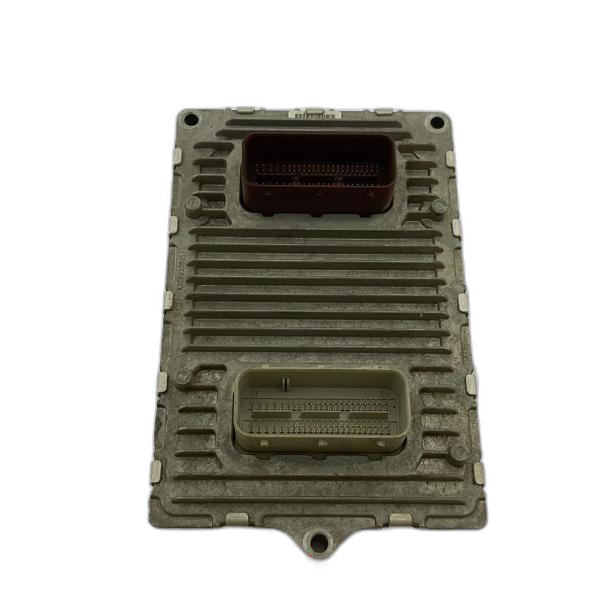
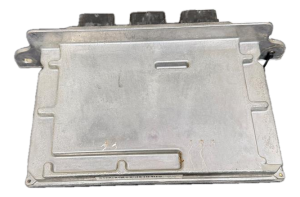
The ECM is located in the engine compartment on the passenger side, mounted to the firewall. It is a silver metal box with three large electrical connectors.
🎬 See this walkthrough for removing and replacing the module.Can I program the new ECM myself?
For most people, the answer is no. Programming requires expensive, professional-grade scan tools and software subscriptions that are not practical for DIY use. The only DIY-friendly option is to purchase a module that comes pre-programmed with a new set of keys.
Why is my anti-theft light flashing after I installed a new ECM?
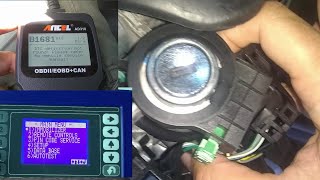
A flashing anti-theft light indicates that the PATS system is activated because it does not recognize the new, unprogrammed ECM. The engine will be immobilized until a parameter reset and key relearn 🎬 Watch: Troubleshooting a flashing anti-theft light and PATS issues. procedure is completed by a professional.
Does the part number on the replacement ECM have to match exactly?
Yes, it is highly recommended to match the part number exactly to ensure compatibility with your vehicle's specific engine, transmission, and options. There are many variations. Using an incorrect module can lead to performance issues or prevent programming altogether.
Helpful Videos

Technical Specifications
OEM Part Numbers: 4L2A12A650ABB 4L2A12A650ABC 4U7A12A650GLA 4U7Z12A650JPD 4L2A-12A650-ABA 4L2A-12A650-ADA 4U7A-12A650-GKA 4U7A-12A650-JPA
The module communicates with the vehicle's Passive Anti-Theft System (PATS). It requires a 'Parameter Reset' and key programming via Ford IDS or equivalent J2534 tool upon installation. At least two programmed keys are necessary for the procedure.
We Have This Part in Stock



The information in this article is provided for general reference and educational purposes only. Vehicle specifications, procedures, and part compatibility can vary by production date, trim level, and region. Always consult your vehicle's factory service manual and verify part numbers before purchasing or performing repairs. Safety-critical components such as airbags, seat belts, and braking systems should be installed by a qualified professional.
- Ford Explorer: