

2002 Ford Explorer Sport ECM: Your Guide to the 2L2A-EC Module and PATS Anti-Theft Programming
This in-depth guide covers the critical compatibility requirements and mandatory anti-theft programming for the unique engine computer found in the 2002 Ford Explorer Sport 2-Door.
- The replacement ECM must have the engineering ID '2L2A-EC' and come from a 2002 Explorer Sport 2-Door with a 4.0L engine and automatic transmission.
- The vehicle will NOT start after installation until the Passive Anti-Theft System (PATS) is reprogrammed by a dealer, locksmith, or with advanced DIY tools.
- PATS reprogramming requires a special 'Parameter Reset' procedure to sync the new ECM with the vehicle's security system and keys.
- Check for the open safety recall (NHTSA 09V399000) for the speed control deactivation switch, which can cause a fire near the ECM wiring.
Critical Compatibility: The 2L2A-EC Module

Warning: Compatibility for this part is extremely specific. This Engine Control Module only fits the 2002 Ford Explorer Sport 2-Door model equipped with a 4.0L V6 engine and an automatic transmission. To ensure you are buying the correct part, the engineering ID number printed on your original module's label MUST be 2L2A-EC. Using an ECM from a 4-door Explorer, an Explorer Sport Trac, or a model with a different engine will not work.
ECM Replacement and Anti-Theft Programming

Replacing the ECM in a 2002 Ford Explorer is not a simple plug-and-play job. The vehicle is equipped with Ford’s Passive Anti-Theft System (PATS), which prevents the engine from starting if the ECM is replaced. After you install a new or used ECM, the engine will crank but will not start, and the theft light on the dashboard may flash rapidly. This is because the replacement ECM is not recognized by the vehicle's anti-theft system.
To make the vehicle run, the PATS system must be reprogrammed. This involves a special procedure called a "Parameter Reset," which tells the vehicle's security module to accept the new ECM. After the reset, at least two of your existing keys must be erased from the system and then reprogrammed into it. You have three main options to get this done:
- Ford Dealer or Automotive Locksmith: This is the most common and reliable method. A dealer or a well-equipped locksmith will have a diagnostic scan tool capable of performing the PATS parameter reset and key relearn procedure.
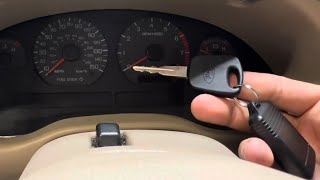
- DIY with FORScan: For advanced DIY mechanics, it is possible to perform the programming yourself using a laptop, a specific OBD-II adapter, and software called FORScan with an extended license. This requires 🎬 Watch: How to perform PATS key programming using FORScan technical skill and carefully following a specific procedure to initialize the module and reprogram the keys.
- PATS-Deleted Module: Some companies sell remanufactured ECMs that have had the PATS system electronically removed. These modules are designed to be plug-and-play, bypassing the need for key reprogramming. While convenient, this does remove a factory anti-theft feature.
Symptoms of a Failing 2002 Explorer ECM

ECM failure can cause a wide range of confusing and intermittent problems. Because the ECM controls so many different systems, symptoms can often be mistaken for other issues.
- Engine Will Not Start: The engine may crank over but fail to start. This can be due to a lack of spark or fuel injector pulse, both of which are controlled by the ECM.
- Intermittent Stalling: The engine may shut off for no reason while driving or idling, sometimes only after it has warmed up.
- Poor Engine Performance: You may experience a noticeable loss of power, poor acceleration, and reduced fuel economy.
- Harsh or Erratic Shifting: The ECM also plays a role in controlling the automatic transmission. A faulty module can cause rough or incorrect gear changes.
- Check Engine Light and Communication Codes: A bad ECM will almost always trigger a Check Engine Light. You may find generic fault codes, but the most telling signs are internal processor fault codes (P0600-P0606) or communication codes (U-codes) that indicate the ECM is not communicating correctly with other modules in the vehicle. In some cases, a damaged PCM can also be a potential cause for other codes, like a P1151.
Known Issues and Recalls

NHTSA Recall 09V399000: Speed Control Deactivation Switch Fire Risk
While not a direct failure of the ECM, a critical safety recall applies to all 2002 Ford Explorers. The speed control deactivation switch, located on the brake master cylinder, can leak brake fluid internally. This can cause the switch to overheat, smoke, or burn, potentially leading to a vehicle fire, even when the engine is off. The remedy from Ford involves installing a fused wiring harness to protect the circuit. It is 🎬 See how to replace the recalled brake deactivation switch crucial to verify if this recall has been performed on the vehicle, as a fire in this area can damage nearby wiring and components, including the ECM harness.
Buying a Used Engine Control Module (ECM)
Purchasing a used OEM ECM is a cost-effective solution, but careful verification is essential.
Pro Tip: The most important step is to match the part number. For this specific application, you must find a module with the engineering ID 2L2A-EC printed on the label.
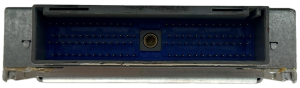
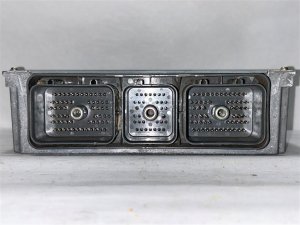
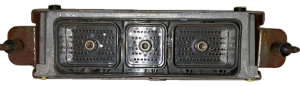
- Physical Inspection: Before purchasing, inspect the module's case for any signs of physical damage or being opened. Pay close attention to the electrical connector pins. They should be straight, clean, and free of any green or white corrosion, which indicates water damage.
- Verify Compatibility: Do not trust that a module from any 2002 Explorer will work. It must be from a 2-Door Sport model with the 4.0L engine and automatic transmission. Cross-referencing the 2L2A-EC ID is the only way to be sure.
- Understand Programming Needs: Remember that a used ECM is not a plug-and-play part. You must factor in the cost and time for PATS reprogramming. The vehicle will be undrivable until this is done.
Replacement Cost Comparison
The cost of replacing the ECM can vary significantly based on the part source and labor for programming.
| Part Source / Service | Estimated Cost |
|---|---|
| New OEM | $500+ (if available) |
| Remanufactured Aftermarket | $200 - $350 + Core Charge |
| Used OEM | $25 - $75 |
| Shop Labor (Physical Swap) | $75 - $150 |
| Shop Labor (PATS Programming) | $130 - $250 |
Frequently Asked Questions (FAQ)
Do I have to take my Explorer to a Ford dealer to replace the ECM?
Not necessarily. While a Ford dealer can always perform the required PATS programming, many independent repair shops and certified automotive locksmiths have the necessary scan tools and software to program a replacement ECM. Be sure to call ahead and confirm they can perform a "PATS Parameter Reset" on a 2002 Ford.
What is the Ford PATS system and why does it matter?
PATS stands for Passive Anti-Theft System. It uses a transponder chip inside your ignition key that communicates with the vehicle's security system. The ECM is a key part of this system. If you install a new ECM, the system doesn't recognize it and prevents the engine from starting as a theft-prevention measure. This is why programming is mandatory.
Can I use an ECM from a 4-door Explorer or an Explorer Sport Trac?
No. The ECM for the 2-door Explorer Sport (ID 2L2A-EC) is unique. Modules from 4-door models or the Sport Trac have different part numbers and are programmed for different vehicle features and specifications. Using the wrong module will result in compatibility issues or a no-start condition.
Where is the ECM located on a 2002 Ford Explorer?
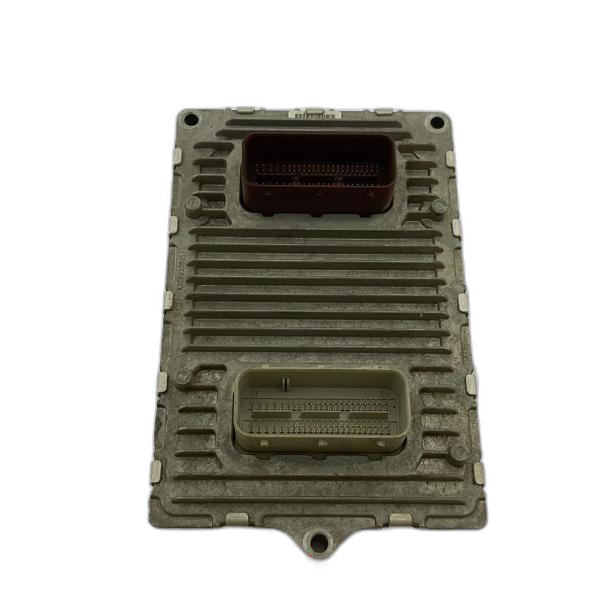
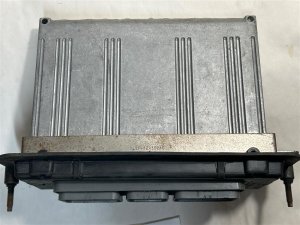
The ECM is typically located in the engine compartment, mounted to the passenger-side firewall. It is a silver metal box with large electrical connectors. The physical replacement involves disconnecting the battery, unplugging these connectors, and unbolting the module from the firewall.
Helpful Videos
Technical Specifications
OEM Part Numbers: 2L2A-12A650-EC 2L2A12A650EC 2L2AEC 2L2Z-12A650-EC
Vehicle application: 2002 Ford Explorer Sport 2-Door, 4.0L SOHC V6 Engine, Automatic Transmission. Anti-theft: Requires Ford PATS programming.
We Have This Part in Stock


The information in this article is provided for general reference and educational purposes only. Vehicle specifications, procedures, and part compatibility can vary by production date, trim level, and region. Always consult your vehicle's factory service manual and verify part numbers before purchasing or performing repairs. Safety-critical components such as airbags, seat belts, and braking systems should be installed by a qualified professional.
- Ford Explorer:
- 🎬 Helpful Videos
- 🛍️ Shop This Part
- Critical Compatibility: The 2L2A-EC Module
- ECM Replacement and Anti-Theft Programming
- Symptoms of a Failing 2002 Explorer ECM
- Known Issues and Recalls
- NHTSA Recall 09V399000: Speed Control Deactivation Switch Fire Risk
- Buying a Used Engine Control Module (ECM)
- Replacement Cost Comparison
- Frequently Asked Questions (FAQ)
- 🎟️ Get 5% Off