

2009-2014 Expedition & 2010-2014 Navigator ECM: Solving Stalls, Misfires, and No-Start Issues
This guide covers the common failure symptoms, critical programming requirements, and replacement costs for the Engine Control Module in the 2009-2014 Ford Expedition and 2010-2014 Lincoln Navigator.
- Programming is mandatory. The vehicle will not start after installation without a PATS 'parameter reset' using a professional scan tool.
- Compatibility is critical. The replacement module must have the ID '9U7A-AB' printed on the label to match the vehicle's hardware.
- A dealer is not the only option for programming; many independent shops and automotive locksmiths can perform the required procedures.
- Symptoms like stalling, misfires, and a no-start condition are common, but always check wiring, grounds, and relays before replacing the ECM.
Symptoms of a Failing ECM
A faulty Engine Control Module can cause a wide variety of symptoms, ranging from minor annoyances to critical failures that leave you stranded. Because the ECM controls so many different systems, its failure can often be misdiagnosed as a problem with another component. If you experience several of these issues at once, the ECM is a likely culprit.
1. Check Engine Light
The most obvious sign is an illuminated Check Engine Light (CEL) on your dashboard. The ECM monitors the engine's systems, and when it detects a fault it can't correct, it stores a Diagnostic Trouble Code (DTC) and turns on the light. While many issues can trigger the CEL, codes specifically related to the ECM's internal circuitry or memory are a direct indication of failure.
2. Engine Performance Problems
You may experience a noticeable decline in performance. This can include engine misfires, rough idling, hesitation during acceleration, stalling, or a sudden loss of power. 🎬 Watch: Troubleshooting stalling issues on the 5.4L Triton engine. These issues occur because the ECM is no longer able to correctly manage the air-fuel mixture or ignition timing.
3. No-Start or Intermittent Starting
A completely failed ECM can result in a no-start condition. The engine may crank but will not fire up because the ECM is not sending signals to the fuel injectors or ignition coils. In other cases, the problem may be intermittent, with the vehicle starting fine one day and refusing to start the next.
4. Poor Fuel Economy
If you notice a sudden and significant drop in your vehicle's gas mileage, it could be due to a faulty ECM. An incorrect air-fuel mixture commanded by a failing module can cause the engine to run rich (too much fuel), wasting gasoline.
5. Automatic Transmission Issues
The ECM works closely with the Transmission Control Module (TCM) to ensure smooth shifting. A bad ECM can send incorrect data, leading to rough or delayed gear shifts in the automatic transmission.
Common Diagnostic Trouble Codes (DTCs)
Using an OBD-II scanner is the best way to start diagnosing a potential ECM issue. While many codes can indicate an ECM problem, here are some common ones associated with these vehicles:
- P0171 / P0174: System Too Lean (Bank 1 / Bank 2). While often caused by vacuum leaks or fuel delivery issues, a faulty ECM can also be the root cause.
- P0300-P0308: Random or specific cylinder misfire detected. A failing ECM may not be firing the ignition coils correctly.
- P0600-P0610 Series Codes: These codes (e.g., P0606 - ECM/PCM Processor Fault) point directly to internal failures within the control module itself, such as memory errors or processor issues.
- P2610: ECM/PCM Internal Engine Off Timer Performance. This code can sometimes appear after reprogramming if procedures are not followed correctly.
- U-Series Codes (e.g., U0100, U0101): These codes indicate a loss of communication between the ECM and other modules on the vehicle's data network, which can be caused by an internal ECM fault.
Pro Tip: Before condemning the ECM, always check the basics first. Ensure the battery is fully charged and the terminals are clean. Inspect the wiring harness going to the ECM for any signs of damage, corrosion, or loose connections. A bad ECM power relay can also mimic a failed module.
Known Issues, TSBs, and Recalls
There are no specific recalls for the ECM on the 2009-2014 Ford Expedition or 2010-2014 Lincoln Navigator. However, several Technical Service Bulletins (TSBs) have been issued for related symptoms that could be misdiagnosed as an ECM failure:
- TSB SSM 47331: Addresses potential upper engine noise, rough running, and misfires in the 5.4L 3V engine, which could mimic ECM-related performance problems.
- TSB ASI-44707: Notes that after reprogramming the PCM, DTCs like P06B8, P068A, and P2610 might appear if the ignition key is not left in the OFF position for at least 30 seconds after the procedure.
- TSB SSM 47797: Pertains to an inoperative or intermittent HVAC blower motor due to a poor electrical connection. While not an engine issue, electrical problems can sometimes lead to a misdiagnosis of the main computer.
Buying a Used Engine Control Module
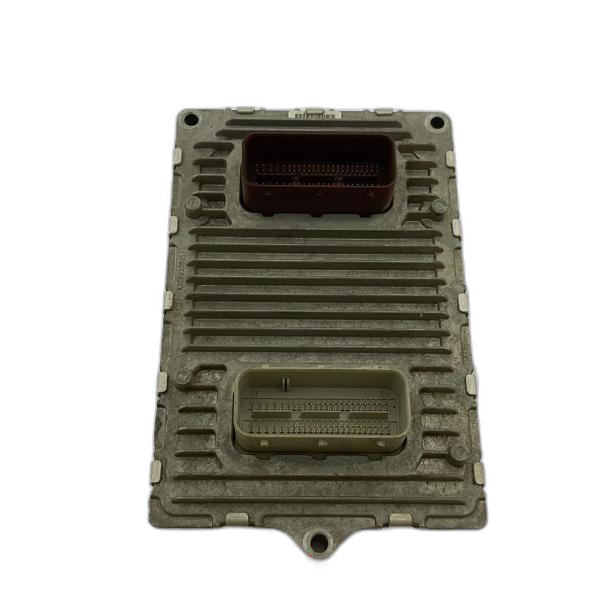
Purchasing a used OEM module is a cost-effective way to get your vehicle back on the road. Unlike generic aftermarket parts, a used OEM unit is designed specifically for your vehicle's complex systems. However, you must verify compatibility carefully.
1. Match the Part Number and ID
The most critical step is to match the OEM part number. The primary part number for this application is 9U7Z-12A650-AB. You may also see the engineering number, 9U7A-12A650-AB, on the unit itself. For guaranteed compatibility, the replacement module must have the hardware identification code '9U7A-AB' printed on its label. Do not install a module with a different ID, even if it looks identical.
2. Physical Inspection
When you receive the used ECM, inspect it carefully. Look for any signs of physical damage to the case or connectors. Check for corrosion or water marks, as moisture intrusion is a common cause of failure. The connector pins should be straight and clean.
3. Why Choose Used OEM?
For a complex electronic part like an ECM, a used OEM module is often superior to a new aftermarket one. Aftermarket units may not communicate properly with other vehicle modules like the ABS or instrument cluster, leading to new, hard-to-diagnose problems. A recycled OEM part is guaranteed to have the correct software and hardware architecture your vehicle expects.
Installation and Programming Requirements
Warning: This module absolutely requires programming to function. It is not a 'plug-and-play' part. If you install it without programming, the engine will not start due to the vehicle's anti-theft system.
🎬 See how the PATS system can cause no-start conditions.The physical replacement of the ECM is straightforward. It is located in the engine bay on the passenger side, near the firewall.
- Disconnect the negative battery terminal.
- Locate the ECM and disconnect the wiring harness connectors.
- Unbolt the ECM from its mounting bracket and remove it.
- Install the replacement ECM, reconnect the harnesses, and reconnect the battery.
Programming the Replacement ECM
After the new module is installed, it must be programmed to your vehicle's specific Vehicle Identification Number (VIN) and, most importantly, synchronized with the Passive Anti-Theft System (PATS).
- PATS Relearn / Parameter Reset: This is the most critical step. The PATS immobilizer system will prevent the engine from starting until the new ECM is recognized. This requires a professional scan tool with Ford-specific capabilities, such as the Ford IDS software. The procedure, often called a 'parameter reset', tells the security system to accept the new ECM.
- Who can program it? A Ford or Lincoln dealership is the most common option. However, many independent auto repair shops and some mobile automotive locksmiths have the necessary tools and subscriptions to perform this programming.
- Can I do it myself? For most DIY mechanics, the answer is no. While some older Ford models had a simple key-cycling procedure, these vehicles require a specialized diagnostic tool to initiate the parameter reset. 🎬 Watch: How to program a used Ford engine computer.
Cost Breakdown
The cost to replace the ECM can vary significantly based on the part source and labor rates. Programming is an additional cost that must be factored in.
| Item | Estimated Cost |
|---|---|
| New OEM Part | $800 - $1,200 |
| Remanufactured Part | $250 - $500 |
| Used OEM Part | $75 - $250 |
| Shop Labor (Installation & Programming) | $100 - $300 |
Frequently Asked Questions (FAQ)
Can I drive my Expedition or Navigator with a bad ECM?
It is not recommended. Depending on the failure mode, you could experience sudden stalling in traffic, unpredictable engine behavior, or damage to other components like the catalytic converters. If the vehicle won't start, you won't be able to drive it at all.
Do I have to go to the dealer for programming?
No, a dealership is not your only option. Many well-equipped independent repair shops and certified automotive locksmiths have the tools and software subscriptions (like Ford IDS) needed to program a replacement ECM and perform the PATS parameter reset.
What is a 'parameter reset' and why is it important?
A parameter reset is a specific function performed with a diagnostic tool that tells the vehicle's other security modules (like the instrument cluster or PATS module) to accept the 'new' ECM. Without this step, the modules will not communicate, and the anti-theft system will prevent the engine from starting.
Will a used ECM affect my vehicle's mileage (odometer)?
No. The odometer reading is stored in the instrument cluster, not the ECM. Swapping the ECM will not change the mileage displayed on your dashboard.
Helpful Videos
Technical Specifications
OEM Part Numbers: 9U7Z-12A650-AB 9U7A-12A650-AB
Module ID must be '9U7A-AB'
We Have This Part in Stock



The information in this article is provided for general reference and educational purposes only. Vehicle specifications, procedures, and part compatibility can vary by production date, trim level, and region. Always consult your vehicle's factory service manual and verify part numbers before purchasing or performing repairs. Safety-critical components such as airbags, seat belts, and braking systems should be installed by a qualified professional.
- Ford Expedition:
- Lincoln Navigator:
- 🎬 Helpful Videos
- 🛍️ Shop This Part
- Symptoms of a Failing ECM
- 1. Check Engine Light
- 2. Engine Performance Problems
- 3. No-Start or Intermittent Starting
- 4. Poor Fuel Economy
- 5. Automatic Transmission Issues
- Common Diagnostic Trouble Codes (DTCs)
- Known Issues, TSBs, and Recalls
- Buying a Used Engine Control Module
- 1. Match the Part Number and ID
- 2. Physical Inspection
- 3. Why Choose Used OEM?
- Installation and Programming Requirements
- Programming the Replacement ECM
- Cost Breakdown
- Frequently Asked Questions (FAQ)
- 🎟️ Get 5% Off