

2010-2011 Ford Escape & Mercury Mariner ECM Failure: Stalling, No-Start, and Programming Guide
This in-depth guide covers the common symptoms, costs, and critical programming requirements for replacing the Engine Control Module in your 2010-2011 Ford Escape or Mercury Mariner.
- A replacement ECM (new or used) MUST be programmed to your vehicle's VIN and anti-theft system (PATS). The car will not start without this step.
- For 3.0L V6 models, a common cause of ECM failure is a bad ignition coil. If you have codes P0351-P0356, you must replace all 6 coils and plugs with the ECM.
- Symptoms of a bad ECM include stalling, no-start, poor performance, and a check engine light.
- Programming must be done by a Ford dealer or a qualified independent shop with Ford-specific diagnostic software.
Symptoms of a Failing ECM

A faulty Engine Control Module in a 2010-2011 Ford Escape or Mercury Mariner can cause a wide range of confusing and intermittent issues. Because the ECM is the master computer, its failure can mimic problems with many other components. If you experience several of the following symptoms, the ECM should be a primary suspect.
- Engine Stalling or Cutting Out: The engine may stall unexpectedly while driving or when coming to a stop. This can be intermittent and happen without warning.
- No-Start or Hard Starting: The engine may crank but refuse to start, or take an unusually long time to fire up. This happens when the ECM fails to properly command the fuel injectors or ignition coils.
- Check Engine Light: An illuminated Check Engine Light is a common symptom. The ECM may store codes related to its own internal processor failures, such as P060A, P060C, or other generic codes.
- Poor Engine Performance: You may notice a significant loss of power, hesitation during acceleration, rough idling, or engine misfires.
- Reduced Fuel Economy: A sudden and unexplained drop in gas mileage can occur if the ECM is not managing the air-fuel mixture correctly.
- Erratic Transmission Shifting: The ECM communicates with the transmission controller. A faulty ECM can send bad data, resulting in harsh, delayed, or incorrect gear shifts.
- No Communication with Scan Tool: In some cases, a complete failure will prevent a diagnostic scan tool from communicating with the ECM at all.
Known Issues, Recalls, and Technical Service Bulletins (TSBs)

Critical Issue for 3.0L V6: Ignition Coil Failure
The most common cause of ECM failure specifically for the 3.0L V6 engine in these vehicles is a shorted ignition coil. An internal failure in an ignition coil can send a high-voltage spike back to the ECM, destroying the delicate driver circuit for that cylinder's coil.
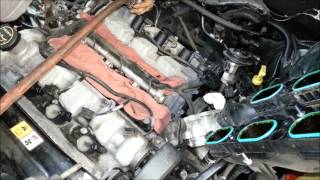
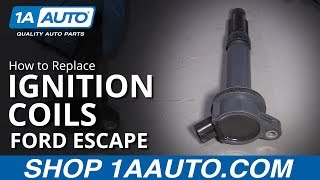
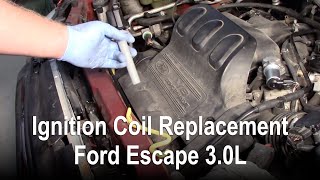
This will typically set diagnostic trouble codes between P0351 and P0356 🎬 Watch: Understanding how bad coils destroy the ECM driver circuit. (Ignition Coil Primary/Secondary Circuit Malfunction for cylinders 1-6). If you are replacing the ECM due to one of these codes, it is absolutely essential to replace all six ignition coils 🎬 See this step-by-step guide for replacing your ignition coils. and spark plugs at the same time. Failure to do so will cause the new or repaired ECM to fail immediately.
Warning: If you have a 3.0L V6 with codes P0351-P0356, you MUST replace all six ignition coils and spark plugs when you replace the ECM. Skipping this step will result in immediate failure of the replacement ECM.
Recalls and TSBs
While there are no direct recalls for the ECM itself, several related service campaigns exist for these vehicles:
- NHTSA Recall 16V777000: Affects 2010-2012 Escape and 2010-2011 Mariner models with the 3.0L engine. The Fuel Delivery Module (FDM) flange may crack and leak fuel. While not an ECM issue, a fuel leak is a serious safety hazard.
- Ford TSB ASI-32332: Addresses an intermittent loss of power or acceleration with possible wrench light and codes P2111 or P2112. This points to an issue with the electronic throttle body, which is controlled by the ECM.
ECM Programming and Anti-Theft (PATS)

This is the most important part of replacing the ECM in your Escape or Mariner. A replacement ECM will not work until it is programmed to your specific vehicle. The vehicle will not start. This is not an optional step.
🎬 Watch: What you need to know about ECM replacement and programming.The programming process involves two key steps:
- VIN Programming: The module is flashed with your vehicle's unique 17-digit Vehicle Identification Number (VIN). This loads the correct software and calibration files for your vehicle's specific engine, transmission, and options.
- PATS Key Synchronization: The ECM is linked to the vehicle's Passive Anti-Theft System (PATS). This security procedure pairs the ECM to your existing transponder keys. If this is not done, the anti-theft system will disable the engine, and the car will not start.
Who Can Program the ECM?
- Ford/Lincoln Dealerships: They have the required tools (Ford IDS software) and expertise.
- Qualified Independent Shops: Many independent repair shops that specialize in Ford vehicles have the same diagnostic tools as the dealer.
- Automotive Locksmiths: Some well-equipped locksmiths have the tools to perform PATS key programming and may be able to program the ECM as well.
Pro Tip: When you call a shop or locksmith, specifically ask if they can program a new or used ECM and perform a PATS parameter reset or key relearn for a 2010-2011 Ford Escape. Not all shops have this capability.
Buying a Used Engine Control Module
A used OEM ECM is a cost-effective and reliable alternative to an expensive new unit, provided you follow the correct procedures. Since these modules are electronic and not wear items, a used unit from a low-mileage vehicle is often just as good as a new one.
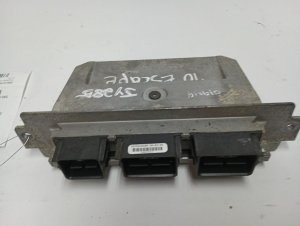
- Match the Part Number: It is critical to match the OEM part number from your original ECM. While there are several compatible numbers, getting an exact match is the safest bet. The main service part number is AL8Z-12A650-ABC, which replaces earlier versions like AL8A-12A650-ABA, AL8A-12A650-ABB, and others. The part number is printed on a sticker on the module's case.
- Physical Inspection: When buying a used module, inspect the case for any signs of physical damage or corrosion. Check the connector pins to ensure they are straight and clean. Avoid any units that show signs of water intrusion.
- Source Vehicle: If possible, choose a module from a vehicle that was not involved in a flood or front-end collision. The ECM is located in the engine bay on the firewall, under the plastic cowl panel near the windshield, a location that can be susceptible to water damage if the cowl seals are bad.
- Budget for Programming: Remember to factor in the cost of programming when buying a used ECM. The part itself is only one part of the total repair cost.
Cost Breakdown
The total cost of replacing your ECM can vary significantly based on the part source and labor rates. Here are typical price ranges:
| Part/Service | Estimated Cost | Notes |
|---|---|---|
| New OEM | $650 - $1,000 | Price from a Ford dealership. Often requires a core charge. |
| Remanufactured | $250 - $500 | Your original unit is repaired, or you buy a pre-repaired unit. Often comes with a warranty. |
| Used OEM | $75 - $200 | Price from a salvage yard or online seller. Ensure you match the part number. |
| Shop Labor (Installation & Programming) | $200 - $450 | Includes physical installation and the critical VIN/PATS programming. |
Frequently Asked Questions (FAQ)
Can I replace the ECM myself?
Physically replacing the module is straightforward for a DIY mechanic. It is typically located on the firewall in the engine bay and held in by a few bolts. However, you will still need to have the vehicle towed to a dealer or arrange for a mobile technician to come to you to perform the mandatory programming. The car will not start until this is done.
Do I need my old ECM to program the new one?
No, the programming can be done without the old module. The necessary data is programmed using the vehicle's VIN. However, if you are having your original module repaired and reinstalled, no programming is needed as it already contains your vehicle's information.
Will swapping an ECM and ignition key from the same donor car work?
This is not recommended. While it might seem like a clever workaround, the ECM is also tied to other modules in the vehicle, like the instrument cluster and body control module. Swapping parts can create new communication errors and security conflicts that are difficult to diagnose and fix. The correct method is to program the replacement ECM to your vehicle.
What are the most common ECM failure codes for this vehicle?
For the 3.0L V6, codes P0351 through P0356 are strong indicators of an ECM damaged by a bad ignition coil. More general internal failure codes include P060A (Internal Control Module Monitoring Processor Performance) and P060C (Internal Control Module Main Processor Performance).
Helpful Videos

Technical Specifications
OEM Part Numbers: AL8A12A650ABA AL8A12A650ABB AL8A12A650ABC AL8A12A650PC AL8A12A650PD AL8Z12A650ABC
Location: Engine bay, mounted to the firewall under the plastic cowl panel.
We Have This Part in Stock



The information in this article is provided for general reference and educational purposes only. Vehicle specifications, procedures, and part compatibility can vary by production date, trim level, and region. Always consult your vehicle's factory service manual and verify part numbers before purchasing or performing repairs. Safety-critical components such as airbags, seat belts, and braking systems should be installed by a qualified professional.
- Ford Escape:
- Mercury Mariner:
- 🎬 Helpful Videos
- 🛍️ Shop This Part
- Symptoms of a Failing ECM
- Known Issues, Recalls, and Technical Service Bulletins (TSBs)
- Critical Issue for 3.0L V6: Ignition Coil Failure
- Recalls and TSBs
- ECM Programming and Anti-Theft (PATS)
- Who Can Program the ECM?
- Buying a Used Engine Control Module
- Cost Breakdown
- Frequently Asked Questions (FAQ)
- 🎟️ Get 5% Off