

Ford Escape, Taurus & Transit Connect ECM Guide (2013-2016): Programming, Problems, and Replacement
This guide covers common failure symptoms, recalls, and the critical programming requirements for the Engine Control Module (ECM) in the 2013-2016 Ford Escape, 2013-2015 Taurus, and 2014-2016 Transit Connect.
- Programming is mandatory. A replacement ECM must be programmed to your vehicle's VIN and anti-theft system by a dealer or properly equipped independent shop.
- A vehicle with a newly installed, unprogrammed ECM will not start.
- Always match the OEM part number from your original module to the replacement unit to ensure compatibility.
- Check for related recalls, such as the wiring harness issue on the Escape (14S17) and the fuel pump control module on the Taurus (16S34), as they can cause similar symptoms.
Symptoms of a Failing ECM

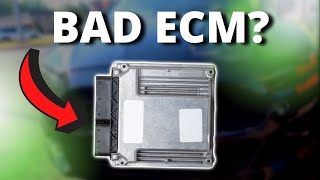
A failing Engine Control Module can cause a variety of confusing and often intermittent symptoms. Because the ECM controls so many different systems, its failure can sometimes be misdiagnosed. If you notice several of the following issues occurring at once, the ECM may be the culprit.
- Check Engine Light: This is the most common indicator. The ECM will store diagnostic trouble codes (DTCs) that can be read with an OBD-II scanner.
- Engine Performance Issues: You may experience rough idling, stalling, hesitation during acceleration, or a sudden decrease in power. These problems occur when the ECM sends incorrect signals to the fuel injectors or ignition system.
- No-Start or Hard-Start Condition: A completely failed ECM will prevent the engine from starting at all. An intermittent failure might cause the engine to crank but not start, or require multiple attempts to start, especially when warm.
- Poor Fuel Economy: If the ECM is not correctly managing the air-fuel mixture, it can lead to a noticeable drop in gas mileage.
- Transmission Shifting Problems: The ECM communicates with the transmission control module. A faulty ECM can cause rough or erratic shifting in automatic transmissions.
Common Diagnostic Trouble Codes (DTCs)
While many codes can indicate an ECM issue, some are more directly related to internal module failures:
- P0603: Internal Control Module Keep Alive Memory (KAM) Error. This code suggests a problem with the ECM's memory.
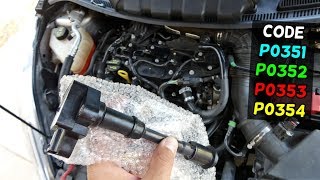
- P0351 - P0356: Ignition Coil Primary/Secondary Circuit Malfunction. While often caused by a bad ignition coil, a persistent code after replacing the coil can point to a failed driver circuit within the ECM.
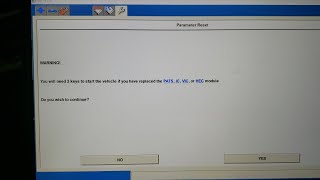
- P161A: This code can appear after an ECM replacement if the programming or parameter reset procedure was not completed correctly.
Known Issues, Recalls, and Technical Service Bulletins (TSBs)

While these vehicles have not had recalls specifically for the Engine Control Module itself, related issues that involve the ECM have been identified.
2013-2016 Ford Escape
- Recall 14S17 (NHTSA ID: 14V597000): Affects some 2013-2014 Escape models with 2.0L engines. Poorly crimped splices in the engine wiring harness for the Manifold Absolute Pressure (MAP) sensor could send incorrect signals to the ECM, potentially causing hesitation or stalling. The fix involves replacing the faulty splices.
- TSB 16-0075: Some 2013 Escapes may experience a hard start, no start, or loss of RPM after refueling, potentially storing DTCs P1450 or P0456. This is related to the evaporative emissions system but involves the ECM detecting the fault.
2013-2015 Ford Taurus
- Recall 16S34 (NHTSA ID: 16V643000): On certain 2013-2015 Taurus models with the 3.5L GTDI engine, the fuel pump control module could fail, leading to an engine stall or a no-start condition. While not the ECM, its symptoms are similar and it's a critical related computer module.
- TSB SSM 46900: Notes that a no-start condition with DTC P161A may occur after ECM replacement if the parameter reset procedure is not done correctly. This applies to the Escape and Transit Connect as well.
2014-2016 Ford Transit Connect
- Recall 22S43 (NHTSA ID: 22V413000): Affects 2013-2021 Transit Connect vehicles. The bushing that attaches the shifter cable to the transmission can degrade or detach. While not an electronic issue, this can prevent the vehicle from being in the correct gear selected by the driver, a state monitored by the ECM.
Critical: This ECM requires programming to your vehicle's specific Vehicle Identification Number (VIN) and security system. It is not a 'plug-and-play' part. Failure to program the module will result in a no-start condition.
Programming and Immobilizer Information

When you replace the ECM in a 2013-2016 Escape, 2013-2015 Taurus, or 2014-2016 Transit Connect, it must be programmed to match your vehicle. This process syncs the new module with your vehicle's VIN and, most importantly, the Passive Anti-Theft System (PATS).
The PATS system uses a chip in your ignition key that communicates with the ECM. If the codes don't match, the system assumes the vehicle is being stolen and will disable the engine. This means a used ECM from another vehicle will not work until it is properly configured.
Who can program the ECM?
- Ford/Lincoln Dealerships: Dealers have the proprietary Integrated Diagnostic Software (IDS) required to perform this programming. This is the most reliable, albeit often most expensive, option.
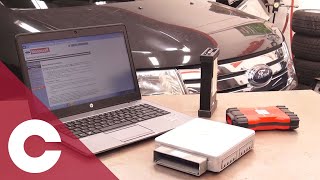
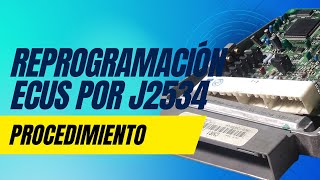
- Qualified Independent Shops: Many independent auto repair shops that specialize in Ford vehicles invest in the factory scan tool (IDS) or an equivalent J2534 pass-through device and software subscriptions. It is essential to call ahead and confirm they have the specific capability for Ford module programming for these model years.
- Automotive Locksmiths: Some advanced automotive locksmiths also have the tools to program keys and modules for Ford vehicles. This can be a convenient option, especially if you need new keys made at the same time.
Pro Tip: Before taking your vehicle to a shop for programming, call them and ask specifically if they can perform a "PATS parameter reset" and "programmable module installation" for your year and model Ford. This will ensure they have the correct equipment.
Buying a Used Engine Control Module (ECM)
A used OEM ECM can be a cost-effective alternative to a new unit, but careful purchasing is key. Since programming is required regardless, the primary focus is on getting a compatible, functional part.
- Match the Part Number: The most critical step is to match the part number on your original ECM with the part number of the used unit you are considering. While there are many compatible part numbers that supersede older ones, starting with an exact match is the safest approach. Check the list of known OEM part numbers in the specifications section below.
- Physical Inspection: When you receive the used ECM, inspect the case for any signs of physical damage, such as cracks, dents, or corrosion. Pay close attention to the connector pins—they should be straight, clean, and free of any green or white corrosion, which indicates water damage.
- Source Matters: Purchase from a reputable seller that offers a warranty. This protects you in case the module is non-functional, even if it appears physically intact.
- Why Used OEM is a Good Choice: Used OEM (Original Equipment Manufacturer) modules are the same units the vehicle was built with, ensuring proper fitment and hardware compatibility. Aftermarket units can sometimes have software or hardware differences that may cause issues, even after programming.
Cost Breakdown
The cost to replace an ECM can vary significantly based on the part source and labor rates. Programming is a required additional cost.
| Item | Estimated Cost | Notes |
|---|---|---|
| New OEM Part | $575 - $875 | Price from Ford dealerships, may require a core charge. |
| New Aftermarket Part | $250 - $500+ | Prices vary by brand. May not have the latest OEM software updates. |
| Used OEM Part | $75 - $200 | A significant savings, but requires careful part number matching and a warranty. |
| Remanufactured Part | $200 - $400 | A rebuilt original unit, often comes with a warranty. |
| Shop Labor (Replacement & Programming) | $100 - $300 | Labor for physical replacement is low (around 1 hour), but programming adds time and cost. |
| Total Estimated Cost (with Used Part) | $175 - $500 | This represents the most common and cost-effective solution. |
Frequently Asked Questions (FAQ)
Can I replace the ECM myself?
While the physical replacement of the ECM is often straightforward (usually located in the engine bay, secured by a few bolts and electrical connectors), the vehicle will not start until the module is professionally programmed. Therefore, a DIY replacement is only feasible if you plan to have the vehicle towed to a dealership or qualified shop for the final programming step.
Will the car start after I install a used ECM?
No. Due to the PATS anti-theft system, the engine will be immobilized until the used ECM is programmed to your vehicle's VIN and keys. It may crank but will not start and run.
Does the mileage of the donor vehicle matter for a used ECM?
No, the mileage is not stored in the ECM in these vehicles. The mileage is stored in the instrument cluster. The ECM can be programmed to a vehicle with any mileage.
What is a 'cloning' service for an ECM?
Some specialized services offer to 'clone' your original ECM. This involves transferring the VIN, security data, and software from your old module to the replacement (used) module. If successful, this can make the replacement unit plug-and-play, avoiding the need for a shop visit for programming. This is only possible if your original module is still able to communicate and its data is not corrupted.
Helpful Videos
Technical Specifications
OEM Part Numbers: CV6A-12B684-CA CV6Z-12A650-CANP DG1A-12A650-AKA DJ5A-12A650-AAA DJ5A-12A650-AAB DJ5A-12A650-AAC DJ5A-12A650-ABA DJ5A-12A650-ABB DJ5A-12A650-ABC EJ5A-12A650-BC EJ5A-12A650-BD EJ5A-12A650-BE EJ5A-12A650-BF
N/A
We Have This Part in Stock



The information in this article is provided for general reference and educational purposes only. Vehicle specifications, procedures, and part compatibility can vary by production date, trim level, and region. Always consult your vehicle's factory service manual and verify part numbers before purchasing or performing repairs. Safety-critical components such as airbags, seat belts, and braking systems should be installed by a qualified professional.
- Ford Escape:
- Ford Taurus:
- Ford Transit Connect:
- 🎬 Helpful Videos
- 🛍️ Shop This Part
- Symptoms of a Failing ECM
- Common Diagnostic Trouble Codes (DTCs)
- Known Issues, Recalls, and Technical Service Bulletins (TSBs)
- 2013-2016 Ford Escape
- 2013-2015 Ford Taurus
- 2014-2016 Ford Transit Connect
- Programming and Immobilizer Information
- Who can program the ECM?
- Buying a Used Engine Control Module (ECM)
- Cost Breakdown
- Frequently Asked Questions (FAQ)
- 🎟️ Get 5% Off