

2017-2020 Ford Escape, Fusion, Lincoln MKZ & MKC ECM: Programming, PATS, and Replacement Guide
A complete guide to diagnosing, replacing, and programming the Engine Control Module in your Ford Escape, Fusion, Lincoln MKZ, or MKC.
- A replacement ECM (or PCM) MUST be programmed to your vehicle's VIN by a dealer or qualified shop to function.
- The vehicle will not start after installation until the module is programmed and the keys are relearned to the anti-theft system (PATS).
- This is not a DIY-programmable part; it requires specialized tools and software subscriptions.
- Before replacing the ECM, always check for simpler issues like bad grounds, battery problems, or blown fuses, as they can mimic ECM failure.
Symptoms of a Failing ECM

A faulty ECM can cause a wide range of confusing and intermittent issues. Because it controls so many different systems, a failure can mimic other problems. Always perform a thorough diagnosis before condemning the module.
🎬 Watch: Common symptoms of a failing engine control module- Check Engine Light: This is the most common symptom. The light may be on steadily or flash. Specific internal processor codes are a strong indicator of ECM failure.
- Engine Stalling or Misfiring: The engine may stall unexpectedly, either while driving or at idle. You might also experience rough running or random engine misfires.
- No-Start Condition: The engine may crank but refuse to start. This can happen if the ECM is not sending the proper signals to the fuel injectors or ignition coils.
- Poor Performance and Fuel Economy: You may notice a significant loss of power, hesitation during acceleration, and a sudden drop in gas mileage as the ECM struggles to manage the engine correctly.
- Erratic Transmission Shifting: Since the PCM also controls the automatic transmission, a faulty module can cause harsh shifts, delayed engagement, or getting stuck in one gear.
Common Diagnostic Trouble Codes (DTCs)
While many codes can be triggered by a failing ECM, codes that point to an internal processor fault are the most definitive. These include:
- P0604: Internal Control Module Random Access Memory (RAM) Error
- P0606: ECM/PCM Processor Fault
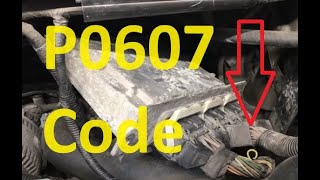
- P0607: Control Module Performance
- P060C: Internal Control Module Main Processor Performance
Pro Tip: Sometimes, issues that seem like a bad ECM are actually much simpler. For example, some 2017 Escape owners have reported engine shutter and ignition coil circuit codes (P0351-P0354) that were ultimately caused by a loose ground nut on the engine's valve cover, not a faulty computer. Always check battery health, terminals, and all major power and ground connections before replacing the ECM.
Known Issues, Recalls, and Technical Service Bulletins (TSBs)

While there are no widespread recalls for the ECM itself on most of these models, several related service campaigns exist that are important for diagnosis.
- Ford Fusion PHEV BECM Recall (23S33): 2019-2020 Ford Fusion Plug-In Hybrid models were recalled for a faulty Battery Energy Control Module (BECM), a separate computer from the main ECM. Symptoms include a loss of power or a potential fire in the trunk area. This recall involves replacing the high-voltage battery and the BECM.
- Shifter Cable Bushing Recall: Certain Escape, Fusion, and other Ford models were recalled for a degraded shifter cable bushing. This can cause the vehicle to be in a different gear than what the shifter indicates, leading to a no-start condition that could be misdiagnosed as an ECM or transmission failure.
- Software Updates (TSBs): Ford frequently issues Technical Service Bulletins (TSBs) that instruct dealers to reprogram the PCM with updated software to fix various drivability issues, from harsh shifting to false check engine lights. If you're experiencing an odd, inconsistent problem, it's worth checking with a dealer to see if a software update is available for your vehicle's VIN.
Buying a Used Engine Control Module: What You Must Know

Buying a used ECM is a great way to save money, but it is critical to understand the process. Unlike a simple mechanical part, you cannot just swap it and start the car.
Warning: This module MUST be programmed to your specific vehicle to function. Failure to program the module will result in a no-start condition.
1. Programming is Mandatory
A used ECM is a blank slate. It must be "flashed" or "programmed" with the correct software for your car's specific Year, Make, Model, engine, transmission, and options. This process loads the vehicle's unique Vehicle Identification Number (VIN) into the module, allowing it to communicate with all the other computers in the car.
2. Anti-Theft System (PATS) Integration
After the ECM is programmed with your VIN, it must be synchronized with the vehicle's Passive Anti-Theft System (PATS). This involves a "key relearn" procedure so the ECM recognizes your existing keys. If this step is skipped, the PATS system will activate and prevent the engine from starting. You will typically need at least two working keys to perform this procedure.
3. Who Can Program a Ford ECM?
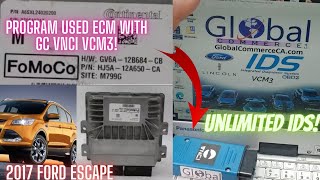
🎬 Watch a professional program a used ECM for a Ford EscapeProgramming requires special equipment and software subscriptions. This is not a DIY task for a home mechanic.
- Ford & Lincoln Dealerships: The most reliable, but often most expensive, option. They have direct access to Ford's diagnostic systems (IDS/FJDS).
- Qualified Independent Shops: Many professional auto repair shops invest in the same J2534 programming tools and software subscriptions that dealers use.
- Automotive Locksmiths: Some mobile locksmiths specialize in module programming and key services and can perform the work at your location.
4. Matching Part Numbers
Always try to match the OEM part number from your original module to the used one you are buying. While some part numbers supersede or replace older ones, matching the number exactly is the safest way to ensure hardware compatibility. You can find the part number on a sticker on the outside of the ECM case.
ECM Replacement Cost Comparison
Prices can vary significantly based on the supplier and condition of the part. Programming labor is an additional cost.
| Part Type | Estimated Cost |
|---|---|
| New OEM | $800 - $1,250 |
| Remanufactured | $160 - $550 |
| Used OEM | $75 - $250 |
| Shop Labor (Replacement & Programming) | $200 - $400 |
Note: Labor costs for programming typically run 1-2 hours at a shop's hourly rate. The physical replacement is often less than one hour.
ECM Location and Replacement Overview

On the Ford Escape, Fusion, Lincoln MKZ, and MKC, the ECM is typically located in the engine bay. Look for a metal box with several large electrical connectors, usually mounted to the firewall, inner fender, or near the battery tray.
- Disconnect the Battery: Always disconnect the negative battery terminal before working on any electronic components.
- Unplug Electrical Connectors: Carefully release the locking tabs on the large wiring harness connectors and pull them straight out. Inspect the pins for any corrosion or damage.
- Unbolt the Module: Remove the bolts or nuts holding the ECM to its mounting bracket.
- Install the New Module: Bolt the replacement ECM in place, reconnect the electrical connectors securely, and reconnect the battery.
- Arrange for Programming: The vehicle is now ready to be towed or driven (if the old module is still semi-functional) to a shop for the mandatory programming and key relearn procedure.
Frequently Asked Questions (FAQ)
Do I have to get a used ECM programmed?
Yes, absolutely. A used ECM will not work in your car until it has been programmed with your vehicle's specific VIN and software. The car will not start without this step.
Will my car start right after I install a used ECM?
No. Even after the module is physically installed, the engine will not start until it is programmed and the keys are relearned to the vehicle's anti-theft system (PATS).
Can I program a Ford ECM myself?
No, not unless you are a professional with access to expensive, specialized tools like a Ford VCM or a J2534 pass-thru device and a paid subscription to Ford's diagnostic software (IDS/FJDS).
What's the difference between an ECM, PCM, and ECU?
The terms are often used interchangeably. ECU (Engine Control Unit) is a generic term. ECM (Engine Control Module) typically refers to a computer that only controls the engine. PCM (Powertrain Control Module) is the term Ford most often uses, as this single computer controls both the engine and the transmission.
Helpful Videos
Technical Specifications
OEM Part Numbers: HJ7A12A650DA HJ7A12A650EA HP5A12A650AG HP5A12A650AGB HS7A12A650JA HS7A12B684JA HS7Z12A650JANP KS7A12A650ANA RMHS7A12A650JA
The primary specification is the software calibration file, which is specific to the vehicle's VIN and hardware configuration.
We Have This Part in Stock



The information in this article is provided for general reference and educational purposes only. Vehicle specifications, procedures, and part compatibility can vary by production date, trim level, and region. Always consult your vehicle's factory service manual and verify part numbers before purchasing or performing repairs. Safety-critical components such as airbags, seat belts, and braking systems should be installed by a qualified professional.
- Ford Escape:
- Ford Fusion:
- Lincoln MKZ:
- Lincoln MKC:
- 🎬 Helpful Videos
- 🛍️ Shop This Part
- Symptoms of a Failing ECM
- Common Diagnostic Trouble Codes (DTCs)
- Known Issues, Recalls, and Technical Service Bulletins (TSBs)
- Buying a Used Engine Control Module: What You Must Know
- 1. Programming is Mandatory
- 2. Anti-Theft System (PATS) Integration
- 3. Who Can Program a Ford ECM?
- 4. Matching Part Numbers
- ECM Replacement Cost Comparison
- ECM Location and Replacement Overview
- Frequently Asked Questions (FAQ)
- 🎟️ Get 5% Off