

Ford Edge, Escape, Nautilus & Corsair ECM Failure: A Guide to Programming & Replacement (2019-2024)
This guide covers the common failure symptoms, costs, and the critical programming requirements for the Engine Control Module (ECM) in the Ford Edge, Ford Escape, Lincoln Nautilus, and Lincoln Corsair.
- A replacement ECM (new or used) MUST be professionally programmed to the vehicle's VIN and anti-theft system (PATS). The car will not start without this step.
- Programming can be done by a Ford/Lincoln dealer or a well-equipped independent shop with Ford-specific diagnostic software (IDS/FJDS).
- Common symptoms of failure include a no-start condition, rough running, stalling, and a Check Engine Light with codes like P0606 or P060C.
- Buying a used OEM module is a cost-effective option, but you must budget for the additional cost of programming.
Symptoms of a Failing ECM
A failing Engine Control Module can cause a wide variety of symptoms, which are often mistaken for other component failures. If you experience several of these issues at once, the ECM is a likely culprit.
- Check Engine Light: This is the most common symptom. The ECM will store diagnostic trouble codes (DTCs) that can be read with an OBD-II scanner.
- Engine Performance Issues: You may notice rough idling, engine stalling, hesitation during acceleration, or a general loss of power.
- No-Start or Hard-Starting Condition: The vehicle may crank but refuse to start, or it may take an unusually long time to turn over. This happens when the ECM fails to send the correct signals to the fuel injectors or ignition system.
- Poor Fuel Economy: An incorrect air-fuel mixture controlled by a faulty ECM can lead to a sudden and significant decrease in gas mileage.
- Transmission Shifting Problems: The ECM works with the transmission control module. A failing ECM can cause rough or erratic shifting in automatic transmissions.
- Intermittent Electrical Problems: Since the ECM is the central computer, its failure can cause seemingly unrelated electrical issues.
Common Diagnostic Trouble Codes (DTCs)
If your check engine light is on, a scanner may show one of these codes, which point directly to an internal ECM/PCM failure:
- P0606: ECM/PCM Processor Fault. This generic code means the ECM has detected a critical internal error in its own central processing unit (CPU).
- P060C: Internal Control Module Main Processor Performance. This is a more specific code indicating the ECM's processor has failed a self-check.
Other codes related to misfires (P0300-P0304) or system performance may also appear as a result of the ECM's inability to properly control the engine.
Known Issues, TSBs, and Recalls
While widespread ECM failure is not common, there are a few related service bulletins and recalls for these vehicles that are important to be aware of.
TSB 22-2229 (Supersedes 22-2133): Coolant Intrusion in 2.0L EcoBoost
Some 2017-2019 Ford Escape and 2015-2018 Ford Edge models with the 2.0L EcoBoost engine may experience coolant leaking into the cylinders. This can cause a rough running condition, white exhaust smoke, and may trigger misfire codes (P0300-P0304) or other codes (P0316, P0217, P1285, P1299) to be stored in the ECM. In this case, the ECM is correctly identifying a serious mechanical engine problem; the ECM itself is not the cause of the failure, but the problem requires a new engine block.
NHTSA Recall 19C03 / 19V076000: Blank Instrument Panel
This recall affects certain 2019 Lincoln Nautilus and Navigator models. At startup, the instrument panel cluster may be blank, preventing the driver from seeing the speedometer, fuel gauge, or warning lights. The fix is a software reprogram of the instrument panel cluster performed by a dealer. While not a direct ECM failure, it highlights the importance of module programming in these vehicles.
CRITICAL: Programming and Immobilizer Requirements
This is the single most important thing to understand when replacing the ECM in your Ford Escape, Edge, Lincoln Nautilus, or Corsair. You cannot simply swap the module.
Warning: A replacement ECM, whether new or used, MUST be professionally programmed to your vehicle. If you install a replacement module without programming, the engine will not start. This is not a defect in the part; it is a feature of the vehicle's anti-theft system.
The programming process involves several steps:
- VIN Programming: The module must be programmed with your vehicle's specific Vehicle Identification Number (VIN).
- Software Installation: The correct software and calibration files for your vehicle's engine, transmission, and options must be loaded onto the ECM.
- PATS Handshake: The ECM must be synchronized with the vehicle's Passive Anti-Theft System (PATS). This process, often called a "parameter reset," allows the ECM to recognize your existing programmed keys. If this is not done, the immobilizer will prevent the engine from starting.
Who Can Program a Ford ECM?
- Ford/Lincoln Dealerships: This is the most common and reliable option. They have the proprietary Integrated Diagnostic System (IDS) software required.
- Qualified Independent Shops: Many independent repair shops invest in the Ford J2534 pass-thru device and a subscription to the Ford J2534 Diagnostic Software (FJDS). It is essential to call ahead and confirm they have this specific capability for late-model Fords.
- Automotive Locksmiths: Some advanced automotive locksmiths have the tools and software to perform key and module programming, including the PATS parameter reset.
Pro Tip: When having the module programmed, you will need to have at least two of the vehicle's original keys present. The system requires this to properly complete the PATS security relearn process.
Buying a Used Engine Control Module
A used OEM module is an excellent, cost-effective alternative to a new one, provided you follow these steps. Because of the complex software involved, a reliable used OEM unit is often a better choice than a new, unproven aftermarket part.
- Match the Part Number: While some part numbers may supersede others, it is safest to match the OEM engineering number directly from your original module. This ensures hardware compatibility.
- Inspect for Damage: When you receive the used module, check the casing for any signs of physical damage or being opened. Most importantly, inspect the connector pins to ensure none are bent, broken, or corroded.
- Budget for Programming: Remember that the price of the used part is not your final cost. You MUST factor in the cost of professional programming, which can range from $200 to over $500 depending on local labor rates.
- Verify the Source: Purchase from a reputable seller that offers a warranty. This protects you in the rare case that you receive a faulty unit.
Cost Breakdown
The cost to replace an ECM can vary significantly based on the price of the part and local labor rates for programming.
| Item | Estimated Cost |
|---|---|
| New OEM Module (Part Only) | $1,000 - $1,200 |
| New Aftermarket Module | $400 - $700 |
| Used OEM Module | $150 - $450 |
| Remanufactured Module | $250 - $550 |
| Shop Labor (Physical Replacement) | $75 - $125 |
| Shop Labor (Programming) | $200 - $600+ |
Frequently Asked Questions
Can I replace the ECM myself to save money?
You can perform the physical installation yourself, as it often just involves disconnecting the battery, unplugging the electrical connectors, and unbolting the module from its bracket. However, the vehicle will be undrivable until it is towed to a shop for the mandatory programming.
Why won't my car start after installing a used ECM?
The car won't start because the used ECM is not programmed to your vehicle's VIN and, more importantly, it is not synchronized with your keys and the immobilizer (PATS) system. The PATS system is working correctly by preventing a potential theft. The module must be programmed.
Does the part number on the replacement ECM have to be an exact match?
It is highly recommended to get an exact match for the main engineering part number (e.g., K2GA-12A650-BA). While some numbers can be superseded or are compatible, an exact match eliminates potential hardware conflicts. Always confirm with the seller.
Can the anti-theft system (PATS) be bypassed or deleted?
There are some specialized services that claim to disable the PATS system within the ECM's software. However, this is not a standard repair procedure and may have unintended consequences. The correct and recommended repair is to have the replacement module properly programmed to the vehicle.
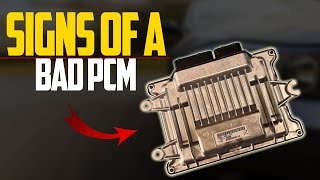
Helpful Videos

Technical Specifications
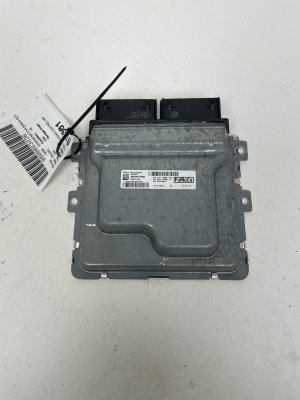
OEM Part Numbers: K2GA12A650BA K2GA12A650CFA K2GA12A650CGA KK1A12B684HA KK1Z12A650A LX6A12A650AXB LX6A12A650XB LX6A12A650ZA SVKK1A12A650NA
The physical location is typically in the engine bay, often near the firewall or battery, but can vary slightly by model and engine.
We Have This Part in Stock




The information in this article is provided for general reference and educational purposes only. Vehicle specifications, procedures, and part compatibility can vary by production date, trim level, and region. Always consult your vehicle's factory service manual and verify part numbers before purchasing or performing repairs. Safety-critical components such as airbags, seat belts, and braking systems should be installed by a qualified professional.
- Ford Escape:
- Ford Edge:
- Lincoln Nautilus:
- Lincoln Corsair:
- 🎬 Helpful Videos
- 🛍️ Shop This Part
- Symptoms of a Failing ECM
- Common Diagnostic Trouble Codes (DTCs)
- Known Issues, TSBs, and Recalls
- TSB 22-2229 (Supersedes 22-2133): Coolant Intrusion in 2.0L EcoBoost
- NHTSA Recall 19C03 / 19V076000: Blank Instrument Panel
- CRITICAL: Programming and Immobilizer Requirements
- Who Can Program a Ford ECM?
- Buying a Used Engine Control Module
- Cost Breakdown
- Frequently Asked Questions
- 🎟️ Get 5% Off