

2011-2012 Ford Edge & Lincoln MKX ECM Failure: A Guide to Misfires, Programming, and Replacement
This guide covers the common Engine Control Module (ECM) failures in the 2011-2012 Ford Edge and Lincoln MKX, focusing on the critical link between ignition coils and ECM damage.
- A replacement ECM (new or used) MUST be programmed to the vehicle by a dealer, equipped independent shop, or automotive locksmith; it is not plug-and-play.
- The most common ECM failure is caused by a bad ignition coil; if you have codes P0351-P0356, you MUST replace all 6 coils and plugs with the ECM.
- Using a 'Repair and Return' service for your original ECM is a great alternative that avoids the cost and hassle of reprogramming.
- When buying a used ECM, you must match the engineering ID number (e.g., BT4A-ANB) on the sticker, not just the vehicle year and model.
Common ECM Failure: The Ignition Coil Connection

The most widespread and well-documented Engine Control Module (ECM) failure in the 2011-2012 Ford Edge and Lincoln MKX with 3.5L or 3.7L engines is internal damage caused by a faulty ignition coil. An ignition coil is responsible for creating the high voltage needed to fire a spark plug. When a coil begins to fail, it can short-circuit, sending a voltage spike backward through the wiring harness directly into the ECM. This surge of electricity overloads and destroys the delicate internal circuit, known as an ignition driver, that controls that specific coil.
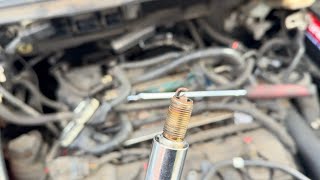
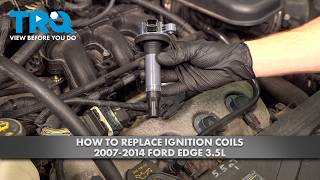
Critical Warning: If your ECM has failed due to a bad ignition coil, you MUST replace all six ignition coils and all six spark plugs 🎬 See this walkthrough on replacing your spark plugs and coils. when you replace the ECM. Installing a new or repaired ECM without replacing the faulty coil will cause the replacement ECM to fail instantly.
Symptoms of a Failing ECM

Symptoms can range from specific and obvious to general and intermittent.
Symptoms of Ignition Coil-Induced ECM Failure:
- Severe Engine Misfire: The engine will run very roughly, shake, and have a noticeable loss of power.
- Flashing Check Engine Light: This indicates a severe misfire that could damage the catalytic converter.
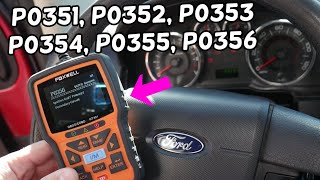
- Specific Diagnostic Trouble Codes (DTCs): The most definitive sign of this failure is one or more of the following codes, which point directly to a fault in the ignition coil's circuit: 🎬 Watch: How to fix ignition coil circuit codes P0351-P0356.
- P0351: Ignition Coil 'A' (Cylinder 1) Primary/Secondary Circuit Malfunction
- P0352: Ignition Coil 'B' (Cylinder 2) Primary/Secondary Circuit Malfunction
- P0353: Ignition Coil 'C' (Cylinder 3) Primary/Secondary Circuit Malfunction
- P0354: Ignition Coil 'D' (Cylinder 4) Primary/Secondary Circuit Malfunction
- P0355: Ignition Coil 'E' (Cylinder 5) Primary/Secondary Circuit Malfunction
- P0356: Ignition Coil 'F' (Cylinder 6) Primary/Secondary Circuit Malfunction
General ECM Failure Symptoms:
- Engine Will Not Start: The engine may crank but fail to start due to a lack of spark or fuel injector signals from the ECM.
- Intermittent Stalling: The vehicle may stall unexpectedly while driving or when coming to a stop.
- Poor Performance and Fuel Economy: A failing ECM can result in reduced power, hesitation, and a sudden drop in gas mileage.
- Erratic Transmission Shifting: The ECM communicates with the transmission controller; a faulty module can cause harsh or delayed shifts.
- P0606 - PCM Processor Fault: This generic code indicates an internal error within the ECM itself. While other issues like bad wiring can sometimes trigger this code, it often points to a failed module.
Diagnosing the Problem

Before condemning the ECM, it's important to rule out other issues. However, if you have one of the P035x codes listed above, the ECM is highly suspect.
- Scan for Codes: Use an OBD-II scanner to check for trouble codes. P0351-P0356 codes are a strong indicator of ECM failure.
- Check Power and Grounds: Verify that the ECM is receiving proper voltage and has a solid ground connection. Poor connections can mimic ECM failure.
- Inspect Wiring: Check the wiring harness leading to the ECM and ignition coils for any signs of damage, corrosion, or loose pins.
- Rule Out Related Issues: For symptoms like stalling or reduced power without P035x codes, investigate other potential causes. A faulty Electronic Throttle Body (ETB) was common enough on these vehicles that Ford issued a Customer Satisfaction Program (16B23) to replace them. The symptoms of a bad ETB can be similar to a failing ECM.
Buying a Used Engine Control Module

A used OEM ECM is often a reliable and cost-effective solution. Here’s what you need to know before you buy.
1. Match the Part Number EXACTLY
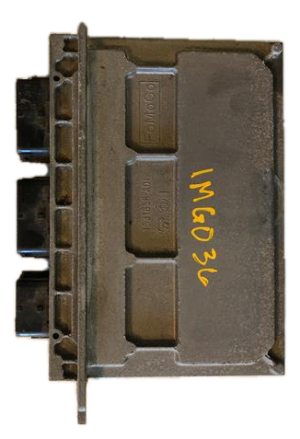
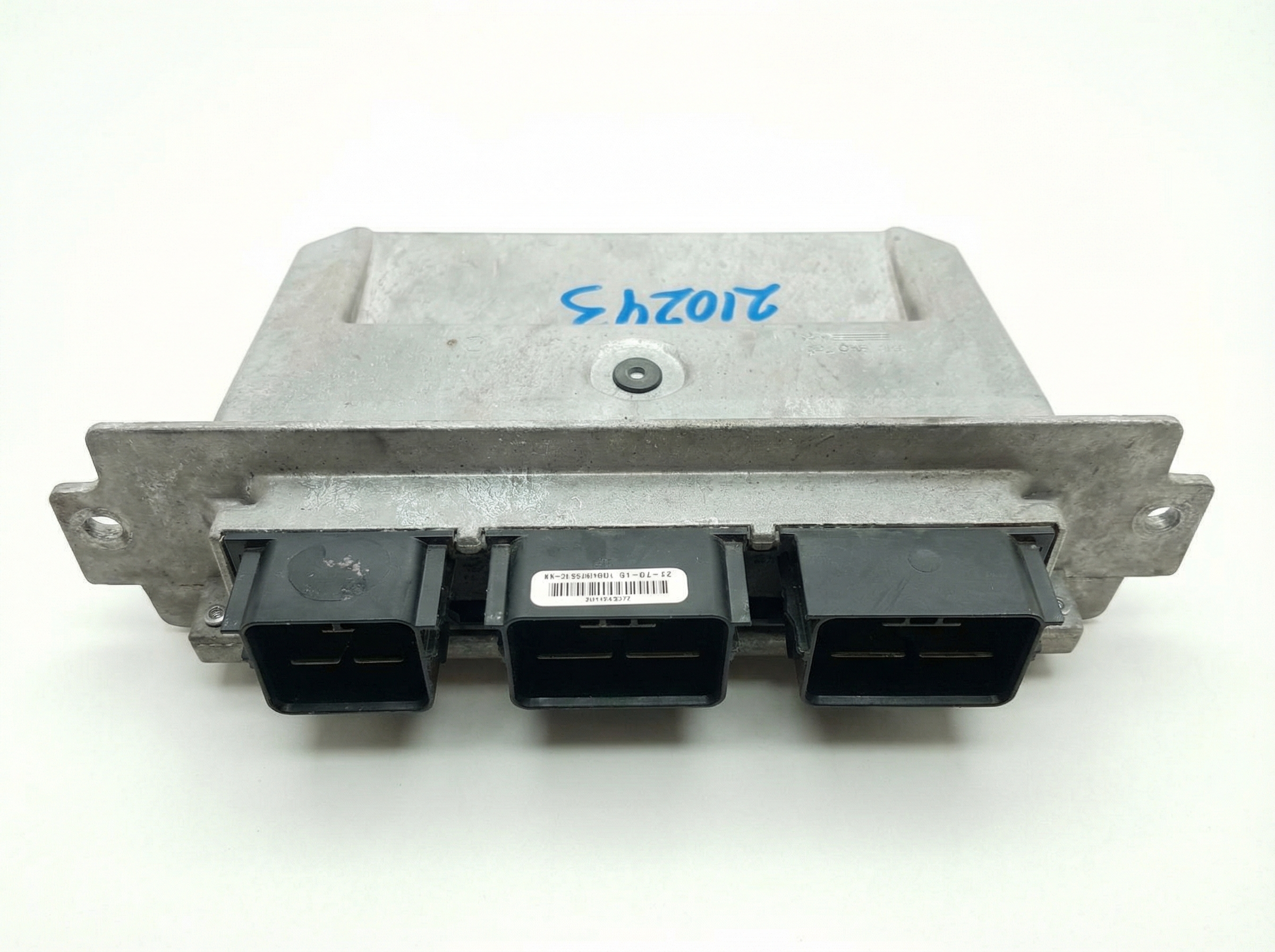
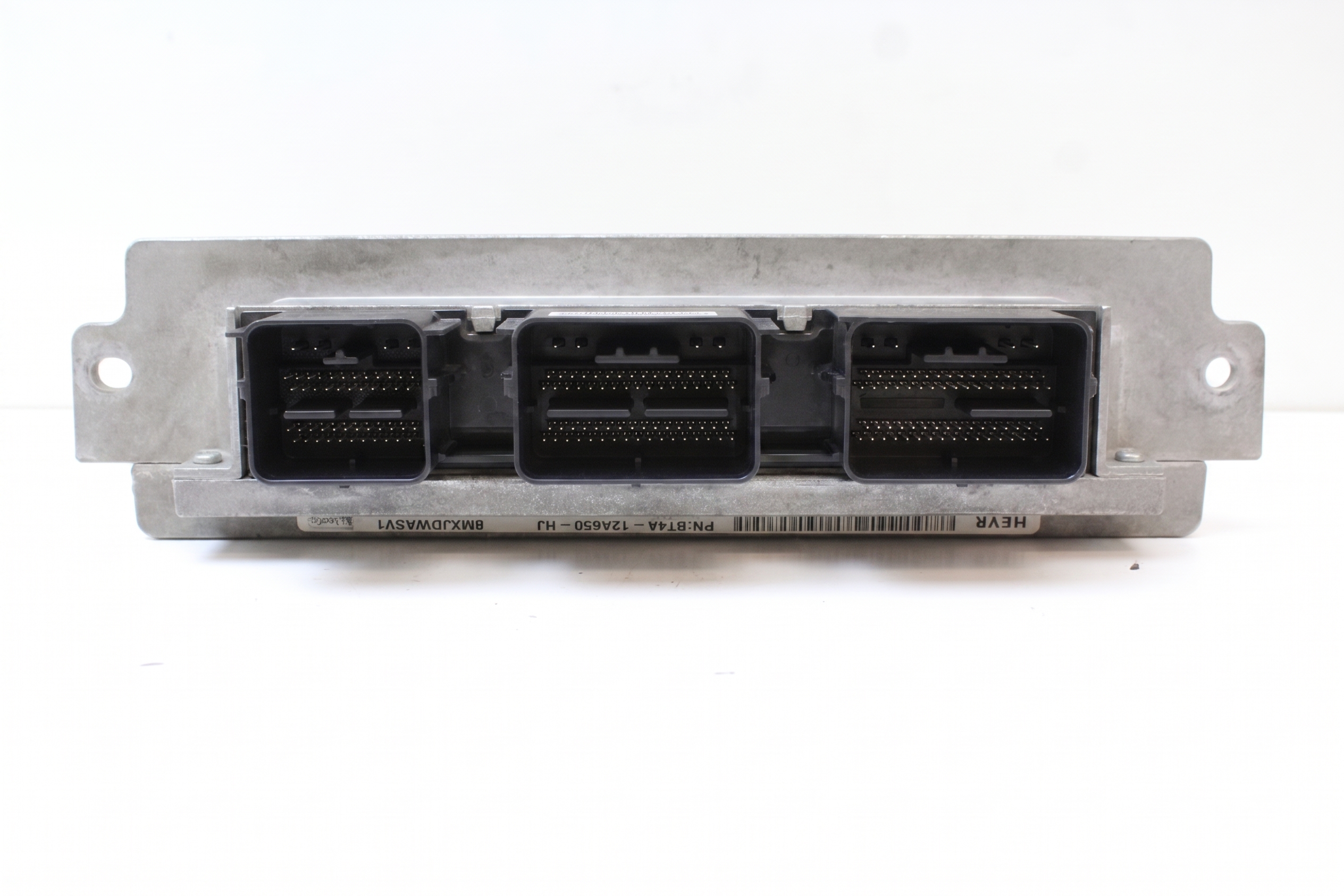
The most critical step is to match the engineering ID number on your original ECM with the number on the used part. This number is printed on a sticker on the module's case. For the 2011-2012 Edge and MKX, these numbers will typically look like BT4A-ANB, BT4A-ANC, or BT4A-AND. While other part numbers exist, matching this ID ensures the internal hardware is correct for your vehicle's options. Do not rely on the year and model alone.
2. Physical Inspection
When you receive the used ECM, inspect it carefully:
- Connector Pins: Look for any bent, broken, or corroded pins. Corrosion is a sign of water intrusion, which is a common cause of failure.
- Case: Check for any physical damage, deep scratches, or signs that the case has been opened, which could indicate a failed repair attempt.
3. Consider a Repair Service
Several companies offer a "Repair and Return" service for your original ECM. You send them your faulty module, they repair the common ignition coil driver failure, and send it back. The primary benefit of this approach is that no programming is required. Since your original module's VIN and security information are retained, it remains plug-and-play, saving you a trip to the dealer or a specialized shop.
ECM Programming and Replacement
Warning: A replacement ECM (new or used) will not work until it is programmed to your specific vehicle. The engine will not start. This is not a plug-and-play part.
Programming involves syncing the replacement ECM to your vehicle's VIN and its anti-theft system. This process is often called a "Parameter Reset" and key relearn.
Who Can Program a Ford ECM?
- Ford and Lincoln Dealerships: They have the required proprietary software (Ford IDS) to perform the programming.
- Qualified Independent Shops: Many independent auto repair shops that specialize in diagnostics have dealer-level scan tools or a "pass-through" device that allows them to perform the necessary programming.
- Automotive Locksmiths: Many professional automotive locksmiths have the tools and security credentials to program modules and perform the PATS (Passive Anti-Theft System) key relearn procedure.
Pro Tip: After programming is complete, the technician should ensure the ignition is turned off for at least 30 seconds before trying to start the engine. A Ford Technical Service Bulletin (TSB) notes that failing to do this can cause new error codes to appear.
Replacement Location
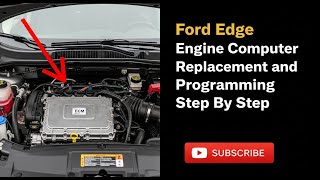
On the 2011-2012 Ford Edge and Lincoln MKX, the ECM is located in the engine compartment, typically mounted to the firewall on the driver's side. It is a silver metal box with three large electrical connectors.
Cost of Replacing the ECM
Prices can vary significantly based on the source of the part and labor rates in your area.
| Part/Service | Estimated Cost |
|---|---|
| New OEM | $550 - $1,100 |
| Remanufactured | $250 - $500 (plus core charge) |
| Used OEM | $75 - $250 |
| Repair Service (Your Module) | $200 - $300 |
| Shop Labor (Replacement & Programming) | $200 - $400 |
Frequently Asked Questions (FAQ)
Can I install a used ECM and drive to the dealer for programming?
No. Once a replacement ECM is installed, the vehicle's anti-theft system will activate, and the engine will not start. The vehicle will need to be towed to the shop for programming.
Do I have to replace the ignition coils if my ECM failed?
If the failure was accompanied by any of the P0351-P0356 trouble codes, then yes, it is absolutely essential. The ECM was damaged by a faulty ignition coil. If you do not replace all six coils and plugs, the new ECM will be damaged immediately.
Can I program a Ford ECM myself?
It is technically possible for advanced DIY mechanics using software like FORScan with an extended license and a compatible OBD-II adapter. However, the process is complex and involves gaining security access, performing a parameter reset, and reprogramming at least two keys. 🎬 Watch: A guide to Ford ECU replacement and programming. For most owners, it is more practical to have this done by a professional.
What's the difference between a "Repair Service" and a "Remanufactured" ECM?
A "Repair Service" fixes your original module and sends it back to you, which avoids the need for reprogramming. A "Remanufactured" ECM is a used core that has been repaired and tested, but it is not from your vehicle and will require full programming to work.
Helpful Videos
Technical Specifications
OEM Part Numbers: BT4A12A650ANB BT4A12A650ANC BT4A12A650AND BT4AANB BT4AANC BT4AAND BT4Z12A650AND
The critical specification is the Engineering ID number printed on the module's sticker, such as BT4A-ANB, BT4A-ANC, or BT4A-AND. This must be matched when sourcing a used replacement.
We Have This Part in Stock


The information in this article is provided for general reference and educational purposes only. Vehicle specifications, procedures, and part compatibility can vary by production date, trim level, and region. Always consult your vehicle's factory service manual and verify part numbers before purchasing or performing repairs. Safety-critical components such as airbags, seat belts, and braking systems should be installed by a qualified professional.
- Ford Edge:
- Lincoln MKX:
- 🎬 Helpful Videos
- 🛍️ Shop This Part
- Common ECM Failure: The Ignition Coil Connection
- Symptoms of a Failing ECM
- Symptoms of Ignition Coil-Induced ECM Failure:
- General ECM Failure Symptoms:
- Diagnosing the Problem
- Buying a Used Engine Control Module
- 1. Match the Part Number EXACTLY
- 2. Physical Inspection
- 3. Consider a Repair Service
- ECM Programming and Replacement
- Who Can Program a Ford ECM?
- Replacement Location
- Cost of Replacing the ECM
- Frequently Asked Questions (FAQ)
- 🎟️ Get 5% Off