

2006 Charger, 300 & Magnum 3.5L ECM: A Guide to No-Starts, Stalling, and VIN Programming
This guide covers the common failures, diagnosis, and mandatory programming requirements for the Engine Control Module (ECM) in 2006 Dodge Charger, Chrysler 300, and Dodge Magnum models with the 3.5L RWD engine.
- This ECM is only for 2006 Charger, 300, and Magnum models with the 3.5L engine and Rear-Wheel Drive (RWD).
- VIN programming is NOT optional. A replacement ECM must be programmed to your vehicle's VIN to disable the anti-theft system and allow the car to start.
- A no-start condition after installing a used ECM is normal until it has been programmed.
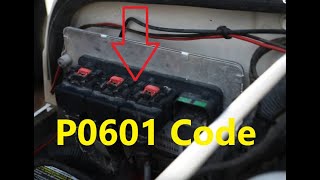
- The most definitive sign of a failed ECM is the diagnostic trouble code P0601.
- Buying a pre-programmed module from an online vendor is often the easiest and most cost-effective solution for DIY replacement.
Symptoms of a Failing ECM

A faulty ECM in a 2006 Charger, 300, or Magnum can create problems that mimic many other component failures. However, certain symptoms are strong indicators that the main computer is the culprit.
- Sudden Stalling or No-Start: The most critical symptom is the engine stalling without warning while driving or refusing to start at all. The engine may crank but won't fire up because the ECM isn't commanding the fuel pump or ignition system.
- Check Engine Light with P0601 Code: The check engine light is a common symptom. If you scan the codes and find P0601 - Internal Control Module Memory Check Sum Error, this is a near-certain sign of fatal ECM failure on these Chrysler-platform vehicles. This code means the ECM has failed its own internal self-test and cannot be trusted. Other related codes include 🎬 Watch: How to diagnose and fix a P0601 code P0600, P0605, and P0606.
- Erratic Engine Behavior: You may experience a rough idle, engine stuttering, hesitation during acceleration, or a noticeable loss of power and fuel economy.
- Transmission and Electrical Issues: Because the ECM communicates with other modules, its failure can lead to harsh, delayed, or erratic automatic transmission shifting. In some cases, you may see other seemingly unrelated electrical gremlins.
- Multiple Unrelated Trouble Codes: A failing ECM can sometimes trigger a flood of codes for various sensors. If you suddenly have codes for the oxygen sensor, throttle position sensor, and others all at once, the root cause may be the ECM itself rather than all those individual parts failing simultaneously.
Warning: Before condemning the ECM, always ensure your vehicle's battery is fully charged and the alternator is functioning correctly. Low or unstable voltage can sometimes cause communication errors that mimic ECM failure.
Known Issues, TSBs, and Recalls
While there are no widespread recalls specifically for ECM failure on these 2006 3.5L models, Chrysler did issue a Technical Service Bulletin (TSB) that is highly relevant to anyone replacing the module.
- TSB 08-030-06 REV. A: This bulletin details the official procedure for 'initializing' a replacement Powertrain Control Module. It confirms that when an ECM is replaced on a vehicle with the Sentry Key™ Theft Deterrent System, it must be programmed with a PIN using a dealer scan tool (DRBIII® or StarSCAN™) to function. This reinforces the fact that programming is not optional.
Replacement and Location

The physical replacement of the ECM is straightforward, but the location varies slightly between models.
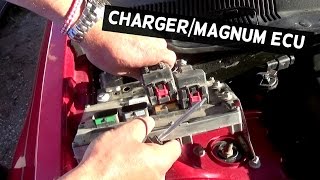
- Chrysler 300 (2006): Typically located in the engine compartment on the passenger side, near the firewall.
- Dodge Magnum (2006): Usually found in the engine compartment on the driver's side, near the front.
- Dodge Charger (2006): Typically located in the engine compartment on the passenger side, similar to the Chrysler 300.
The general replacement process is:
- Disconnect the negative battery terminal.
- Locate the ECM.
- Carefully release the locking tabs and disconnect the large electrical connectors. Inspect the pins for any corrosion or damage.
- Unbolt the module from its mounting bracket.
- Install the new module, reconnect the electrical plugs, and reconnect the battery. 🎬 See this step-by-step ECU replacement walkthrough
Pro Tip: After installing the replacement ECM, the vehicle will not start. This is normal. The anti-theft system has been triggered, and the module must now be programmed to your vehicle's VIN.
The #1 Most Important Step: VIN Programming

You cannot simply swap an ECM from another vehicle and expect it to work. The ECM is electronically tied to the vehicle's Vehicle Identification Number (VIN) and the Sentry Key Immobilizer Module (SKIM). Installing a used ECM without programming it will result in a no-start condition and a security light on the dashboard.
You have several options for programming:
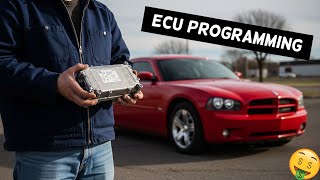
- Pre-Programmed Module: Many online retailers sell remanufactured ECMs that are pre-programmed to your vehicle's VIN before they are shipped. You provide your VIN during purchase, and the module arrives ready for the final security handshake, making it 'plug and play'. This is often the 🎬 Watch: How to program a new Dodge or Chrysler computer easiest and most cost-effective solution for DIYers.
- Dealership: A Chrysler, Dodge, or Jeep dealership can program a new or used ECM to your vehicle using their proprietary scan tools. This is a reliable but often more expensive option.
- Independent Shop or Locksmith: Many independent repair shops and automotive locksmiths have professional-grade diagnostic tools (like an Autel MaxiSys) that are capable of performing the VIN write and SKIM relearn procedure.
- Mail-In Service: You can purchase a used ECM and mail it to a service that specializes in programming. They will program it with your VIN and mail it back to you.
Buying a Used Engine Control Module
Purchasing a used OEM module is an excellent way to save money, but it requires careful attention to detail.
- Verify Compatibility: This is the most critical step. The ECM must come from a 2006 model with a 3.5L V6 engine and Rear-Wheel Drive (RWD). An ECM from an AWD, 2.7L, or 5.7L HEMI model will not work.
- Match the Part Number: While many part numbers are interchangeable after software updates, the safest bet is to match the OEM part number on your original module exactly. The last two letters of the part number often indicate the software version, which can be updated during programming.
- Physical Inspection: Before buying, inspect the used module for any signs of physical damage. Check for corrosion on the aluminum case and, most importantly, on the electrical connector pins. Avoid any unit that looks like it has been exposed to water or has been opened.
- Plan for Programming: Remember that the cost of the used module is not the final cost. You must factor in the price of having it programmed. Often, buying a pre-programmed unit from a reputable seller is simpler and has a similar total cost.
Cost Comparison
| Item | Estimated Cost | Notes |
|---|---|---|
| New OEM | $600 - $1000+ | May be difficult to source as these vehicles age. Price from a dealership. |
| Remanufactured (Pre-Programmed) | $180 - $450 | A very common and reliable option. Sold by many online retailers and auto parts stores. |
| Used OEM (Recycled) | $50 - $150 | The module itself is inexpensive, but requires separate programming. |
| Shop Labor (Physical Swap) | $75 - $150 | Approximately 0.5-1.0 hours of labor. |
| Programming Service | $110 - $250 | Cost for a dealership or independent shop to program a module you provide. |
Frequently Asked Questions (FAQ)
Can I drive my car with a bad ECM?
No. If your ECM is causing the engine to stall unexpectedly, it is a major safety hazard and the vehicle should not be driven. A complete failure will leave you stranded.
Is the ECM the same as the PCM or ECU?
Yes. For these vehicles, the terms Engine Control Module (ECM), Powertrain Control Module (PCM), and Engine Control Unit (ECU) are used interchangeably to refer to the same part.
My car won't start after I installed the new ECM. Is the part bad?
Probably not. A no-start condition after installation is expected. It means the vehicle's anti-theft system (SKIM) has locked out the engine because the ECM's VIN doesn't match. The module must be professionally programmed to your car's VIN before it will start.
Can I program a new ECM myself?
For the average DIY mechanic, no. Programming requires expensive, specialized diagnostic tools like the dealer's StarSCAN or high-end professional scanners, as well as access to the vehicle's PIN code. The most DIY-friendly approach is to buy a pre-programmed module.
Helpful Videos
Technical Specifications
OEM Part Numbers: 04606838AC 04896566AC 05094133AB 05094133AC 05094133AD 05094592AE 05094696AD 05187008AF 05187065AA 4896566AC 5187065AA
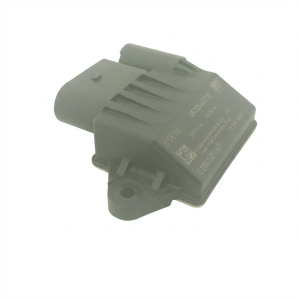
This module controls engine and transmission functions for 3.5L RWD LX-platform vehicles. It requires VIN and SKIM (Sentry Key Immobilizer Module) programming to function.
We Have This Part in Stock



The information in this article is provided for general reference and educational purposes only. Vehicle specifications, procedures, and part compatibility can vary by production date, trim level, and region. Always consult your vehicle's factory service manual and verify part numbers before purchasing or performing repairs. Safety-critical components such as airbags, seat belts, and braking systems should be installed by a qualified professional.
- DODGE CHARGER:
- CHRYSLER 300:
- DODGE MAGNUM: