

2016-2017 Charger, Challenger & 300 ECM: Decoding Failures, Recalls, and VIN Programming
This guide covers the common failure symptoms, replacement, and critical VIN programming requirements for the V8 Engine Control Module in these popular Mopar vehicles.
- This ECM is VIN-specific and MUST be programmed to your vehicle to function; the engine will not start otherwise due to the anti-theft system.
- For DIY or independent shop replacement, the best option is to buy a used or remanufactured ECM that is pre-programmed ('flashed') with your vehicle's VIN by the seller.
- Check for FCA Safety Recall U60 (NHTSA 18V-332), which involves a free ECM software update to fix a cruise control issue, before replacing the module for related symptoms.
- Physical replacement is simple and the ECM is located in the same place on all three vehicles: passenger-side engine bay, under the cowl.
Symptoms of a Failing ECM
A failing Engine Control Module can cause a wide range of confusing and intermittent issues. Because the ECM controls so many different systems, symptoms can often be mistaken for other problems. Look for these common warning signs:
🎬 Watch: Common symptoms of a failing engine control module- Check Engine Light: This is often the first sign. The light may be on constantly or come and go. Specific codes related to internal ECM failure are a strong indicator.
- Engine Stalling or Misfiring: The engine may stall unexpectedly, either while driving or at idle. You might also experience rough idling or engine misfires as the ECM fails to properly manage fuel and spark.
- Crank No-Start: The engine will turn over but refuse to start. This can happen if the ECM is not sending the correct signals to the fuel pump or ignition system.
- Poor Performance and Fuel Economy: A noticeable drop in power, hesitation during acceleration, or a sudden decrease in MPG can be caused by a faulty ECM providing incorrect engine parameters.
- Erratic Shifting: The ECM communicates with the Transmission Control Module (TCM). If this communication is disrupted, you may experience harsh or delayed gear shifts.
- Multiple Unrelated Fault Codes: A failing ECM can sometimes generate a flood of error codes for various sensors at once. If you see codes for multiple, unrelated systems appearing simultaneously, it could point to the central computer itself.
Common Diagnostic Trouble Codes (DTCs)
While many codes can indicate an ECM-related issue, these are specifically for the module itself:
- P0600 - P0605: This range of codes points to internal communication or memory errors within the control module, such as "Internal Control Module Memory Check Sum Error" (P0601) or "Control Module Programming Read Only Memory (ROM) Error" (P0605). These are a strong sign the ECM has failed internally.
- P1684: This Chrysler-specific code indicates the battery has been disconnected within the last 50 starts. While not a failure code itself, it's useful to know during diagnosis.
- P1693/P1698: These codes indicate a communication failure between the ECM and another module on the vehicle's data bus.
Pro Tip: Before condemning the ECM, always check the battery, charging system, and all related fuses. A weak battery or poor connection can cause symptoms that mimic ECM failure. Also, inspect the ECM connectors for any signs of corrosion or water damage, which is a known issue.
Known Issues, Recalls, and Technical Service Bulletins (TSBs)
Safety Recall: Cruise Control May Not Disengage
A significant recall, NHTSA Campaign Number 18V332000 (FCA Recall U60), affects many 2014-2018 FCA vehicles, including the 2016-2017 Charger, Challenger, and 300. A software issue in the ECM could prevent the cruise control from being canceled. If a specific short circuit occurs while cruise control is active, the vehicle may maintain speed or accelerate without driver input.
The remedy is a simple software update (a "flash") of the ECM performed by a dealership, free of charge. It is critical to ensure this recall has been performed on your vehicle. You can check your VIN on the NHTSA website.
Technical Service Bulletins (TSBs)
While numerous TSBs exist for these vehicles, most address other components. One TSB, 05-036-15, addresses a specific fault code on 6.2L Hellcat models and does not apply to the 5.7L or 6.4L engines covered by this guide. There are no other widespread TSBs pointing to a high failure rate of the standard ECM itself.
Diagnosing and Replacing the ECM
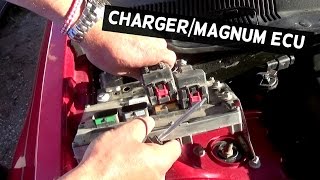
The ECM on the 2016-2017 Charger, Challenger, and 300 is located in the same place on all three models: in the engine compartment on the passenger side, under the plastic cowl panel near the strut tower.
Step-by-Step Replacement Guide (Physical Swapping)
- Disconnect the Battery: Using a 10mm socket, disconnect the negative battery terminal in the trunk. This is a critical safety step.
- Access the ECM: Open the hood. Remove the plastic push pins holding the cowl cover on the passenger side and remove the cover.
- Unbolt the Bracket: Use a 13mm socket to remove the single bolt holding the ECM's metal mounting bracket to the vehicle's body.
- Remove Bracket from ECM: Use a 10mm socket to remove the two bolts that secure the bracket to the ECM itself. Remove the bracket.
- Disconnect Connectors: The ECM has two large electrical connectors. Press the center release button on each connector and swing the locking lever to unplug them.
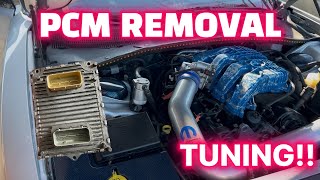
- Remove the ECM: The module can now be removed from the vehicle. 🎬 See this walkthrough for removing the PCM on 2015+ models
Installation is the reverse of removal. However, the vehicle will not start or run correctly until the new ECM is programmed.
Warning: The most complex part of this job is not the physical replacement, but the software programming that must follow. Failure to program the ECM correctly will result in a no-start condition due to the vehicle's anti-theft system.
Buying a Used Engine Control Module (ECM)
Purchasing a used OEM ECM is a cost-effective solution, but it requires careful attention to detail to avoid compatibility issues. Given the need for programming, this is not a simple plug-and-play part unless you buy it from a specialized vendor.
- The #1 Rule: Buy a Pre-Programmed Unit. The single most important factor is programming. Many online sellers of used and remanufactured ECMs offer a "Plug and Play" service. You provide them with your vehicle's 17-digit VIN when you order, and they flash the used module with your car's specific data before shipping it. This service clones your vehicle's VIN and immobilizer information, making the installation process much simpler.
- Verify the Part Number: Ensure the module you are buying is OEM part number 68243307AB, which supersedes the earlier 68243307AA. This hardware is correct for 2016-2017 Charger, Challenger, and 300 models with the 5.7L or 6.4L V8 engine.
- Inspect for Damage: When buying online, carefully examine photos of the module. Look for any signs of physical damage, bent pins, or corrosion on the connectors. Avoid any units that show evidence of water damage.
- Key Relearn Procedure: Even with a pre-programmed ECM, you may need to perform a simple "key relearn" procedure so the module recognizes your existing keys. This often involves a simple process like turning the key to the 'On' position for a few seconds, and the seller should provide instructions.
- Why Used OEM is a Good Choice: A used, factory OEM module that has been properly programmed is often more reliable than a new, cheap aftermarket unit. The hardware is built to factory standards, and as long as the software is correctly matched to your VIN, it will function just like the original.
Cost Comparison for ECM Replacement
Prices can vary, but here is a general breakdown of what to expect:
| Part Type | Estimated Cost | Notes |
|---|---|---|
| New OEM | $750 - $1,100 | Purchased from a dealership. Often has a core charge of around $125. Still requires dealer programming. |
| New Aftermarket | $300 - $600 | Quality can be inconsistent. May have different programming requirements. |
| Used OEM (Pre-Programmed) | $150 - $400 | Best value. Purchased from a specialist who flashes it with your VIN before shipping. |
| Remanufactured (Pre-Programmed) | $200 - $500 | Original unit that has been repaired, tested, and flashed with your VIN. |
| Shop Labor (Physical Swap & Program) | $150 - $300 | Labor for physical install is low (~1 hour), but programming adds time and cost. RepairPal's estimate of $70-$103 is likely too low as it may not account for programming time. |
Frequently Asked Questions (FAQ)
Does a replacement ECM need to be programmed?
Yes, absolutely. The ECM is tied to your vehicle's VIN and the Sentry Key Immobilizer (anti-theft) system. A module from another vehicle will not work without being reprogrammed with your car's specific VIN. The vehicle will not start.
🎬 Watch: How to program your VIN into a replacement PCMCan I replace the ECM myself?
The physical replacement is straightforward for a DIY mechanic with basic tools. However, the programming is the difficult part. The most feasible DIY approach is to buy a pre-programmed "plug-and-play" ECM from a reputable remanufacturer or used parts supplier who flashes your VIN before shipping.
Can a locksmith program a new ECM or does it have to be the dealer?
An automotive locksmith or a well-equipped independent shop can often program a new or used ECM, provided they have a professional-grade scan tool (like an advanced Autel) or a J2534 pass-through device and a subscription to FCA's technical software. However, not all shops have this capability. A dealership is always able to perform the programming.
My cruise control stopped working. Is it the ECM?
It could be, but first, check if your vehicle is affected by safety recall U60 / 18V-332. This recall addresses a software issue that can cause cruise control problems, and the fix is a free software update from the dealer. This should be your first step before replacing any parts.
Helpful Videos

Technical Specifications
OEM Part Numbers: 68243307AA 68243307AB
Fits 2016-2017 Dodge Charger, Dodge Challenger, and Chrysler 300 with 5.7L or 6.4L V8 engines.
We Have This Part in Stock



The information in this article is provided for general reference and educational purposes only. Vehicle specifications, procedures, and part compatibility can vary by production date, trim level, and region. Always consult your vehicle's factory service manual and verify part numbers before purchasing or performing repairs. Safety-critical components such as airbags, seat belts, and braking systems should be installed by a qualified professional.
- Dodge Charger:
- Chrysler 300:
- Dodge Challenger:
- 🎬 Helpful Videos
- 🛍️ Shop This Part
- Symptoms of a Failing ECM
- Common Diagnostic Trouble Codes (DTCs)
- Known Issues, Recalls, and Technical Service Bulletins (TSBs)
- Safety Recall: Cruise Control May Not Disengage
- Technical Service Bulletins (TSBs)
- Diagnosing and Replacing the ECM
- Step-by-Step Replacement Guide (Physical Swapping)
- Buying a Used Engine Control Module (ECM)
- Cost Comparison for ECM Replacement
- Frequently Asked Questions (FAQ)
- 🎟️ Get 5% Off