

2015 Charger, 300 & Challenger ECM: A Guide to VIN Programming, Recalls, and Replacement
Replacing the brain of your 2015 Dodge Charger, Chrysler 300, or Dodge Challenger? Here's what you must know about VIN-locked modules, critical software updates, and common failure symptoms.
- A replacement ECM for a 2015 Charger, 300, or Challenger MUST be programmed to the vehicle's VIN to function.
- Buying a used or remanufactured ECM that is pre-programmed to your VIN online is the most cost-effective solution for most owners.
- Check for open recalls, especially NHTSA 18V-332, which involves a free dealer software update that can fix cruise control issues.
- Physical replacement is simple (less than an hour), but the total cost is driven by the part and the need for specialized electronic programming.
Symptoms of a Failing ECM
A faulty Engine Control Module can create symptoms that often mimic other failing parts, making diagnosis tricky. If you experience several of the following issues, the ECM should be a primary suspect.
- Check Engine Light: An illuminated Check Engine Light is a common symptom. Codes specifically pointing to an internal module failure, such as P0601 (Internal Control Module Memory Check Sum Error) or P0606 (ECM/PCM Processor Fault), are strong indicators of a bad ECM.
- Engine Stalling or Shutting Off: The vehicle may stall unexpectedly while driving or at idle. This can be intermittent and happen without warning.
- No-Start or Intermittent Starting: The engine may crank but refuse to start, or it may start unreliably. This happens because the ECM is not correctly commanding the fuel and spark systems.
- Poor Engine Performance: You may notice a significant loss of power, hesitation during acceleration, or a rough, stumbling idle.
- Reduced Fuel Economy: A sudden, unexplained drop in gas mileage can be caused by the ECM failing to manage the air-fuel mixture correctly.
- Erratic Transmission Shifting: On automatic transmission models, the ECM controls shifting. A bad module can cause hard, delayed, or incorrect gear shifts.
- Communication Failure: In some cases, a diagnostic scan tool may be unable to communicate with the ECM, which points directly to a problem with the module itself. 🎬 Watch: A visual guide to common ECM failure symptoms
Known Issues, Recalls, and Technical Service Bulletins (TSBs)
For the 2015 model year, there is one major safety recall directly related to the ECM software that owners of the Dodge Charger, Chrysler 300, and Dodge Challenger should be aware of.
NHTSA Recall 18V-332 (FCA Campaign U60): Cruise Control May Not Disengage
A significant software flaw in the Powertrain Control Module could prevent the cruise control from being deactivated. If a short circuit occurs while cruise control is active, the driver may not be able to turn it off by pressing the brake or the button. This could cause the vehicle to maintain speed or accelerate unexpectedly, increasing the risk of a crash.
Affected Vehicles: 2014-2018 Dodge Charger, 2014-2018 Chrysler 300, and 2015-2018 Dodge Challenger.
Solution: Dealers will perform a software update on the Powertrain Control Module free of charge. It is crucial to have this recall performed, as it directly impacts vehicle safety. You can check if your vehicle is affected by entering your VIN on the NHTSA website.
Pro Tip: Before replacing an ECM for a drivability issue, ensure all safety recalls, especially software updates like 18V-332, have been completed by a dealership. Sometimes, a simple reflash is all that's needed to fix the problem.
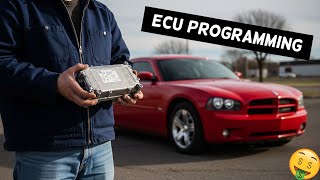
ECM Programming: The Most Critical Step
For 2015 and newer Chrysler, Dodge, and Jeep vehicles, the ECM is electronically tied to the vehicle's Vehicle Identification Number (VIN) and its anti-theft system (also known as SKIM or PATS). You cannot simply swap a used ECM from another vehicle and expect it to work. The vehicle will not start.
Warning: A replacement ECM—whether it is new, used, or remanufactured—MUST be programmed to your specific vehicle's VIN. Failure to do so will result in a no-start condition.
Programming Options:
- Pre-Programmed Modules: Many online retailers sell used or remanufactured ECMs that are pre-programmed to your vehicle. You provide your VIN at the time of purchase, and they flash the correct software and security information to the module before shipping it. This makes the installation "plug-and-play" and is often the easiest and most cost-effective solution for DIYers.
- Dealership or Independent Shop: You can purchase a used or new module and have a dealership or a properly equipped independent auto repair shop program it for you. They use specialized tools like FCA's wiTECH software to perform this service. 🎬 See how a professional programs a new Dodge or Chrysler computer This is a reliable option but typically more expensive.
Replacement Guide
Physically replacing the ECM on a 2015 Charger, 300, or Challenger is a straightforward job that can be done with basic hand tools. The location and procedure are nearly identical across all three models.
🎬 Watch: Step-by-step PCM removal for your Charger or 300Tools Required:
- Ratchet with 10mm and 13mm sockets
- Plastic trim removal tool
Location: The ECM is located in the engine bay on the passenger side, underneath the plastic cowl panel near the base of the windshield and strut tower.
Step-by-Step Instructions:
- Disconnect the Battery: The battery is located in the trunk. Use a 10mm socket to disconnect the negative battery terminal to prevent electrical damage.
- Remove the Cowl Cover: Use a plastic trim tool to remove the plastic push pins holding the cowl cover in place. Lift the cover off to expose the ECM.
- Unbolt the ECM Bracket: A single 13mm bolt typically holds the ECM and its mounting bracket to the strut tower. Remove this bolt. There may also be two 10mm bolts securing the module to its bracket that need to be removed.
- Disconnect the Connectors: The ECM has two large electrical connectors, often with red locking tabs. Push the center release button on the connector and slide the locking tab outwards. This will lever the connector off the module.
- Remove the ECM: With the connectors unplugged and bolts removed, the ECM can be lifted out of the vehicle.
- Installation: Installation is the reverse of removal. Secure the new ECM, plug in the connectors until the locking tabs click, re-bolt the bracket, reinstall the cowl cover, and finally, reconnect the battery.
Buying a Used Engine Control Module (ECM)
Purchasing a used OEM ECM is an excellent way to save a significant amount of money compared to a new part from the dealership. However, there are critical factors to consider for this specific component.
- Programming is Everything: The single most important factor is programming. A used ECM is just a paperweight without it. Either buy from a seller who will pre-program it to your VIN or have a solid plan to get it programmed by a professional immediately after purchase.
- Match the Part Number: While programming is key, it's always best practice to match the OEM part number from your original module. The main hardware numbers for these vehicles are often 05150883AC or 05150883AD, but many other numbers may supersede or be compatible. Confirm with the seller that the part is correct for your year, make, model, and engine.
- Physical Inspection: When you receive the part, inspect it for any signs of physical damage. Look for corrosion on the pins, cracks in the casing, or bent connector pins. Do not install a module that looks damaged.
- Reputable Sellers: Buy from established sellers who specialize in automotive electronics and offer a warranty. A warranty protects you if the module is dead on arrival or fails shortly after installation.
Cost Comparison
The cost of replacing an ECM can vary dramatically depending on the path you choose.
| Part/Service | Estimated Cost | Notes |
|---|---|---|
| New OEM (Dealer) | $550 - $800 (Part Only) | Does not include labor or programming. A core charge of ~$125 is also common. |
| Remanufactured / Used OEM (Pre-Programmed) | $170 - $350 | Often includes a warranty and is ready for plug-and-play installation. |
| Shop Labor (Installation) | $75 - $110 | The physical swap is quick, typically less than one hour of labor. |
| Shop Labor (Programming Only) | $150 - $400 | Cost for a dealer or shop to program a module you provide. |
| Total Dealer Replacement | $900 - $1,400+ | Includes new OEM part, installation, and programming. |
Frequently Asked Questions (FAQ)
Do I absolutely have to program a replacement ECM?
Yes. For any 2015 Dodge Charger, Chrysler 300, or Dodge Challenger, programming is not optional. The ECM is linked to the vehicle's anti-theft system. Without programming the correct VIN, the car will not start.
Can I program the ECM myself?
For the average DIY mechanic, the answer is no. Programming requires expensive, professional-grade diagnostic tools and a subscription to FCA's software (wiTECH). The most practical DIY solution is to buy a pre-programmed module online.
Will the car start right after I install a used, un-programmed ECM?
No. The immobilizer will prevent the engine from starting. The module must be flashed with your car's VIN and security information first.
Is there a difference in the ECM between the Charger, 300, and Challenger?
The physical hardware is often the same or very similar, especially for vehicles with the same engine (e.g., 3.6L V6 or 5.7L V8). The critical difference is the software. The correct software file for the specific model, engine, and options must be programmed to the module.
Helpful Videos

Technical Specifications
OEM Part Numbers: 05150883AC 5150883AC 05150883AD 5150883AD P05150883AD P68230316AD 68230322AE 68280995AA 68230323AD
Location: Engine bay, passenger side, under the cowl cover. Connectors: Two large multi-pin connectors, typically with different colored housings and red locking tabs.
We Have This Part in Stock



The information in this article is provided for general reference and educational purposes only. Vehicle specifications, procedures, and part compatibility can vary by production date, trim level, and region. Always consult your vehicle's factory service manual and verify part numbers before purchasing or performing repairs. Safety-critical components such as airbags, seat belts, and braking systems should be installed by a qualified professional.
- Dodge Charger:
- Chrysler 300:
- Dodge Challenger:
- 🎬 Helpful Videos
- 🛍️ Shop This Part
- Symptoms of a Failing ECM
- Known Issues, Recalls, and Technical Service Bulletins (TSBs)
- NHTSA Recall 18V-332 (FCA Campaign U60): Cruise Control May Not Disengage
- ECM Programming: The Most Critical Step
- Programming Options:
- Replacement Guide
- Step-by-Step Instructions:
- Buying a Used Engine Control Module (ECM)
- Cost Comparison
- Frequently Asked Questions (FAQ)
- 🎟️ Get 5% Off