

2008-2010 Charger, 300, Challenger & Magnum ECM: Why VIN Programming is Not Optional
This guide covers the essential compatibility rules and mandatory programming for the V6 Engine Control Module in these popular Chrysler and Dodge vehicles.
- Programming is mandatory. A replacement ECM must be programmed to your car's VIN to work with the anti-theft system.
- Compatibility is strict. This module only fits 2.7L V6 or 3.5L V6 RWD models with a 4-speed automatic transmission.
- "Plug and Play" is your best option. Ordering a used or remanufactured ECM that is pre-programmed to your VIN is the easiest and most cost-effective solution.
- Physical replacement is very easy. The ECM is held by one bolt and three simple connectors, making the swap a 15-minute job for a DIYer.
Symptoms of a Failing ECM
A faulty Engine Control Module can cause a wide range of problems, from noticeable performance issues to your car not starting at all. Because the ECM controls so many functions, symptoms can sometimes be mistaken for other issues. However, if you experience several of the following, the ECM is a likely culprit.
- Check Engine Light: A constant check engine light is a common sign. The light may stay on even after clearing codes, or you may see codes related to various sensors or circuits all at once.
- Engine Stalling or Misfiring: The engine may stall unexpectedly, either at idle or while driving. You might also experience a rough idle, engine stumbling, or misfires as the ECM fails to correctly manage fuel and spark.
- Car Won't Start: This can manifest in two ways. The engine may crank but never start, or it may start for a second and then immediately shut off. The start-and-stall issue is a classic sign of an anti-theft system problem, which is directly tied to the ECM.
- Poor Performance and Fuel Economy: You may notice a sudden drop in gas mileage or a significant loss of power and acceleration. The vehicle might feel sluggish or hesitate when you press the gas pedal.
- Erratic Transmission Shifting: For vehicles covered by this module, the ECM plays a role in transmission behavior. A failing module can cause harsh, delayed, or unpredictable shifting with the 4-speed automatic transmission.
Common Diagnostic Trouble Codes (DTCs)
A failing ECM often won't set a code for itself (e.g., "P0601: Internal Control Module Memory Check Sum Error"). Instead, you're more likely to see codes for the systems it controls. You might find multiple, seemingly unrelated codes for injector circuits, sensor reference voltage, or communication errors. If you see a code like P0633 (SKIM Key Not Programmed), it points directly to a programming issue between the ECM and the anti-theft system. Additionally, a technical service bulletin (TSB) exists for some models that can erroneously throw a P2181 (Cooling System Performance) code, which is resolved by a software update to the ECM.
Buying a Used Engine Control Module: What You Must Know
Replacing the ECM in these vehicles isn't as simple as swapping the part. Due to strict compatibility and anti-theft requirements, you must follow specific steps to ensure the replacement module will work.
1. Verify Part Number and Engine/Drivetrain Compatibility
This is the first and most critical step. This specific ECM was used in several vehicles but only with specific engines and drivetrains.
- Fits vehicles with the 2.7L V6 engine.
- Fits vehicles with the 3.5L V6 engine, BUT ONLY if the vehicle is Rear-Wheel Drive (RWD) and has a 4-speed automatic transmission.
Do not attempt to use an ECM from a 5.7L Hemi or a 3.5L High-Output All-Wheel Drive (AWD) model. The programming and hardware are different and will not work. Always match the OEM part number from your original module to the replacement. Known compatible part numbers include 05187010AD, 5150246AD, 5150246AE, 51870110AD, 5187021AD, and 68054120AD.
Warning: Installing an ECM from a vehicle with a different engine or drivetrain configuration will lead to a no-start condition or severe drivability problems. The internal logic for managing the engine and transmission is fundamentally different.
2. The #1 Rule: Programming is NOT Optional
A used ECM will not work if you simply install it. Every ECM is electronically tied to the original vehicle's Vehicle Identification Number (VIN). It is also linked to the Sentry Key Immobilizer Module (SKIM), which reads the chip in your key.
If you install an unprogrammed ECM, one of two things will happen:
- The car will not crank at all.
- The car will start, run for 2-3 seconds, and then immediately shut off. This is the SKIM system doing its job, preventing theft by shutting down the engine when it doesn't recognize the ECM.
3. How to Get a Replacement ECM Programmed
You have three main options for programming a replacement ECM:
- "Plug and Play" Pre-Programmed Module: This is the most popular option for DIYers. Many online retailers sell used or remanufactured ECMs that are pre-programmed before they are shipped. You provide the seller with your car's VIN during checkout, and they flash the module so it's ready for installation upon arrival. This makes the replacement a true "plug and play" process with no special tools needed.
- Dealership: A Chrysler, Dodge, or Jeep dealership can program a new or used ECM to your vehicle using their proprietary WiTech diagnostic tool. This is a guaranteed but often most expensive option.
- Independent Repair Shop: Some independent shops have advanced, professional-grade scan tools (like high-end Autel or Snap-on models) and the J2534 pass-through equipment required to perform factory-level programming. You will need to call ahead to confirm they have this capability for Chrysler vehicles.
Known Issues, Recalls, and Technical Service Bulletins (TSBs)
While there are no major recalls for widespread failure of the ECM itself, these vehicles have been subject to other recalls and TSBs you should be aware of.
- Airbag Recalls: Most of these vehicles were included in the massive Takata airbag recalls. The driver and/or passenger side airbag inflators could rupture, causing serious injury. This is a critical safety repair that should be performed by a dealer.
- Keyless Go Recall: Some 2008-2009 Dodge Challenger models had a recall (NHTSA #08V481000) where the engine could be turned off with the transmission not in Park, creating a rollaway risk.
- TSB 18-021-13 (2009 Challenger): This TSB addresses a condition where the vehicle may have reduced power immediately after a cold start if accelerating at wide-open throttle. The fix is to reprogram (flash) the PCM with updated software.
ECM Location and Replacement Overview
Physically replacing the ECM is a simple process that can be done with basic tools.
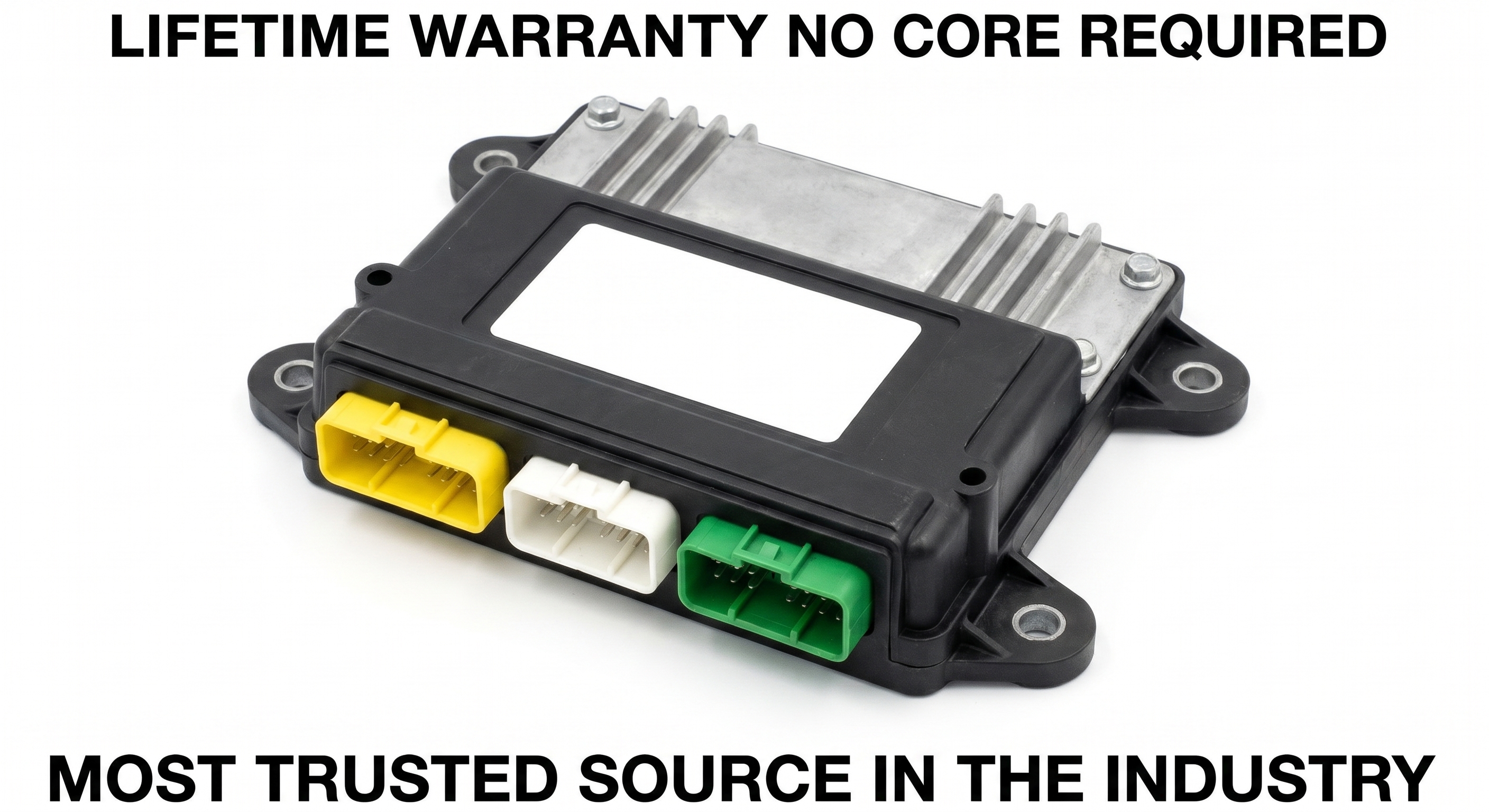
Location: The ECM is located in the engine compartment on the passenger side, near the firewall and shock tower. It is a silver metal box with three large electrical connectors.
Tools Needed: 13mm socket and ratchet.
- Disconnect the battery. This is a crucial safety step. The battery is located in the trunk. Disconnect the negative terminal.
- Locate the ECM. Find the silver module on the passenger side of the engine bay.
- Unplug the connectors. There are three large, color-coded connectors. Each has a red locking tab. Slide the red tab to the side, then press the release button and pull the connector lever to disengage it. The connectors are color-coded to prevent mixing them up.
- Remove the mounting bolt. A single 13mm bolt holds the ECM bracket in place. Remove this bolt.
- Remove the ECM. The module can now be lifted out of the vehicle.
- Installation is the reverse of removal. If you are using a pre-programmed module, the car should start and run normally after reconnecting the battery.
Pro Tip: Before buying a replacement, inspect your original ECM's connectors for any signs of corrosion, bent pins, or water damage. Sometimes, cleaning the connector contacts or repairing the wiring harness can solve the problem without needing a new module.
Cost Breakdown
The cost to get your vehicle back on the road can vary significantly based on the path you choose.
| Part or Service | Estimated Cost |
|---|---|
| New OEM (Dealer) | $800 - $1200+ |
| Remanufactured (Pre-Programmed) | $250 - $550 |
| Used OEM (Pre-Programmed) | $150 - $300 |
| Shop Labor (Physical Swap) | $50 - $100 |
| Shop Labor (Programming Only) | $100 - $250 |
Frequently Asked Questions (FAQ)
Do I have to take my car to the dealer to replace the ECM?
No. While a dealer can always perform the work, your best option is often to buy a pre-programmed ECM online and either install it yourself or have a local mechanic do the simple physical swap. This is usually much cheaper than buying the part and paying for programming at the dealership.
What happens if I install an ECM without programming it?
The engine will either not start, or it will start and then immediately stall after 2-3 seconds. This is the vehicle's anti-theft system (SKIM) activating because the ECM's VIN does not match the rest of the vehicle. The car will be undrivable.
Can I use an ECM from a 5.7L Hemi or an AWD model in my 3.5L RWD car?
No. The hardware and software are different. The ECM is programmed to manage specific engine parameters and transmission types. Using an incompatible module will not work and may risk damage to other electronic components.
Is it better to buy a used ECM or a remanufactured one?
Both are viable options. A remanufactured ECM has been tested, and any known-failing internal components have been replaced, so it may offer more long-term reliability and often comes with a warranty. A used OEM module is a perfectly good part that has been tested and pulled from a running vehicle. For most owners, a pre-programmed used OEM module offers the best combination of value and reliability.
Technical Specifications
OEM Part Numbers: 05187010AD 5150246AD 5150246AE 51870110AD 5187021AD 68054120AD
Engine Control Module for 2.7L V6 or 3.5L V6 (RWD, 4-Speed Auto only). Features three main harness connectors, color-coded for installation.
We Have This Part in Stock



The information in this article is provided for general reference and educational purposes only. Vehicle specifications, procedures, and part compatibility can vary by production date, trim level, and region. Always consult your vehicle's factory service manual and verify part numbers before purchasing or performing repairs. Safety-critical components such as airbags, seat belts, and braking systems should be installed by a qualified professional.
- Dodge Charger:
- Chrysler 300:
- Dodge Challenger:
- Dodge Magnum:
- 🛍️ Shop This Part
- Symptoms of a Failing ECM
- Common Diagnostic Trouble Codes (DTCs)
- Buying a Used Engine Control Module: What You Must Know
- 1. Verify Part Number and Engine/Drivetrain Compatibility
- 2. The #1 Rule: Programming is NOT Optional
- 3. How to Get a Replacement ECM Programmed
- Known Issues, Recalls, and Technical Service Bulletins (TSBs)
- ECM Location and Replacement Overview
- Cost Breakdown
- Frequently Asked Questions (FAQ)
- 🎟️ Get 5% Off