

2013 Charger & 300 Engine Control Module (ECM): Failure Symptoms and VIN Programming Guide
This guide covers the common failure symptoms of the ECM in the 2013 Dodge Charger and Chrysler 300 and explains the critical VIN programming required for any replacement.
- Any replacement ECM, whether new or used, MUST be programmed to your vehicle's VIN to function.
- A mismatched or unprogrammed ECM will trigger the anti-theft system and result in a no-start condition.
- The most convenient and cost-effective solution is to purchase a used or remanufactured ECM from a vendor who pre-programs it to your VIN before shipping.
- Common failure symptoms include stalling, no-start, rough idle, and a check engine light with internal module fault codes (P06xx).
- The physical replacement is easy for DIY, but programming requires expensive, specialized tools only found at dealers or high-end independent shops.
Symptoms of a Failing ECM

A failing Engine Control Module in a 2013 Dodge Charger or Chrysler 300 can cause a wide range of confusing and intermittent problems. Because the ECM controls so many functions, its failure can mimic other issues. Here are the most common signs to watch for:
- Check Engine Light: This is often the first and most obvious sign. The light may be steady or flashing. A flashing light indicates a severe misfire that could damage the catalytic converter.
- Engine Stalling or Misfiring: The engine may stall unexpectedly while driving or at idle. You might also experience a rough idle, stuttering, or hesitation during acceleration.
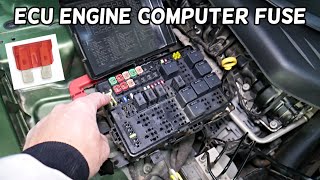
- No-Start Condition: The engine may crank but refuse to start. This can happen if the ECM is not sending the proper signals to the fuel pump or ignition system. In some cases, the starter may not engage at all. 🎬 Check this video to find and replace the ECM fuse.
- Poor Performance and Fuel Economy: A noticeable drop in gas mileage or a feeling that the car is sluggish and lacks power can be caused by an ECM that is not correctly managing the engine's fuel and timing.
- Erratic Shifting: The ECM works with the Transmission Control Module (TCM) to ensure smooth gear changes. A faulty ECM can send incorrect data, leading to harsh, delayed, or unpredictable shifting.
- Multiple Unrelated DTCs: A failing ECM can sometimes generate a flood of seemingly unrelated Diagnostic Trouble Codes (DTCs) for various sensors and systems. If you scan your vehicle and see codes for multiple different sensors, it could point to the central computer itself being the problem.
Common Diagnostic Trouble Codes (DTCs)
While many codes can indicate an ECM issue, codes in the P0600-P06FF range are specifically for computer and output circuit failures. Some common ones include:
- P0601: Internal Control Module Memory Check Sum Error
- P0606: ECM/PCM Processor Fault
- P1388 / P1389: Auto Shutdown (ASD) Relay Control Circuit issues
- P0300-P0308: Misfire codes for random or specific cylinders, which can be a symptom of incorrect ECM control.
- U0140: Lost Communication With Body Control Module.
Known Issues, Recalls, and Technical Service Bulletins (TSBs)

While there are no recalls specifically for ECM failure on the 2013 Charger and 300, several service campaigns involve reprogramming the module.
- NHTSA Recall 16V240000 (FCA Campaign S27): This recall addresses an issue with the electronic gear shifter that could allow the vehicle to roll away. The fix involves reprogramming the PCM and other modules to add an 'Auto Park' feature. This applies to 2012-2014 models.
- NHTSA Recall 18V-332 (FCA Campaign U60): This recall was for a cruise control fault that could prevent the driver from deactivating it. The remedy is a PCM software update. This campaign primarily targeted 2014-2018 models but could include some late-production 2013 vehicles.
- TSB 18-089-15: This Technical Service Bulletin was issued to address MIL illumination with codes like U0140 (Lost Communication With Body Control Module) and P0456 (EVAP Leak) on 5.7L models. The fix is to reprogram the PCM with updated software.
- TSB 18-073-20: This TSB involves a PCM software update to address various MIL illumination causes.
These bulletins highlight the importance of software. Sometimes, erratic behavior is not due to a failed ECM but rather outdated software that can be updated by a dealer.
Important: A widespread recall for alternator failure (NHTSA 14V-634 / FCA T36) affected 2011-2014 Charger and 300 models. A failing alternator can cause the vehicle to stall and may produce symptoms similar to a bad ECM. It is crucial to have the charging system properly tested before condemning the ECM.
Buying a Used Engine Control Module (ECM)

Purchasing a used OEM ECM is a cost-effective alternative to a new unit from the dealership, but it requires careful attention to detail. This is not a simple plug-and-play part.
Warning: An ECM from another vehicle will NOT work in your car without being programmed to your specific Vehicle Identification Number (VIN). The vehicle's anti-theft system will prevent the engine from starting.
Key Considerations:
- Part Number Matching: The part number on the replacement ECM should match your original module exactly. While some part numbers are interchangeable, matching them is the safest way to ensure compatibility. Many sellers note that the final two letters of the part number can often differ as they indicate software revisions.
- Pre-Programmed vs. Raw Used:
- Pre-Programmed ('Plug & Play'): Many online retailers sell used or remanufactured ECMs that are pre-programmed with your car's VIN before they are shipped. This is the most straightforward option for DIY installation, as it bypasses the need for a dealer visit. You will need to provide your VIN when ordering.
- Raw Used (from a salvage yard): A basic used ECM from a junkyard is the cheapest initial option ($50-$150) but will require professional programming at a dealership or a specialized independent shop, which can cost $150-$300 or more.
- Physical Inspection: When you receive the part, inspect it for any signs of damage. Check for corrosion on the housing, bent or corroded connector pins, and any evidence that the case has been opened, which could indicate a failed repair attempt.
- Cloning Services: Some companies offer a service where they clone the data from your original ECM to the replacement unit. This is an excellent option if your original module is still able to communicate, as it transfers all data, including the VIN and anti-theft information, creating an exact copy.
Replacement and Programming Guide

Physical Installation (DIY Feasible)
The physical replacement of the ECM is relatively simple and can be done with basic hand tools.
- Disconnect the Battery: The battery on these vehicles is in the trunk. Use a 10mm socket to disconnect the negative battery terminal to prevent electrical damage.
- Locate the ECM: The ECM is located in the engine bay, under the plastic cowl cover on the passenger side, near the base of the windshield.
- Access the ECM: Remove the plastic push pins holding the cowl cover in place and lift the cover to expose the module.
- Disconnect the Connectors: There are two large electrical connectors attached to the ECM. Push the release button on each connector and lift the locking lever to unplug them.
- Unbolt the Module: The ECM is typically held in a bracket. Remove the bolts (usually 10mm or 13mm) securing the module and/or its bracket to the vehicle's body.
- Install the New Module: Installation is the reverse of removal. Secure the new ECM, plug in the connectors, replace the cowl cover, and reconnect the battery. 🎬 Watch this step-by-step guide on removing the PCM.
Programming (Professional Required)
Pro Tip: The easiest path for a successful replacement is to buy a pre-programmed ECM that is flashed to your VIN before it ships. This makes the installation truly 'plug and play'.
If you install a non-programmed ECM, the vehicle will not start. You have two main options for programming:
- Dealership: A Chrysler, Dodge, or Jeep dealer can program the new module using their proprietary wiTECH software. This is the most reliable, albeit most expensive, option.
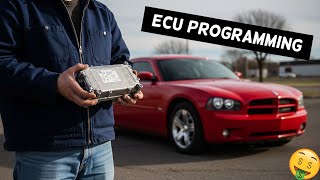
- Specialized Independent Shop/Locksmith: Some high-end independent shops or automotive locksmiths have advanced tools like the Autel MaxiSys IM608 that can perform VIN writing and security key adaptation. However, this is a complex procedure that requires pulling the vehicle's PIN code and is not something every shop can do. 🎬 See how a new engine computer is programmed.
Cost Comparison
The cost to replace the ECM can vary significantly based on the part source and labor for programming.
| Item | Estimated Cost | Notes |
|---|---|---|
| New OEM (Dealer) | $600 - $900 (Part Only) | Does not include programming or labor. Often has a core charge. |
| Remanufactured (Pre-Programmed) | $250 - $500 | Best value. Includes the part and programming service. Ready for DIY installation. |
| Used OEM (Salvage Yard) | $50 - $150 (Part Only) | Cheapest part cost, but requires separate programming. |
| Shop/Dealer Labor (Installation) | $70 - $125 | For the physical swap, which takes less than an hour. |
| Shop/Dealer Labor (Programming) | $150 - $300 | Required for new or used, non-programmed modules. |
| Total Dealer Replacement | $1,000 - $1,500+ | Includes new OEM part, diagnosis, installation, and programming. |
Frequently Asked Questions (FAQ)
Can I drive my car with a bad ECM?
It is not recommended. If the symptoms include sudden stalling, the vehicle is unsafe to drive. Even if it seems to run, unpredictable engine behavior could leave you stranded or cause a dangerous situation in traffic.
Do I have to go to the dealer to program a new ECM?
Not necessarily. The most popular alternative is ordering a pre-programmed unit from a specialized online seller. Some highly-equipped independent shops can also perform the programming, but you must confirm they have the specific Chrysler-compatible tools and experience.
What happens if I install an ECM from another car without programming it?
The engine will not start. The VIN in the replacement ECM will not match the VIN stored in the other modules of your car, and the anti-theft system (immobilizer) will activate, preventing the engine from running.
Will a used ECM show the wrong mileage on my car?
No. The vehicle's mileage is primarily stored in the instrument cluster and/or the Body Control Module (BCM), not the ECM. Swapping the ECM will not change the mileage displayed on your odometer.
Is an ECM the same as a PCM or ECU?
Yes. The terms Engine Control Module (ECM), Powertrain Control Module (PCM), and Engine Control Unit (ECU) are often used interchangeably to refer to the same part.
Helpful Videos

Technical Specifications
OEM Part Numbers: 05150723AC 5150723AC 68171323AD 68171336AF 68171348AC RL150723AC 05150696AC 68171351AG 68171352AG 68171366AF 68171308AC 68171309AC 68171323AF 68171324AF 68171325AF 68171330AD 68171331AF 68171332AF 68171333AF 68171334AF 68171347AF 68171371AF 68171373AF 68171374AF
Location: Engine bay, passenger side, under the windshield cowl. Connectors: Two large multi-pin electrical connectors.
We Have This Part in Stock



The information in this article is provided for general reference and educational purposes only. Vehicle specifications, procedures, and part compatibility can vary by production date, trim level, and region. Always consult your vehicle's factory service manual and verify part numbers before purchasing or performing repairs. Safety-critical components such as airbags, seat belts, and braking systems should be installed by a qualified professional.
- Dodge Charger:
- Chrysler 300:
- 🎬 Helpful Videos
- 🛍️ Shop This Part
- Symptoms of a Failing ECM
- Common Diagnostic Trouble Codes (DTCs)
- Known Issues, Recalls, and Technical Service Bulletins (TSBs)
- Buying a Used Engine Control Module (ECM)
- Key Considerations:
- Replacement and Programming Guide
- Physical Installation (DIY Feasible)
- Programming (Professional Required)
- Cost Comparison
- Frequently Asked Questions (FAQ)
- 🎟️ Get 5% Off