

2004 Chrysler Sebring & Dodge Stratus Coupe ECM: The Critical Mitsubishi-Platform Module
This guide covers the unique, coupe-only Engine Control Module (ECM), its common failures, and the crucial programming requirements you must know before buying a replacement.
- This ECM is for 2004 Chrysler Sebring and Dodge Stratus COUPE models ONLY. It will not work in sedans or convertibles.
- A replacement ECM (new or used) MUST be programmed to your vehicle's VIN to start the car.
- Dealers will not program a used ECM; you must use a mail-in service or a specialized independent shop.
- A cost-effective workaround is buying a matched set: ECM, immobilizer module, and key from the same donor car.
- The ECM is located behind the glove box and is relatively easy to physically replace.
The #1 Most Important Fact: Coupe vs. Sedan/Convertible
Warning: The Engine Control Module for the 2004 Chrysler Sebring Coupe and 2004 Dodge Stratus Coupe is NOT the same as the one for the Sedan or Convertible models. These coupes are built on a Mitsubishi platform (related to the Mitsubishi Eclipse), while the sedans and convertibles are built on a Chrysler platform. The parts are completely different and will not work if swapped.
When searching for a replacement ECM, you must ensure it is specifically for a Coupe model. The correct OEM part numbers for the coupe's ECM are generally MN132959 and MN1352595. An ECM for a 2.4L or 2.7L sedan/convertible will not be compatible with your coupe's 2.4L or 3.0L Mitsubishi-based engine.
Symptoms of a Failing ECM
A failing ECM can cause a wide range of confusing and intermittent problems. Because it controls so many functions, the symptoms can often mimic other failures, like bad sensors or wiring. Here are the most common signs that your ECM may be faulty:
- Check Engine Light: The check engine light may be on. In some cases, with a failing Chrysler/Dodge ECM, the light may flash when you turn the key to the 'ON' position without starting the engine, which is a strong indicator of an internal computer problem.
- Engine Stalling or Misfiring: The engine may stall unexpectedly, run rough, or misfire on one or more cylinders. This can be caused by the ECM failing to properly command the fuel injectors or ignition coils.
- Crank, No Start: This is a classic symptom. The engine will turn over with the starter, but it won't fire up because the ECM is not providing the necessary fuel and spark signals.
- Loss of Injector Pulse or Spark: A mechanic may diagnose a lack of signal to the fuel injectors or ignition coils. If the wiring and the components themselves are good, the fault often lies with the ECM's internal driver circuit.
- Poor Engine Performance: You might experience a sudden drop in fuel economy, a loss of power, or hesitation during acceleration.
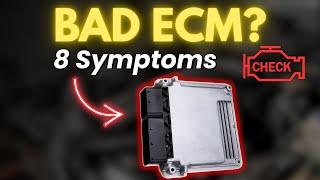
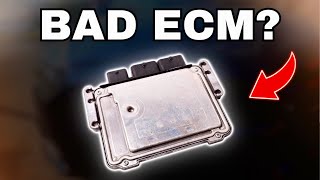
- Communication Failure: A professional scan tool may be unable to communicate with the ECM. If other modules on the vehicle are communicating, it points towards an isolated ECM failure. 🎬 See why you shouldn't ignore these critical ECM warning signs
- Multiple, Unrelated Trouble Codes: The ECM may store a variety of seemingly random fault codes for different sensors at the same time. Common codes associated with internal ECM failure include P0600-P0606, P1696, and P1697.
Buying a Used Engine Control Module
Given that a new OEM module can be extremely expensive, a used OEM ECM is often the most practical solution. However, you cannot simply swap one from another car without taking proper steps.
- Match the Part Number EXACTLY: The most critical step is to match the OEM part number from your original ECM to the used one you are buying. Even a one-digit difference can mean it's for a different engine, transmission, or emissions setup. The part number is printed on the label of the module.
- Physical Inspection: When you receive the used ECM, inspect it for any signs of physical damage, such as a cracked case or bent pins on the connectors. Check for signs of water intrusion or corrosion, which is a common cause of failure.
- Understand Programming Requirements: A used ECM will not be a simple 'plug-and-play' swap. It contains the Vehicle Identification Number (VIN) and anti-theft data from its original vehicle. It MUST be reprogrammed to work in your car.
Pro Tip: One way to bypass the programming and immobilizer issue is to purchase a complete, matched set from a donor vehicle. This includes the Engine Control Module (ECM), the immobilizer module, the ignition switch, and the corresponding key. This ensures all components recognize each other and can be a plug-and-play solution, though it requires more parts to be swapped.
Programming, Flashing, and the Immobilizer
This is the most common point of failure for DIYers replacing an ECM. A replacement ECM, whether new or used, must be programmed to your vehicle's specific VIN.
- Why is Programming Required? The ECM needs to communicate with other computer modules in the car. Programming it with your car's VIN allows this communication to happen. It also syncs the ECM with the vehicle's anti-theft immobilizer system. Without this step, the car will not start.
- Who Can Program It? A Chrysler/Dodge dealership can program a new ECM, but they will almost always refuse to program a used one you bring to them. Your best options are specialized automotive electronics shops or mail-in programming services. You can buy a used ECM, mail it to them along with your car's VIN, and they will flash it and send it back ready for installation.
- Plug-and-Play Sellers: Many online sellers of used and remanufactured ECMs offer a 'plug-and-play' service. You provide your VIN when you order, and they program the module before shipping it to you. This is often the easiest solution.
Replacement Location and Procedure
On the 2004 Chrysler Sebring Coupe and Dodge Stratus Coupe, the ECM is located in the passenger-side footwell, behind the glove box and a plastic ventilation duct. Replacement is straightforward for a DIYer with basic tools.
- Disconnect the Battery: Always disconnect the negative battery terminal before working on any vehicle electronics.
- Access the Module: You will likely need to remove the glove box and a small plastic air vent to gain clear access to the ECM.
- Disconnect and Remove: Unplug the electrical connectors from the ECM. They have locking tabs that need to be released. Then, unbolt the module from its mounting bracket on the firewall.
- Install the New Module: Installation is the reverse of removal. Bolt the new ECM in place, plug in the connectors securely, reassemble the trim, and reconnect the battery.
| Part/Service | Estimated Cost |
|---|---|
| New OEM ECM (Part Only) | $900 - $1500+ |
| Remanufactured (Pre-Programmed) ECM | $200 - $400 |
| Used OEM ECM (Unprogrammed) | $50 - $150 |
| Mail-In Programming Service | $100 - $150 |
| Shop Labor (Replacement Only) | $60 - $100 |
Known Issues, Recalls, and TSBs
As of early 2026, there are no widespread recalls or Technical Service Bulletins (TSBs) from the NHTSA specifically for Engine Control Module failure on the 2004 Chrysler Sebring Coupe or Dodge Stratus Coupe. There are recalls for these models related to fuel pumps and seat belts, but not the ECM itself.
Frequently Asked Questions (FAQ)
Can I use an ECM from a 2004 Sebring Sedan in my 2004 Sebring Coupe?
No, absolutely not. The coupe is a Mitsubishi-based vehicle, while the sedan is a Chrysler-based vehicle. The electronics and engine systems are completely different and the parts are not interchangeable.
Can I drive my car with a bad ECM?
It is not recommended. A failing ECM can cause the engine to stall at any time, including at high speeds or in traffic, which is a major safety hazard. If you suspect your ECM is failing, you should have the vehicle diagnosed and repaired as soon as possible.
Do I need a dealer to install a replacement ECM?
No. The physical installation is simple. However, the module does require programming. While a dealer can do this for a new part, you will need to use a specialized shop or a mail-in service if you are using a used or remanufactured ECM.
Where is the ECM located on the 2004 Stratus/Sebring Coupe?
The ECM is located inside the car, in the passenger-side footwell. It is mounted to the firewall, behind the glove box.
Helpful Videos
Technical Specifications
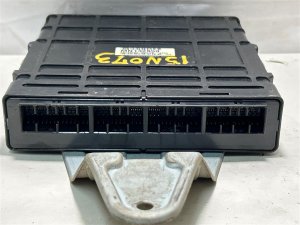
OEM Part Numbers: MN132959 MN1352595
This module is specific to the Mitsubishi-based platform used for the 2004 Chrysler Sebring Coupe and Dodge Stratus Coupe. It is not compatible with Chrysler-platform sedans or convertibles.
We Have This Part in Stock

The information in this article is provided for general reference and educational purposes only. Vehicle specifications, procedures, and part compatibility can vary by production date, trim level, and region. Always consult your vehicle's factory service manual and verify part numbers before purchasing or performing repairs. Safety-critical components such as airbags, seat belts, and braking systems should be installed by a qualified professional.
- Chrysler Sebring:
- Dodge Stratus:
- 🎬 Helpful Videos
- 🛍️ Shop This Part
- The #1 Most Important Fact: Coupe vs. Sedan/Convertible
- Symptoms of a Failing ECM
- Buying a Used Engine Control Module
- Programming, Flashing, and the Immobilizer
- Replacement Location and Procedure
- Cost Comparison
- Known Issues, Recalls, and TSBs
- Frequently Asked Questions (FAQ)
- 🎟️ Get 5% Off