

2001 Sebring & Stratus 2.7L ECM Failure: Stalling, No-Start, and Programming Guide
Diagnosing and replacing the engine computer in your 2.7L V6 Chrysler Sebring or Dodge Stratus, and why programming is a critical, non-optional step.
- Programming is NOT optional. A replacement ECM must be programmed to your vehicle's VIN and anti-theft system (SKIM) to function.
- This ECM is ONLY for the 2.7L V6 engine. Modules from other engine sizes will not work.
- A known TSB (#01001) points to internal voltage regulator failure causing no-start conditions in the cold, confirming a common failure mode.
- Before replacing the ECM, always rule out simpler issues like fuses, the ASD relay, and especially the crank/cam position sensors.
Symptoms of a Failing ECM

When the ECM in a 2001 Chrysler Sebring or Dodge Stratus begins to fail, it can cause a wide range of confusing and intermittent problems. Because the ECM controls so many functions, symptoms can be electrical, mechanical, or both. Often, the symptoms can be mistaken for other issues, so it's important to diagnose the problem carefully before replacing the ECM.
- Engine Stalling or Misfiring: The engine may stall unexpectedly while driving or at idle. You might also experience engine stuttering, misfires, or a rough idle.
- Car Will Not Start: A very common symptom is a 'crank, no-start' condition, where the engine turns over but never fires up. This can be due 🎬 Watch: Diagnosing a no-fire condition caused by a bad ECM to the ECM not sending the correct signals for spark or fuel injection.
- Check Engine Light: An illuminated Check Engine Light is a sure sign something is wrong. While many issues can trigger the light, codes specifically related to internal module failure (like P0601 or P0605) point directly to the ECM.
- Poor Performance and Fuel Economy: You may notice a sudden drop in gas mileage or a significant loss of power and acceleration.
- Erratic Transmission Shifting: The ECM communicates with the transmission controller. A faulty ECM can send bad data, leading to hard, delayed, or irregular gear shifts.
- No Communication with Scan Tool: If a diagnostic scan tool cannot connect to the vehicle's computer, it's a strong indication that the ECM itself has failed.
Known Issues, TSBs, and Recalls

While there are no specific recalls for the ECM on these vehicles, Chrysler did issue a Technical Service Bulletin (TSB) that is highly relevant.
- TSB #01001 (January 16, 2001): This bulletin addresses a no-start condition in cold temperatures. The cause is identified as a failure of the 5-volt regulator inside the ECM (referred to as the SBEC/PCM module in the TSB). This is a known internal failure point for these modules.
There have been nine safety recalls for the 2001 Chrysler Sebring, but none pertain to the Engine Control Module. Issues addressed include sun visors, transaxle cooler hoses, and seat mounting bolts.
Diagnosing a Faulty ECM

Because ECM replacement is expensive and requires programming, it should be the last part you replace. Always rule out other possibilities first.
- Check Fuses and Relays: A blown fuse or a bad Auto Shutdown (ASD) relay can mimic ECM failure and cause a no-start condition. The ASD relay supplies power to the fuel pump 🎬 See how to test and fix a stranded ASD circuit and ignition coil.
- Inspect Wiring and Grounds: Carefully inspect the wiring harness going to the ECM for any signs of damage, corrosion, or loose connections. A poor ground connection can cause a host of electrical gremlins.
- Test Sensors: A faulty crankshaft position sensor or camshaft position sensor is a very common cause of a 'crank, no-start' issue on these vehicles and can be misdiagnosed as a bad ECM. A code for one of these sensors (like P1391) does not automatically mean the sensor is bad; it could be the ECM is not receiving the signal.
- Scan for Codes: Use an OBD-II scanner to read trouble codes. Codes in the P0600-P0606 range specifically indicate an internal computer fault.
Warning: The 2.7L V6 engine used in these vehicles is known for a separate issue involving oil sludge buildup, which can lead to catastrophic engine failure. Be sure that your symptoms are electronic in nature and not related to a mechanical engine problem before condemning the ECM.
Buying a Used 2001 Sebring or Stratus ECM

Buying a used ECM can be a cost-effective solution, but it requires careful attention to detail. A used OEM module is often a better choice than a cheap, new aftermarket unit due to better build quality and guaranteed compatibility when programmed correctly.
- Verify Engine Size: This guide and the associated part numbers are for the 2.7L V6 engine ONLY. ECMs from 2.4L or 3.0L engines are not interchangeable.
- Part Numbers: The OEM part numbers for this ECM often start with 04896040. The last two letters (e.g., AA, AB, AC, AD) indicate revisions. While it's best to match your original part number, many sellers program the module to your vehicle's VIN, which can often accommodate different revision letters. Always confirm with the seller.
- Physical Inspection: When you receive the part, inspect it for physical damage. Look for corrosion on the pins, signs that the case has been pried open, or any evidence of water or fire damage.
- The 'Plug and Play' Myth: A used ECM from a salvage yard is NOT plug and play. It must be programmed to your vehicle's VIN and security system. The only time an ECM is 'plug and play' is when you purchase it from a company that pre-programs it with your VIN before shipping it to you.
Programming: The Most Critical Step
You cannot simply swap the ECM in a 2001 Chrysler Sebring or Dodge Stratus. The vehicle is equipped with a Sentry Key Immobilizer Module (SKIM), which is an anti-theft system. The ECM, SKIM, and your ignition keys must all be synchronized.
🎬 Watch: How to program a used immobilizer or SKIM moduleIf you install an unprogrammed ECM, the car will either not start at all, or it will start and then stall after two seconds. This is the SKIM system doing its job.
Who Can Program the ECM?
- Remanufacturers/Sellers: Many online sellers of used or remanufactured ECMs offer pre-programming as part of the sale. You provide them with your car's VIN, and they flash the module so it's ready for installation. This is often the easiest path for DIYers.
- Dealerships: A Chrysler/Dodge/Jeep dealership can always program a replacement ECM.
- Independent Shops: A well-equipped independent mechanic with the proper scan tools (like a DRB III or WiTECH) and software subscriptions can perform the programming.
- SKIM Delete Services: Some companies offer a service to remove the SKIM function from the ECM's programming entirely. After this service, the ECM no longer looks for the SKIM signal, and the car will start. This is a permanent modification.
Pro Tip: If you go to a salvage yard, some experts suggest pulling the ECM, the SKIM (found under the steering column), and the original ignition key from the donor vehicle. Installing all three matched components into your car can sometimes bypass the need for reprogramming, but this is a more involved job.
Replacement Procedure Overview
The ECM is located in the engine bay on the driver's side, near the fuse box and firewall.
- Disconnect the Battery: ALWAYS disconnect the negative battery terminal before working on any electronic components. Wait at least 10 minutes for the system to fully discharge.
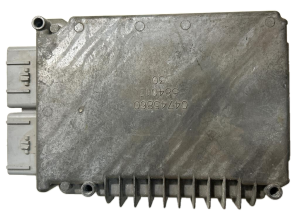
- Access the ECM: The ECM is a silver metal box with large electrical connectors.
- Unplug Connectors: The main connectors are typically held in place with a central bolt (often a 4mm hex) or locking levers. Loosen the bolt or release the levers to unplug the wiring harnesses.
- Unbolt the Module: Remove the mounting bolts (usually three 10mm bolts) that secure the ECM to the vehicle's body.
- Install the New Module: Installation is the reverse of removal. Ensure the mounting points are clean for a good ground. Secure the new ECM, plug in the connectors, and reconnect the battery.
- Final Steps: If the module was not pre-programmed, the vehicle will need to be towed to a dealer or shop for programming. If it was pre-programmed, it should now start.
Cost Comparison
| Part Type | Estimated Cost |
|---|---|
| New OEM | Discontinued; no longer available. |
| New Aftermarket | $250 - $450 |
| Remanufactured (Pre-Programmed) | $70 - $250 |
| Used OEM (from salvage) | $30 - $100 (requires programming) |
| Shop Labor (Replacement & Programming) | $100 - $250 |
| Total Professional Replacement | ~$800 - $1,100 |
Frequently Asked Questions (FAQ)
Will my car start if I just swap the ECM with one from a junkyard?
No. Due to the SKIM anti-theft system, an ECM from another vehicle must be professionally programmed to your car's specific VIN and security key information. Without this step, the engine will not run for more than two seconds.
Do I need the exact same part number?
It is always best to match the part number. However, the most important factor is that the replacement ECM is for a 2001 Sebring or Stratus with the 2.7L V6 engine. Many remanufacturers can program a module with a slightly different revision letter (e.g., 04896040AD vs. 04896040AF) to work with your vehicle's VIN.
Can I program the ECM myself?
No, not without highly specialized and expensive dealer-level scan tools and software subscriptions. For DIYers, the best option is to buy a pre-programmed ECM that is flashed with your VIN before it's shipped to you. A highly advanced alternative involves desoldering and reprogramming the EEPROM chip inside the module, but this is not recommended for beginners.
Is a bad ECM common on the 2001 Sebring and Stratus?
Yes, these modules are known to fail. Chrysler issued a TSB for an internal voltage regulator failing, which causes no-start conditions in the cold. Anecdotal evidence from mechanics and owners also suggests a higher-than-average failure rate for the ECM in these cars.
Helpful Videos

Technical Specifications
OEM Part Numbers: 04896040 04896040AA 04896040AB 04896040AC 04896040AD 04896040AE 04896040AF 04896040AG 04896040AH 04896040AI 04896040AJ 04896140AI 4896040
Location: Engine bay, driver's side, near firewall. Connectors: Two multi-pin connectors, typically with a central bolt release mechanism. Mounting: Three bolt holes.
We Have This Part in Stock

The information in this article is provided for general reference and educational purposes only. Vehicle specifications, procedures, and part compatibility can vary by production date, trim level, and region. Always consult your vehicle's factory service manual and verify part numbers before purchasing or performing repairs. Safety-critical components such as airbags, seat belts, and braking systems should be installed by a qualified professional.
- Chrysler Sebring:
- Dodge Stratus:
- 🎬 Helpful Videos
- 🛍️ Shop This Part
- Symptoms of a Failing ECM
- Known Issues, TSBs, and Recalls
- Diagnosing a Faulty ECM
- Buying a Used 2001 Sebring or Stratus ECM
- Programming: The Most Critical Step
- Who Can Program the ECM?
- Replacement Procedure Overview
- Cost Comparison
- Frequently Asked Questions (FAQ)
- 🎟️ Get 5% Off