

2011-2015 Volt & 2014-2015 ELR Hybrid Control Module (HPCM2): Failures, Programming, and Replacement
This guide decodes the common failures, symptoms, and critical programming requirements for the Hybrid Powertrain Control Module 2 (HPCM2) in the Chevrolet Volt and Cadillac ELR.
- This part is the Hybrid Powertrain Control Module 2 (HPCM2), not the gas Engine Control Module (ECM).
- Replacement modules MUST be programmed to the vehicle's VIN by a dealer or a qualified shop with GM software.
- Many issues can be resolved with a software update instead of hardware replacement. Always check for available TSBs and software updates first.
- A used OEM module is a viable option, but you must have a plan and budget for professional programming before you buy.
Understanding the HPCM2 vs. the ECM

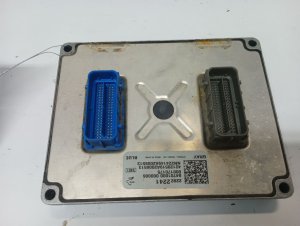
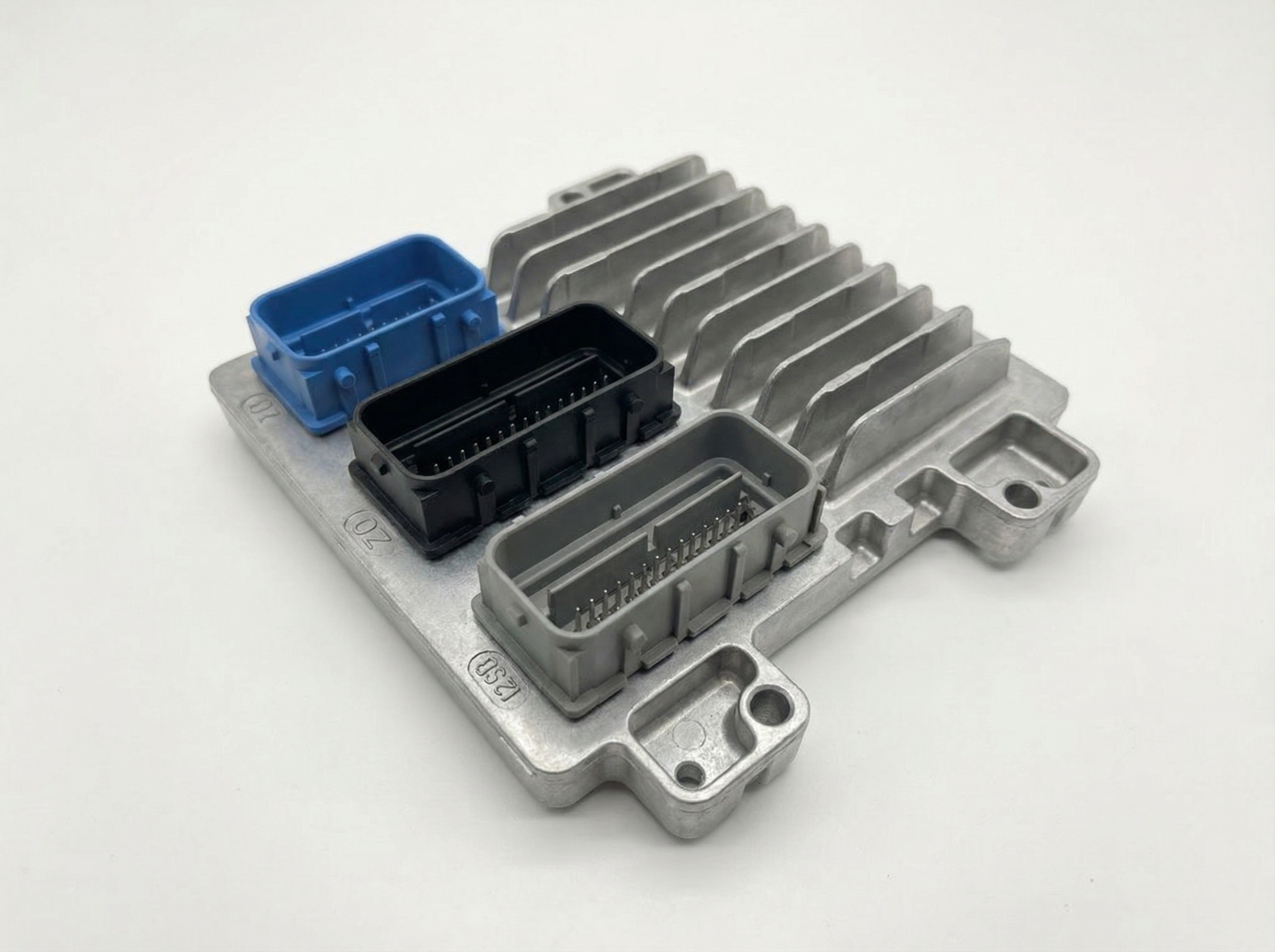
It is vital to understand that the 2011-2015 Chevrolet Volt and 2014-2015 Cadillac ELR have multiple critical computers. The part discussed in this guide, often identified by part numbers like 24266807 and 24275787, is the Hybrid Powertrain Control Module 2 (HPCM2). This is NOT the Engine Control Module (ECM).
- HPCM2 (K114B): This module, also called the Drive Motor Control Module, manages the electric motors and the high-voltage hybrid system. It is the source of many hybrid-specific issues.
- ECM: This is the traditional Engine Control Module that manages the 1.4L gasoline range extender engine. It handles fuel, spark, and emissions for the gas engine only.
When diagnosing issues, it is crucial to scan all modules to determine which one is reporting a fault. This guide focuses exclusively on the HPCM2.
Symptoms of a Failing HPCM2

A failing HPCM2 can cause a range of issues, from warning lights to a vehicle that won't move. The symptoms often relate directly to the high-voltage hybrid system.
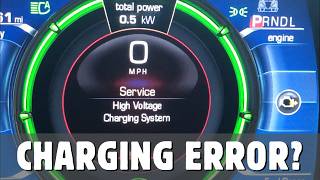
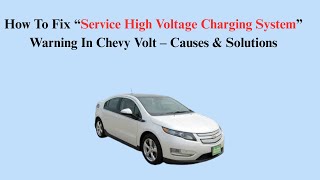
- "Service High Voltage Charging System" Message: 🎬 Watch: How to diagnose and fix this common warning This is the most common symptom of an HPCM2 issue. It can be triggered by a true hardware failure or a software glitch that requires reprogramming.
- Check Engine Light: The malfunction indicator lamp (MIL) will illuminate, often storing specific diagnostic trouble codes (DTCs).
- No-Start Condition: The vehicle may refuse to enter a "Ready" state, preventing it from being driven.
- Reduced Propulsion Power: The vehicle may enter a limp mode with significantly limited power.
- Inability to Charge: A fault in the HPCM2 can prevent the vehicle from charging from an external power source.
- Diagnostic Trouble Codes (DTCs): Common codes pointing to an HPCM2 internal fault include P0606 (Control Module Processor Performance) and P1621 (Control Module Long Term Memory Performance). Other hybrid-related codes may also be present.
Warning: The high-voltage system in the Volt and ELR operates at over 360 volts. Working on these components without proper training and safety equipment can result in serious injury or death. Diagnosis and replacement should be left to qualified technicians.
Known Issues, Recalls, and Technical Service Bulletins (TSBs)
While there are no widespread recalls specifically for HPCM2 failure, GM has issued several software updates and TSBs over the years to address glitches.
- Software Glitches: Many apparent HPCM2 failures are not hardware-related but are caused by software bugs. For example, a recurring bogus code for the battery coolant level sensor can often be resolved by reprogramming the HPCM2, not replacing it. 🎬 See this walkthrough on resetting the high voltage system
- Cell Balancing Updates: Some dealer-performed software updates for the HPCM2 were designed to improve high-voltage battery cell balancing, which can prolong the life of the battery pack.
- Code P0606: TSBs exist for the P0606 code, which can sometimes be set erroneously during service. A specific procedure must be followed to clear it before condemning the module.
Before replacing the HPCM2, it is always recommended to check with a GM dealer or use a professional scan tool to see if any software updates are available for the vehicle's VIN. A simple reprogram can often fix the issue for a fraction of the cost of a new module.
CRITICAL: Programming and Installation

This is the most important part of replacing the HPCM2. You cannot simply swap this module from one car to another.
A replacement HPCM2—whether new, used, or remanufactured—MUST be programmed to your vehicle's specific Vehicle Identification Number (VIN). Without programming, the vehicle will not start or operate correctly. This process loads the correct software and settings for your car's features and synchronizes it with the anti-theft system.
Programming Options:
- GM Dealership: This is the most straightforward option. They have the tools and access to GM's software subscription to perform the programming.
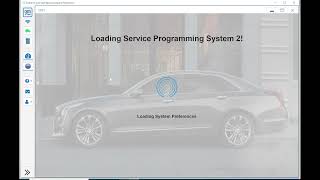
- Independent Repair Shop: A qualified independent shop that services GM vehicles may have the necessary tools. They need a subscription to GM's Service Programming System (SPS) and a J2534-compliant passthrough device.
- Advanced DIY (Not Recommended for Beginners): It is technically possible for a highly skilled individual to perform the programming. This involves purchasing a 1-VIN, 2-year subscription to the ACDelco Technical Delivery System (TDS) for about $45 and using a compatible J2534 passthrough tool (like a VXDIAG VCX Nano). 🎬 Watch: Step-by-step guide to programming GM modules with TDS This process is complex and carries the risk of rendering the module unusable if done incorrectly.
Pro Tip: Before buying a used HPCM2, have a solid plan for who will program it. Get a quote for the programming service first. The cost of programming is a mandatory part of the total repair cost.
Buying a Used Hybrid Powertrain Control Module (HPCM2)
A used OEM module can be a cost-effective solution, provided you follow these steps. Because of the complex software, a reliable used OEM part is often a better choice than a new, unproven aftermarket unit.
- Verify the Part Number: Match the part number on your old module exactly with the one you are purchasing. While several part numbers may be compatible, an exact match is the safest bet.
- Physical Inspection: When you receive the used module, inspect it carefully. Look for any signs of physical damage, bent pins on the connectors, or corrosion. The aluminum casing should be free of cracks.
- Check for Water Intrusion: The HPCM2 is located in the engine bay. Although it's in a protected area, check the connectors for any chalky residue or discoloration that could indicate past moisture damage.
- Buy from a Reputable Source: Purchase from a seller that offers a warranty and a return policy. This gives you protection in case the part is defective.
- Remember Programming: A used module is a paperweight until it is programmed. Factor the cost and hassle of programming into your decision.
Cost Comparison
The cost of replacing the HPCM2 can vary significantly based on the part source and labor rates.
| Item | Estimated Cost | Notes |
|---|---|---|
| New OEM | $1,500 - $4,800+ | Extremely expensive and may be difficult to source. |
| Remanufactured | $400 - $800 | Availability can be limited. Quality varies by rebuilder. |
| Used OEM | $150 - $600 | The most common and cost-effective hardware source. Price depends on condition and seller. |
| Shop Labor (Replacement) | $100 - $200 | Physical replacement is relatively quick for a professional. |
| Shop Labor (Programming) | $150 - $300 | This is a separate, mandatory step. Typically 1-1.5 hours of labor at dealer rates. |
Frequently Asked Questions (FAQ)
Can I drive my Volt/ELR with a bad HPCM2?
It is not recommended. Depending on the failure mode, you could experience a sudden loss of power, stalling, or be left stranded with a vehicle that won't start. This is a safety-critical component that should be addressed immediately.
What is the difference between the HPCM, HPCM2, and BECM?
The Volt/ELR has a network of controllers. The HPCM (Hybrid Powertrain Control Module) and HPCM2 are often used interchangeably or refer to different controllers within the Power Inverter Module. The BECM (Battery Energy Control Module) specifically monitors and manages the state of the high-voltage battery pack itself. A fault in one can often trigger codes in another, requiring professional diagnosis.
Will a used HPCM2 from another Volt work in my car?
Yes, a used module with a matching part number will work, but ONLY after it has been professionally reprogrammed with your car's VIN and software using GM's SPS software. It is not a plug-and-play part.
My mechanic says I need a new ECM, but the symptoms point to the hybrid system. What should I do?
Clarify which module they are referring to. Many technicians not familiar with Volts may use the term "ECM" generically for any controller. Ask for the specific part number and the diagnostic trouble codes (DTCs). If the codes are hybrid-related (like P0606, P1E00, etc.), the issue is likely with the HPCM2 or another hybrid component, not the gas engine's ECM.
Helpful Videos
Technical Specifications
OEM Part Numbers: 12625132 12643810 24266807 24267479 24275044 24275787 24279726
Location: Left-hand (driver's side) rear of the engine compartment, mounted to the Power Inverter Module (PIM) on top of the transmission. GM Identifier: K114B Hybrid Powertrain Control Module 2.
We Have This Part in Stock



The information in this article is provided for general reference and educational purposes only. Vehicle specifications, procedures, and part compatibility can vary by production date, trim level, and region. Always consult your vehicle's factory service manual and verify part numbers before purchasing or performing repairs. Safety-critical components such as airbags, seat belts, and braking systems should be installed by a qualified professional.
- CHEVROLET VOLT:
- CADILLAC ELR:
- 🎬 Helpful Videos
- 🛍️ Shop This Part
- Understanding the HPCM2 vs. the ECM
- Symptoms of a Failing HPCM2
- Known Issues, Recalls, and Technical Service Bulletins (TSBs)
- CRITICAL: Programming and Installation
- Programming Options:
- Buying a Used Hybrid Powertrain Control Module (HPCM2)
- Cost Comparison
- Frequently Asked Questions (FAQ)
- 🎟️ Get 5% Off