

2004 Aveo & Swift+ Engine Control Module: Decoding Part Numbers and Required Programming
This in-depth guide covers the critical compatibility details, programming requirements, and common failure symptoms for the ECM in the 2004 Chevrolet Aveo and Suzuki Swift+.
- This ECM is ONLY for 2004 Aveo/Swift+ models with a 1.6L engine and automatic transmission.
- A replacement ECM (new or used) MUST be programmed to your car's VIN by a dealer or specialist. It is not a plug-and-play part.
- You must match the OEM part number (most commonly 96394274) and the 'FH' ID code on the label.
- Buying a used OEM module is a cost-effective option, but programming is still required unless you buy from a service that pre-programs it.
Critical Compatibility Warning: Read This First
Before purchasing a replacement Engine Control Module (ECM) for a 2004 Chevrolet Aveo or 2004 Suzuki Swift+, you must verify several key details. Failure to do so will result in a part that does not work. These vehicles are essentially the same, sharing a platform and drivetrain, but have very specific ECM requirements.
Warning: This is NOT a plug-and-play part. A replacement ECM, whether new or used, MUST be programmed to your vehicle's specific Vehicle Identification Number (VIN) by a GM dealer or a qualified independent shop with the correct tools. The vehicle will not start or run correctly without this programming.
Verify the following before you buy:
- Vehicle Application: 2004 Chevrolet Aveo or 2004 Suzuki Swift+ (the North American market version, which is a rebadged Aveo).
- Engine: 1.6L 4-cylinder engine.
- Transmission: Automatic Transmission only.
- Part Number: The most common and critical part number is 96394274. You may also see hardware code 96499747 or other OEM numbers like 96394554 and 96499747. For Suzuki, the equivalent part number is 33920-84Z10. Always match the part number on your original ECM to the replacement.
- Identification Code: Look for the two-letter code "FH" printed on the module's label. This is a crucial identifier.
- VIN Cutoff (2004 Aveo Only): The initial data for this part indicates it is only compatible with 2004 Chevrolet Aveo models with a VIN up to ...195375. While this specific VIN split is difficult to verify in public documentation, it points to a mid-year production change. It is safest to assume this is correct and double-check your part number and ID code.
Symptoms of a Failing ECM
ECM failure can cause a wide range of confusing symptoms, often mimicking the failure of other parts. Always perform a thorough diagnosis before condemning the ECM. Common signs include:
- Check Engine Light: The check engine light is on, and the codes stored point to an internal module failure or communication error.
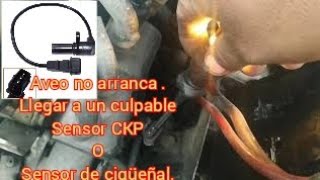
- No-Start Condition: The engine cranks but will not start because the ECM is not commanding spark or fuel injection.
- Engine Stalling or Misfiring: The engine may stall intermittently, misfire, or run very rough.
- Poor Performance and Fuel Economy: A failing ECM can't correctly calculate the air-fuel mixture, leading to a sudden drop in power and gas mileage.
- Communication Issues: A diagnostic scan tool is unable to communicate with the ECM, which is a strong indicator of module failure.
- Erratic Automatic Transmission Shifting: The ECM communicates with the transmission controller; bad data can cause harsh or incorrect shifts.
Common Diagnostic Trouble Codes (DTCs)
While many codes can be caused by a bad ECM, codes specifically pointing to internal module failure are the most definitive. These include:
- P0600 - P0606: These codes relate to internal control module communication errors and processor faults. P0606, for example, directly indicates an internal ECM/PCM failure. 🎬 See this guide on diagnosing P0606 codes
- U-Series Codes: Codes starting with 'U', like U0100 (Lost Communication with ECM/PCM), indicate a network problem where other modules on the vehicle cannot talk to the ECM.
Buying a Used Engine Control Module (ECM)
Given that new OEM modules are often discontinued and expensive, a used OEM ECM is a very common and cost-effective repair solution. However, you must buy smart.
How to Verify Compatibility
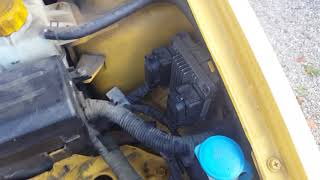
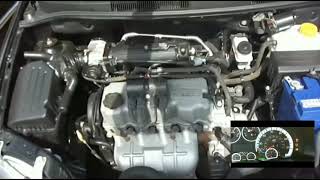
The single most important step is to physically remove your old ECM and get the part number from its label. The ECM is typically located in the engine bay, near the battery or firewall. 🎬 Watch: How to remove the Chevy Aveo ECM Compare the part number (e.g., 96394274) and the ID code (e.g., FH) directly with the used part you plan to purchase. Do not rely on a generic catalog lookup alone.
Physical Inspection Checklist
When you receive the used ECM, inspect it carefully before installation:
- Check for Water Damage: Look for any signs of corrosion or water marks on the case or in the electrical connector pins. Water intrusion is a common killer of electronics.
- Inspect the Connectors: Ensure the pins are straight, clean, and free of any green or white corrosion.
- Look for a Tamper-Evident Seal: Check if the case has been pried open. An opened case might indicate a failed repair attempt.
- Smell the Module: A strong, burnt electronic smell is a clear sign of internal failure.
Programming and Installation
Dealer or Specialist Programming is Mandatory: A used ECM must be cleared of the old vehicle's data and reprogrammed with your car's VIN and specific software configuration. This process is typically done using a GM Tech 2 scan tool or a modern J2534 pass-thru device connected to GM's Technical Information System (TIS). Most DIY mechanics and general repair shops do not have this capability.
Here is the typical process:
- Install the used ECM in the vehicle.
- The vehicle will likely not start at this point. It must be towed or transported to a dealership or a specialist with the correct programming equipment.
- The technician will connect their tool, log in to the GM service network, and download the correct calibration file for your VIN.
- This file is then flashed onto the used ECM, making it the "new" brain for your car. 🎬 Watch: How to program a Chevrolet Aveo ECM
Pro Tip: Some online retailers sell used or remanufactured ECMs pre-programmed to your VIN. You provide them with your VIN at the time of purchase, and they flash the module before shipping it. This can make the part "plug-and-play," avoiding a trip to the dealer. However, you must confirm this service is offered for this specific part number.
Known Issues, Recalls, and Technical Service Bulletins (TSBs)
For the 2004 Chevrolet Aveo, there are no specific recalls for the Engine Control Module itself. However, there are related items:
- Recall 14V261000: This recall addresses the Daytime Running Light (DRL) module, which is located inside the car and could overheat, posing a fire risk. While not the ECM, it is another electronic module failure common to these cars.
- TSB SB-08-06-04-004: This TSB applies to later models but is relevant. It describes a condition in cold weather where the throttle body can freeze, setting various codes and requiring an ECM reprogram along with a new PCV valve kit. This shows that ECM software updates are sometimes used to fix mechanical issues.
No major ECM-related recalls or TSBs were found for the 2004 Suzuki Swift+.
Replacement Cost Comparison
Prices can vary significantly based on the source of the part and local labor rates. Programming costs are separate from installation labor.
| Part/Service | Estimated Cost | Notes |
|---|---|---|
| New OEM | $450 - $600+ | Often discontinued and difficult to find. |
| Remanufactured | $200 - $400 | A common option from specialty electronics rebuilders. May come pre-programmed. |
| Used OEM | $50 - $125 | The most affordable option, but requires careful part number matching. |
| Shop Labor (Installation) | $50 - $100 | The physical swap is quick, usually less than 30 minutes. |
| Shop Labor (Programming) | $100 - $200 | Typically 1-1.5 hours of labor at a dealership or specialist shop. |
Frequently Asked Questions (FAQ)
Do I absolutely have to match the part number?
Yes. For this era of vehicle, using an ECM with a different part number, even if it looks identical, will likely fail. The internal hardware and software are specific. Always match the primary OEM number (96394274) and the ID code (FH).
Can I install the ECM myself and drive to the dealer for programming?
You can install it yourself, but the car will almost certainly not start or run. The immobilizer system will not recognize the new ECM until it is programmed with your vehicle's VIN. You should plan on having the vehicle towed.
What is the difference between an ECM, ECU, and PCM?
The terms are often used interchangeably. ECM (Engine Control Module) and ECU (Engine Control Unit) mean the same thing. PCM (Powertrain Control Module) is a term for a module that controls both the engine and the automatic transmission, which is the case for this part. For all practical purposes, they refer to the same computer.
Why did my original ECM fail?
ECM failure can happen for several reasons. The most common are voltage spikes from a bad alternator or jump-starting, internal corrosion from moisture, excessive heat and vibration over many years, or simply the failure of an internal electronic component.
Helpful Videos

Technical Specifications
OEM Part Numbers: 96394274 96499747 96394554 33920-84Z10 3392084Z10
Fits: 2004 Chevrolet Aveo & 2004 Suzuki Swift+ with 1.6L Engine and Automatic Transmission. Common ID Code: FH.
We Have This Part in Stock


The information in this article is provided for general reference and educational purposes only. Vehicle specifications, procedures, and part compatibility can vary by production date, trim level, and region. Always consult your vehicle's factory service manual and verify part numbers before purchasing or performing repairs. Safety-critical components such as airbags, seat belts, and braking systems should be installed by a qualified professional.
- CHEVROLET AVEO:
- SUZUKI SWIFT:
- 🎬 Helpful Videos
- 🛍️ Shop This Part
- Critical Compatibility Warning: Read This First
- Symptoms of a Failing ECM
- Common Diagnostic Trouble Codes (DTCs)
- Buying a Used Engine Control Module (ECM)
- How to Verify Compatibility
- Physical Inspection Checklist
- Programming and Installation
- Known Issues, Recalls, and Technical Service Bulletins (TSBs)
- Replacement Cost Comparison
- Frequently Asked Questions (FAQ)
- 🎟️ Get 5% Off