

2008 Aveo, Wave & Aveo5 ECM: Solving Stalls, No-Starts, and Programming Headaches
This guide covers the common failure symptoms, part numbers, and critical programming requirements for the Engine Control Module in the 2008 Chevrolet Aveo, Aveo5, and Pontiac Wave.
- This ECM MUST be programmed to your vehicle's VIN. Buying a pre-programmed unit online is the easiest path for DIY replacement.
- A standard used ECM from a salvage yard will NOT start the car until it is professionally reprogrammed by a dealer or specialist.
- Match the part number AND the transmission type (Manual vs. Automatic) when buying a replacement.
- A U0100 'Lost Communication' code can be caused by a cheap, faulty fan resistor, not always a bad ECM. Check the resistor first.
Symptoms of a Failing ECM
A faulty Engine Control Module in a 2008 Chevrolet Aveo, Aveo5, or Pontiac Wave can cause a variety of confusing symptoms. While a Check Engine Light is the most common sign, other issues can point directly to the ECM.
- Check Engine Light: An illuminated Check Engine Light is a primary indicator. Codes specifically related to internal ECM failure include P0601 (Memory Check Sum Error), P0604 (RAM Error), and P0605 (ROM Error).
- Engine Stalling or No-Start: The engine may crank but refuse to start, or it may stall intermittently while driving. This can be caused by the ECM failing to send the correct signals to the fuel injectors or ignition coils.
- Poor Engine Performance: You might experience a noticeable loss of power, rough idling, engine stuttering, or misfires. This happens when the ECM can't properly manage the air-fuel mixture or ignition timing.
- Reduced Fuel Economy: A sudden and significant drop in gas mileage can be a sign that the ECM is not running the engine efficiently.
- Communication Errors (U0100): A U0100 code, meaning "Lost Communication with ECM," is a serious indicator. However, on these specific vehicles, this code can sometimes be caused by a failed cooling fan resistor located near the ECM, which can mimic a computer failure. Always check this cheaper part before condemning the ECM.
- Persistent Sensor Codes: If you repeatedly get a code for a specific sensor, such as P2135 (Accelerator Pedal Position Sensor), and replacing the sensor doesn't fix the issue, the ECM itself may be the root cause.
- Erratic Shifting (Automatic Transmission): In vehicles with an automatic transmission, harsh or delayed shifting can sometimes be traced back to a faulty ECM that is sending incorrect data to the transmission controller.
Known Issues, TSBs, and Recalls
While there are no recalls specifically for the Engine Control Module on these vehicles, it's important to be aware of a related issue to avoid confusion.
Recall 14V261000: Daytime Running Light (DRL) Module Fire Risk
Important: There is a well-known recall (GM #14236) for the 2004-2008 Chevrolet Aveo concerning the Daytime Running Light (DRL) module. This separate module, located in the instrument panel, can overheat and melt, posing a fire hazard. This is NOT the Engine Control Module (ECM). If you are experiencing issues with your lights or smell burning plastic from the dash, have this recall checked by a dealer.
Common Misdiagnosis: U0100 and the Fan Resistor
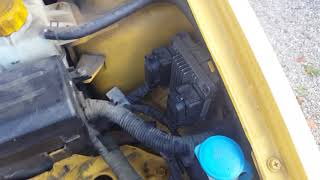
As mentioned in the symptoms list, a common issue on the Aveo and Wave is the failure of the engine cooling fan resistor. This is a white porcelain block located in the engine bay near the ECM. When it cracks or fails, it can cause electrical feedback that triggers a U0100 (Lost Communication with ECM) code and causes symptoms like a rough idle and harsh gear engagement. This part is inexpensive and should be inspected before you decide to replace the entire ECM.
🎬 Watch this video to diagnose and fix the U0100 code.Buying a Used Engine Control Module
Purchasing a used ECM can save you hundreds of dollars, but it requires careful attention to detail. This is not a simple plug-and-play part unless you buy it from a specialized vendor.
Compatibility: Part Numbers and Transmissions
First, you must match the part number. The most reliable way is to find the number printed on your original ECM. Known part numbers for the 2008 Aveo, Aveo5, and Wave include:
- Hardware Code: 25181751
- Service Numbers: 96943036, 96889681, 96943037, 96889682
Crucially, you must also match the ECM to your vehicle's transmission type. While the hardware may be identical, an ECM programmed for a manual transmission will not work correctly in a vehicle with an automatic transmission, and vice-versa. Always confirm the donor vehicle's specifications.
The Critical Difference: Raw Used vs. Pre-Programmed
- Raw Used ECM (from a salvage yard): An ECM pulled directly from another vehicle will NOT work correctly when installed in yours. It is linked to the original vehicle's anti-theft system (immobilizer) and programmed for its specific options. Installing it will likely result in a no-start condition. This type of module requires a visit to a dealership or a specialized shop with a GM Tech 2 scan tool (or equivalent) to be reprogrammed to your car.
- Pre-Programmed Used ECM (from a specialty retailer): Many online retailers sell used OEM ECMs that are pre-programmed to your vehicle's Vehicle Identification Number (VIN) before they are shipped. This is the recommended option for most DIY mechanics. When you provide your VIN, the seller flashes the module with the correct software and security information for your exact car. This makes the installation much simpler.
Pro Tip: When buying a used ECM online, always choose a vendor that offers VIN programming. This service makes the part "plug-and-play" and allows the vehicle to start and run without a trip to the dealer. You will typically need to perform a simple key relearn procedure after installation.
Programming and Immobilizer Requirements
The ECM is a key component of the vehicle's anti-theft system, also known as the immobilizer. The system works by ensuring the key, immobilizer module, and ECM all recognize each other. If you install an unprogrammed ECM, this security handshake fails, and the engine is disabled.
If You Buy a Pre-Programmed ECM:
Most pre-programmed modules are designed to learn your existing keys with a simple procedure, often called a "key cycling procedure." This usually involves turning the key to the 'ON' position for a set amount of time to allow the new ECM to recognize your key's transponder. The seller will provide specific instructions.
🎬 See how to reprogram and reset your Aveo's computer.If You Buy a Raw (Unprogrammed) ECM:
A raw ECM must be professionally programmed. This involves several steps that can only be done with advanced diagnostic tools:
- Service Programming System (SPS): Flashing the module with the correct GM software for your vehicle's VIN.
- Theft Deterrent Relearn: Programming the ECM to accept your vehicle's keys and immobilizer password. An ECM from another car will have the old car's password stored.
- Crankshaft Position (CKP) System Variation Learn: A procedure to calibrate the ECM to the minor variations of your specific engine's crankshaft position sensor. Failing to do this can result in misfires or a rough idle.
A general locksmith or small repair shop may not have the equipment to perform these GM-specific procedures. A dealership or a GM-specialty shop is often required.
Replacement Procedure (DIY)
Physically replacing the ECM is straightforward and can be done with basic hand tools. The difficulty rating is low, assuming you have a pre-programmed module.
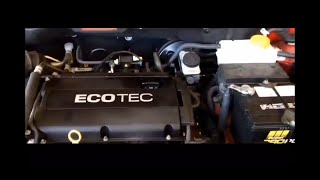
- Locate the ECM: Open the hood. The ECM is a silver rectangular metal box mounted in the engine bay, typically to the side of the battery. 🎬 Watch this quick video on how to remove the ECM.
- Disconnect the Battery: Always disconnect the negative battery terminal first using a 10mm wrench. Wait a few minutes for any residual power to discharge.
- Disconnect Harnesses: The ECM has two large electrical connectors. Push the release tab on each connector and carefully pull the lever or slide to unplug them. Do not force them.
- Remove Mounting Bolts: The ECM is held in place by three 10mm bolts. Remove these bolts.
- Install the New ECM: Seat the new module in the bracket and reinstall the mounting bolts. Reconnect the two large electrical harnesses, ensuring they click securely into place.
- Reconnect the Battery: Reconnect the negative battery terminal.
- Perform Relearn/Initialization: Follow the instructions provided by your ECM supplier. This typically involves turning the key to the 'RUN' position (without starting the engine) for 30 seconds to a few minutes to initialize the module before starting the car.
Cost of Replacement
The cost can vary dramatically based on the path you choose. Diagnostic costs at a shop typically run from $100-$200.
| Part Type | Estimated Cost | Notes |
|---|---|---|
| New OEM | $400 - $600+ | Purchased from a GM dealer. Requires dealer programming. |
| New Aftermarket | $250 - $400 | Quality can vary. May still require programming. |
| Remanufactured (Pre-Programmed) | $150 - $250 | A cost-effective and reliable option for DIY. |
| Used OEM (Salvage Yard) | $50 - $100 | Cheapest part cost, but requires expensive professional programming. |
| Shop Labor (Installation & Programming) | $150 - $400 | Required if you buy a raw/unprogrammed module. Labor rates vary. |
Frequently Asked Questions (FAQ)
Do I absolutely have to program a replacement ECM?
Yes. An ECM must be programmed to your specific vehicle. You can either buy a pre-programmed unit that is ready for installation, or you can buy a raw used unit and pay a professional to program it in the car. You cannot skip the programming step.
Will the car start after I install a used ECM from a junkyard?
Almost certainly not. The used ECM is tied to the original car's anti-theft system. When you install it in your car, the security systems won't match, and the immobilizer will prevent the engine from starting.
Can a locksmith program this ECM?
It depends on the locksmith's equipment. While some advanced automotive locksmiths can handle key and immobilizer programming, many cannot perform the full GM-specific SPS flashing or CKP relearn procedures. It is safer to assume you will need a dealership or a GM specialty shop.
Is the engine computer the cause of the DRL (Daytime Running Light) recall?
No. The DRL recall (GM #14236) is for a separate, smaller module located inside the dashboard that controls the daytime running lights. It is not related to the Engine Control Module.
My car has a manual transmission. Does it matter which ECM I buy?
Yes, it is critical. The ECM programming is different for manual and automatic transmissions. You must ensure the replacement module you purchase is intended for a vehicle with a manual transmission.
Helpful Videos
Technical Specifications
OEM Part Numbers: 25181751 96889681 96943036 96943037 25181757 96889682
Fits 1.6L engine. Specific modules required for Manual Transmission (MT) or Automatic Transmission (AT). Located in the engine bay, next to the battery. Features two large multi-pin connectors.
We Have This Part in Stock


The information in this article is provided for general reference and educational purposes only. Vehicle specifications, procedures, and part compatibility can vary by production date, trim level, and region. Always consult your vehicle's factory service manual and verify part numbers before purchasing or performing repairs. Safety-critical components such as airbags, seat belts, and braking systems should be installed by a qualified professional.
- Chevrolet Aveo:
- Pontiac Wave:
- Chevrolet Aveo5:
- 🎬 Helpful Videos
- 🛍️ Shop This Part
- Symptoms of a Failing ECM
- Known Issues, TSBs, and Recalls
- Recall 14V261000: Daytime Running Light (DRL) Module Fire Risk
- Common Misdiagnosis: U0100 and the Fan Resistor
- Buying a Used Engine Control Module
- Compatibility: Part Numbers and Transmissions
- The Critical Difference: Raw Used vs. Pre-Programmed
- Programming and Immobilizer Requirements
- If You Buy a Pre-Programmed ECM:
- If You Buy a Raw (Unprogrammed) ECM:
- Replacement Procedure (DIY)
- Cost of Replacement
- Frequently Asked Questions (FAQ)
- 🎟️ Get 5% Off