

2007 Cadillac CTS, GMC Acadia, Chevy Impala & More: Engine Control Module (ECM) Guide
This in-depth guide covers common failures, programming requirements, and replacement costs for the ECM in a wide range of 2007 General Motors vehicles.
- This ECM must be programmed to your vehicle's VIN to function; it is not a plug-and-play part.
- A used ECM can be a cost-effective solution, but only if purchased from a source that can pre-program it to your VIN.
- Symptoms of failure are broad, including a no-start condition, poor engine performance, and an illuminated Check Engine Light with codes like P0601 or P0606.
- After installation, an anti-theft relearn and a crankshaft position sensor relearn procedure are often required.
Symptoms of a Failing ECM
A failing Engine Control Module can cause a wide range of confusing and intermittent issues. Because the ECM controls so many different systems, symptoms can vary, but here are the most common signs that your module may be failing.
🎬 Watch: 7 common symptoms of a failing engine control module.- Check Engine Light: A persistent Check Engine Light is one of the most common symptoms. Specific trouble codes like P0601 (Internal Control Module Memory Check Sum Error) or P0606 (ECM/PCM Processor Fault) point directly to an internal ECM failure.
- Engine Performance Problems: You may experience issues like engine stalling, misfiring, hesitation during acceleration, rough idling, or a sudden loss of power. These occur because the ECM can no longer accurately control fuel and spark.
- Car Won't Start: A completely dead ECM can prevent the engine from starting at all. The engine may crank but will not fire up because there is no signal to the fuel injectors or ignition coils.
- Poor Fuel Economy: If the ECM is not managing the engine's fuel-to-air ratio correctly, you may notice a significant and unexplained drop in fuel mileage.
- Erratic Transmission Shifting: In many vehicles, the ECM also plays a role in controlling the automatic transmission. A faulty module can lead to harsh, delayed, or incorrect gear shifts.
- Communication Failures: A diagnostic scan tool may be unable to communicate with the vehicle. This often indicates a failure in the ECM's CAN bus transceiver, which can bring down the entire vehicle's communication network and trigger a flood of "Lost Communication" codes (e.g., U0100).
Known Issues, TSBs, and Recalls
While there are no direct recalls for the ECM itself on these 2007 models, some vehicles were subject to a Special Coverage program related to premature timing chain wear on the 3.6L V6 engine. This is relevant because the fix involved reprogramming the ECM to adjust the oil life monitor.
- Special Coverage 11340B: This program affected the 2007 GMC Acadia, 2007 Cadillac CTS, and 2007 Cadillac SRX (among other model years). It addressed premature timing chain wear, and part of the service procedure was to reprogram the ECM with updated software. If a vehicle exhibits timing chain issues, it's crucial to ensure the ECM has this updated calibration.
Programming and Installation Requirements
Warning: This Engine Control Module absolutely MUST be programmed to your vehicle's specific Vehicle Identification Number (VIN). A used ECM from another vehicle will not work without being reprogrammed. It is linked to the anti-theft system, and installing an unprogrammed module will likely result in a no-start condition.
Programming ensures that the ECM can communicate with the other modules in your vehicle, such as the Body Control Module (BCM) and the ignition system. It also loads the correct software for your vehicle's specific engine, transmission, and emissions equipment.
Who Can Program This ECM?
- GM Dealership: A dealership can always program a new or used ECM using their proprietary tools like the Tech 2 scanner and a subscription to GM's TIS2Web or SPS2 software service. 🎬 See how a Cadillac ECM is replaced and programmed online.
- Qualified Independent Shop: Many independent auto repair shops that specialize in GM vehicles have the necessary tools, such as a Tech 2 or a J2534 Pass-Thru device, and the software subscription to perform programming.
- Online Programming Services: Several companies offer mail-in or pre-programming services. You can purchase a used ECM and send it to them with your VIN, and they will flash it for you. Some sellers of used ECMs provide this service at the time of purchase.
Post-Installation Procedures
Even after the ECM is programmed with your VIN, two additional steps may be required:
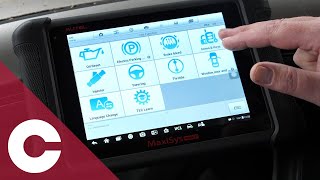
- Anti-Theft Relearn: You will likely need to perform a security relearn procedure to sync the newly programmed ECM with your vehicle's keys and anti-theft system. This can often be done without special tools and involves a sequence of turning the key on and off. 🎬 Watch this guide on performing a GM anti-theft relearn procedure.
- Crankshaft Position Variation Relearn: A Crankshaft Position (CKP) sensor relearn may be necessary. If not performed, the check engine light may illuminate with a code P0315. This procedure requires a scan tool capable of initiating the relearn process.
Buying a Used Engine Control Module (ECM)
Purchasing a used OEM ECM is a cost-effective way to get your vehicle back on the road, but it's important to buy smart. A used module from a salvage yard without programming is often a waste of money.
Key Considerations:
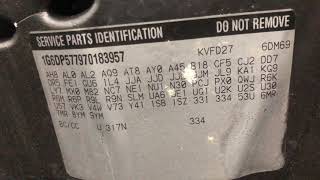
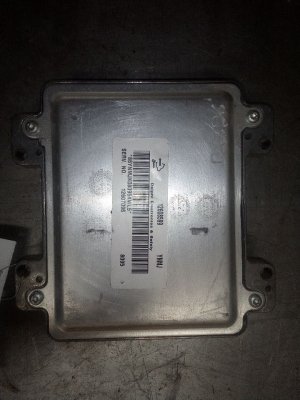
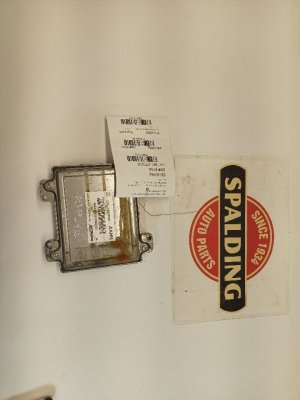
- Verify the Part Number: Ensure the service number on the used module matches your original part number. The primary OEM part number is 12605843, which interchanges with several other numbers including 19210736.
- Buy from a Reputable Source: Purchase from a seller who offers a warranty and, ideally, a programming service. This ensures you receive a tested, working part that is ready for installation.
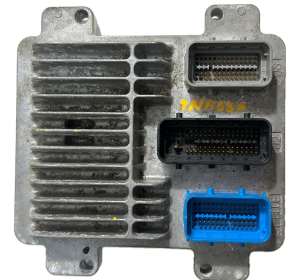
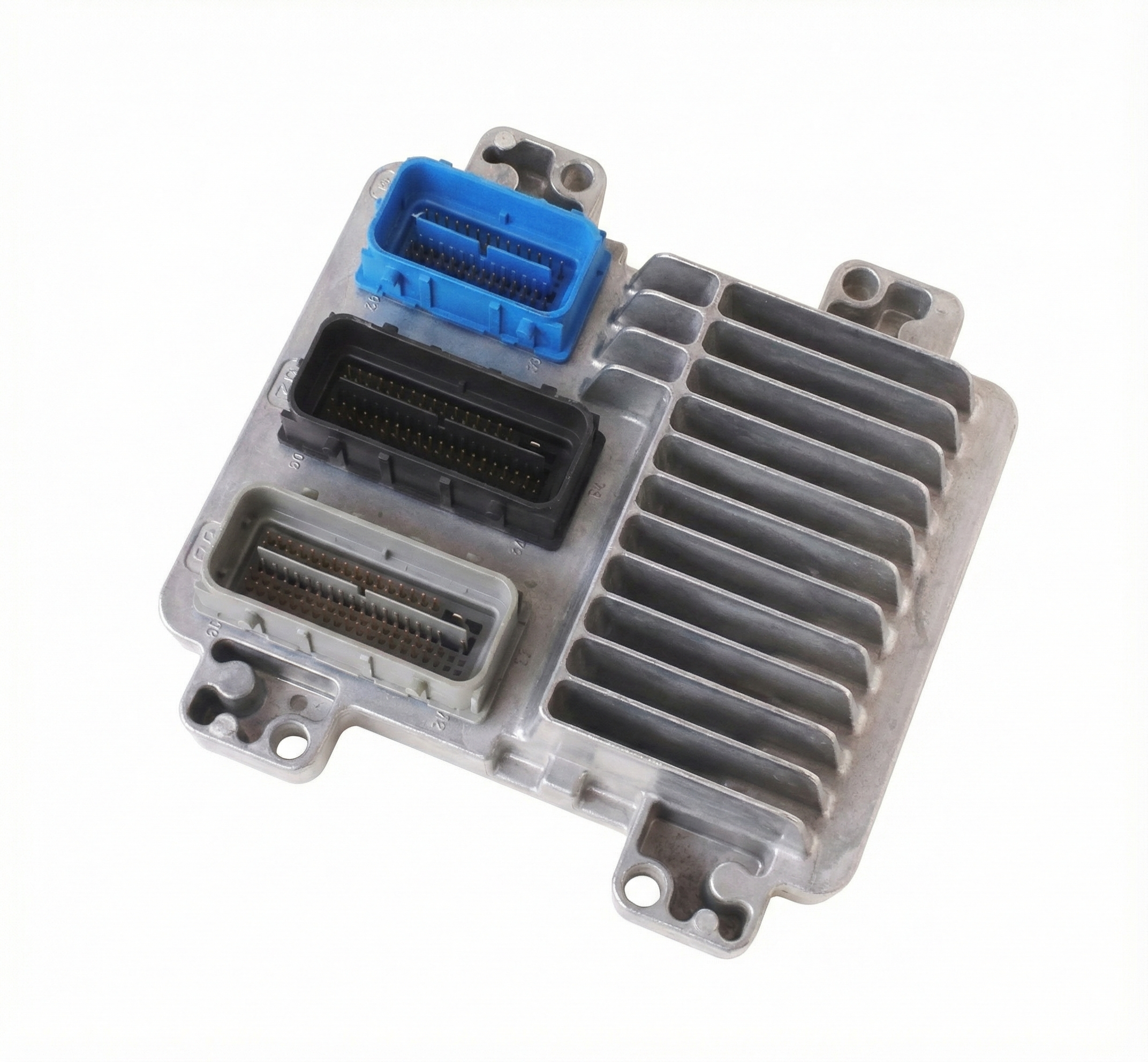
- Inspect for Physical Damage: When you receive the part, check the casing for any signs of damage, and look closely at the connector pins to ensure they are straight and free of corrosion.
- Factor in Programming Costs: If you buy a module that isn't pre-programmed, remember to include the cost of having a shop or service program it for you.
Pro Tip: Many online sellers now offer "Plug & Play" units. They will program the used ECM with your VIN before shipping it to you, which can save you a trip to the dealership and significant labor costs.
Vehicle-Specific Information
While this ECM fits a wide range of vehicles, the physical location and replacement procedure can vary.
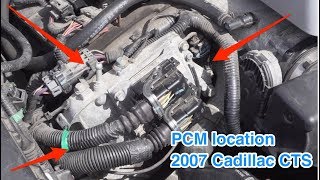
- GMC Acadia (2007): The ECM is located behind the engine cooling fan shroud.
- Chevrolet Impala / Monte Carlo (2007): The ECM is often located within or attached to the lower part of the air cleaner box.
- Pontiac G6 / Saturn Aura (2007): The ECM is typically found on the driver's side of the engine compartment, near the firewall or strut tower.
Always confirm the location on your specific vehicle before beginning work. The replacement process generally involves disconnecting the battery, unplugging the electrical connectors, and unbolting the module from its bracket.
Cost Comparison
| Part Type | Estimated Cost |
|---|---|
| New OEM | $320 - $600+ |
| New Aftermarket | Not commonly available |
| Used OEM (Pre-Programmed) | $90 - $250 |
| Remanufactured (Pre-Programmed) | $150 - $300 |
| Shop Labor (Installation & Programming) | $170 - $250 |
Frequently Asked Questions (FAQ)
Can I install a used ECM from a junkyard myself?
You can physically install it, but the vehicle will not start or run correctly until it is programmed with your car's VIN. It is not a plug-and-play part unless you buy one that has been pre-programmed for your specific vehicle.
Will a bad ECM prevent my car from starting?
Yes, a common symptom of a completely failed ECM is a crank-no-start condition. The starter will turn the engine over, but the ECM does not send the necessary signals to the fuel injectors and ignition coils to allow the engine to run.
Do I need a dealership to program the new ECM?
No, a dealership is not your only option. Many independent shops with the right equipment (like a GM Tech 2 or J2534 device) can program it. Additionally, you can purchase a pre-programmed module from many online retailers, which is often the easiest and most cost-effective solution.
What causes an ECM to fail?
ECM failure is relatively rare but can be caused by several factors. Common causes include voltage overloads from improper jump-starting, short circuits in other components like solenoids or wiring, internal corrosion from moisture intrusion, and damage from excessive heat and vibration over many years.
Helpful Videos

Technical Specifications
OEM Part Numbers: 12605843 19210736 12590032 12602044 12603530 12607096 12630457 19210737
This is an E38/E67 family ECM, depending on the specific engine application.
We Have This Part in Stock



The information in this article is provided for general reference and educational purposes only. Vehicle specifications, procedures, and part compatibility can vary by production date, trim level, and region. Always consult your vehicle's factory service manual and verify part numbers before purchasing or performing repairs. Safety-critical components such as airbags, seat belts, and braking systems should be installed by a qualified professional.
- Cadillac CTS:
- GMC Acadia:
- Chevrolet Impala:
- Cadillac SRX:
- Pontiac Grand Prix:
- Chevrolet Monte Carlo:
- Pontiac Montana:
- Pontiac G6:
- Saturn Vue:
- Saturn Aura:
- Buick Lucerne:
- Chevrolet Cobalt:
- Chevrolet HHR:
- Pontiac Solstice:
- Saturn Ion:
- Pontiac G5:
- Saturn Sky:
- Cadillac STS:
- Cadillac XLR:
- Cadillac DTS:
- Saturn Outlook:
- Buick Terraza:
- Chevrolet Uplander:
- Saturn Relay:
- 🎬 Helpful Videos
- 🛍️ Shop This Part
- Symptoms of a Failing ECM
- Known Issues, TSBs, and Recalls
- Programming and Installation Requirements
- Who Can Program This ECM?
- Post-Installation Procedures
- Buying a Used Engine Control Module (ECM)
- Key Considerations:
- Vehicle-Specific Information
- Cost Comparison
- Frequently Asked Questions (FAQ)
- 🎟️ Get 5% Off