

2016-2018 GM Truck & Cadillac ECM Guide: Stalling, No-Start, and Programming
Diagnose and understand Engine Control Module (ECM) failures in the 2016-2018 Silverado, Sierra, and various 2017 Cadillac models, including the critical, non-negotiable programming requirements.
- This ECM MUST be programmed to your vehicle's VIN after installation by a dealer or qualified shop; it is not plug-and-play.
- A used OEM module is a viable, cost-effective option, but the cost of professional programming must be factored in.
- Symptoms of failure include a check engine light (especially code P0606), stalling, no-start, and poor performance.
- Before replacing the ECM, always check the battery, alternator, and all power/ground connections, as these can cause similar symptoms.
Symptoms of a Failing ECM

A faulty Engine Control Module can be difficult to diagnose because its symptoms often overlap with other component failures, like bad sensors or wiring issues. However, if your vehicle is experiencing several of the following problems, the ECM may be the culprit.
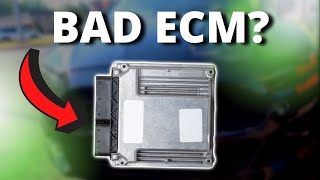
- Check Engine Light: The most common symptom is an illuminated check engine light. Sometimes, a faulty ECM can trigger the light even when no other problem exists. A common diagnostic trouble code associated with a critical internal ECM failure is P0606 (Control Module Processor Fault). 🎬 Watch: How to diagnose a P0606 ECM processor error
- Engine Performance Issues: You might notice a sudden decrease in fuel economy, poor acceleration, engine stuttering, or misfires. This can happen if the ECM is providing incorrect calculations for the air-fuel mixture or ignition timing.
- Stalling or No-Start Condition: The engine might stall unexpectedly, idle erratically, or fail to start at all. A complete ECM failure can prevent power from being sent to the fuel pump or ignition coils. In many cases of a no-start condition, it's wise to first check the battery, alternator, and starter, as these are more common failure points.
- Transmission Problems: Since the ECM often works with the transmission control module, a failing ECM can lead to harsh, delayed, or erratic shifting.
- Poor Grounding Mimicking ECM Failure: On many of these GM trucks and SUVs, a poor or corroded ground connection can cause a 'click-no-start' issue that is often misdiagnosed as a bad starter or ECM. Before replacing the module, it is critical to inspect and clean the main battery and chassis ground connections.
CRITICAL: ECM Programming and Anti-Theft Requirements

Warning: This Engine Control Module is NOT plug-and-play. It absolutely must be programmed to your vehicle's specific Vehicle Identification Number (VIN) after installation. Failure to program the module will result in a no-start condition, as the vehicle's anti-theft system will not recognize the new ECM.
All of the vehicles covered in this guide use a GM system that links the ECM to other modules in the car, like the Body Control Module (BCM) and the ignition key. When you install a new or used ECM, it has the wrong VIN information (or none at all). The other modules detect this mismatch and trigger the immobilizer, preventing the engine from starting.
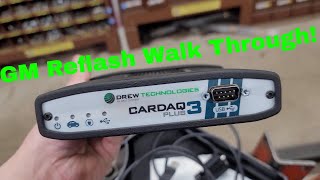
Programming must be done using GM's official software, the Service Programming System (SPS), which is now part of the Techline Connect suite. This process requires a subscription to GM's service information and a special communication tool (like a GM MDI or a compatible J2534 device) to connect a laptop to the vehicle's diagnostic port. The software then downloads the correct calibration file for your specific VIN from GM's servers and flashes it onto the ECM.
🎬 See a step-by-step walkthrough of the GM module reprogramming processWho Can Program This ECM?
- GM Dealerships: Dealers have direct access to the necessary tools and software and perform this service regularly.
- Qualified Independent Shops: Many independent repair shops that specialize in GM vehicles or modern electronics invest in the necessary J2534 tools and software subscriptions to perform programming.
- Mobile Mechanics & Automotive Locksmiths: Some specialized mobile technicians and locksmiths have the equipment to program modules on-site. However, you must verify they have the capability for modern GM vehicles specifically.
It is generally not possible for a DIY mechanic to perform this programming without investing in expensive tools and subscriptions.
Buying a Used Engine Control Module

A used OEM ECM is a cost-effective and reliable alternative to a brand-new unit, provided you follow a few key steps. Since the module must be programmed anyway, buying a used unit from a compatible vehicle is a common repair strategy.
- Verify the Part Number: Match the part number on your original ECM to the one you are purchasing. While there are several interchangeable numbers for this E92-family ECM, matching directly is the safest approach. Common part numbers include 12674052, 12674472, 12678939, and 12686382.
- Physical Inspection: Before purchasing, inspect the used module for any signs of physical damage. Look for bent pins on the connectors, cracks in the casing, or evidence of water intrusion or corrosion. Do not buy a module that looks like it has been opened or tampered with.
- Source Vehicle Is Not Critical: Because the used module will be completely reprogrammed with your vehicle's VIN and software, it doesn't matter if it came from a Silverado and is going into a Corvette. As long as the hardware part number is compatible, it can be programmed to work.
- Factor in Programming Costs: Remember that the price of the used module is only part of the total cost. You must add the cost of having it professionally programmed to your vehicle.
Vehicle-Specific Information & Replacement

While these vehicles share an ECM, its physical location can differ, affecting replacement difficulty.
- Chevrolet Silverado 1500 & GMC Sierra 1500 (2016-2018): The ECM is typically located in the engine bay on the driver's side, mounted to the front of the engine or on the inner fender. Access is relatively easy.
- Chevrolet Tahoe, GMC Yukon, Cadillac Escalade/ESV (2017): The ECM is also in the engine compartment, usually on the driver's side, making for a straightforward swap.
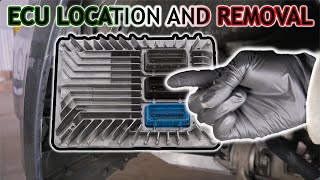
- Cadillac ATS, CTS, XTS (2017): The ECM is generally found in the engine compartment, often on the driver's side near the firewall or shock tower. 🎬 Watch: How to locate and remove the ECM on a Cadillac
- Chevrolet Corvette (2017): The ECM is located inside the vehicle on the passenger side, under the cowl/dashboard area, making it more difficult to access than on the trucks and SUVs.
There are no major recalls or widespread Technical Service Bulletins (TSBs) specifically for ECM hardware failure on these exact models and years. However, various software update TSBs exist for related models, highlighting the importance of ensuring the module is programmed with the latest software during installation.
Pro Tip: Before condemning the ECM, always perform a full diagnostic. Check the battery, charging system, and all power and ground wires connected to the ECM. A weak battery or poor ground can cause symptoms that mimic a failed ECM.
Cost of Replacement: 2016-2018 GM ECM
| Item | Estimated Cost |
|---|---|
| New OEM (Dealer) | $450 - $700+ |
| Remanufactured | $200 - $400 |
| Used OEM | $75 - $250 |
| Shop Labor (Physical Swap) | $100 - $200 |
| Shop Labor (Programming) | $150 - $350 |
Frequently Asked Questions (FAQ)
Can I install a used ECM from a junkyard?
Yes, you can install a used ECM, and it is a common repair method. However, it is not plug-and-play. The used ECM must be reprogrammed to your vehicle's VIN by a dealer or a qualified shop with GM programming capabilities. Without this step, the vehicle will not start due to the anti-theft system.
What is the difference between an ECM, PCM, and ECU?
The terms are often used interchangeably. ECM stands for Engine Control Module. ECU stands for Engine Control Unit. PCM stands for Powertrain Control Module. For these vehicles, the module controls both the engine and transmission, so PCM is the most accurate term, but ECM is more commonly used.
Will a bad ECM cause a 'No Start' condition?
Yes, a completely failed ECM can definitely cause a no-start condition. It may fail to power the fuel pump, injectors, or ignition system. However, before blaming the ECM, always check the battery, starter, alternator, and ground connections first, as these are more common points of failure for a no-start issue.
Do I need to do a key relearn procedure after replacing the ECM?
Yes. After the new ECM is programmed to the vehicle's VIN, an immobilizer relearn (or key relearn) procedure is often required to sync your existing keys to the newly programmed module. Some programming services can pre-program the module to make this step easier, but you should be prepared for it.
Helpful Videos
Technical Specifications
OEM Part Numbers: 12674052 12674472 12678939 12686382 12704476
This module is commonly referred to as the E92 ECM.
We Have This Part in Stock



The information in this article is provided for general reference and educational purposes only. Vehicle specifications, procedures, and part compatibility can vary by production date, trim level, and region. Always consult your vehicle's factory service manual and verify part numbers before purchasing or performing repairs. Safety-critical components such as airbags, seat belts, and braking systems should be installed by a qualified professional.
- Cadillac CTS:
- Cadillac ATS:
- Cadillac XTS:
- Chevrolet Silverado 1500:
- GMC Sierra 1500:
- Cadillac Escalade:
- Chevrolet Tahoe:
- GMC Yukon:
- Cadillac Escalade ESV:
- Chevrolet Corvette:
- Chevrolet Suburban:
- GMC Yukon XL:
- 🎬 Helpful Videos
- 🛍️ Shop This Part
- Symptoms of a Failing ECM
- CRITICAL: ECM Programming and Anti-Theft Requirements
- Who Can Program This ECM?
- Buying a Used Engine Control Module
- Vehicle-Specific Information & Replacement
- Cost of Replacement: 2016-2018 GM ECM
- Frequently Asked Questions (FAQ)
- 🎟️ Get 5% Off