

1999-2000 BMW 540i DME (ECM): A Guide to Failure, Replacement, and EWS Programming
This guide covers the critical details of diagnosing, replacing, and programming the Bosch ME7.2 DME for the 1999-2000 BMW 540i, focusing on the mandatory immobilizer synchronization.
- A replacement DME for a 1999-2000 540i MUST be programmed to the car's EWS immobilizer system or the car will not start.
- The easiest solution for a used DME is a mail-in cloning service, where you send your original DME, EWS module, and key to have the data transferred.
- Water damage is the #1 killer of these DMEs. Always check the electronics box under the passenger cabin air filter for corrosion or moisture.
- Symptoms of failure include no-start conditions, stalling, an "ENGINE FAILSAFE PROG" message, and no communication with scan tools.
The Critical First Step: Understanding DME Programming

Warning: You cannot simply swap a used Engine Control Module (DME) into a 1999-2000 BMW 540i. The vehicle will not start. The DME is electronically tied to the car's immobilizer system (EWS). A replacement DME, whether new or used, MUST be programmed and synchronized to your specific vehicle's EWS module and key. This process, called EWS alignment, requires specialized software and knowledge.
Symptoms of a Failing DME

DME failure can manifest in several ways, ranging from subtle performance issues to a car that won't start at all. Because the DME controls so many functions, symptoms can sometimes be mistaken for other problems like bad spark plugs or fuel pump issues.
- Crank, No Start: The engine turns over but will not fire up. This is one of the most common symptoms, especially if the failure is related to the immobilizer or fuel/spark control.
- Engine Stalling: The engine may stall unexpectedly while driving, sometimes after running normally for a period.
- "ENGINE FAILSAFE PROG" Message: This warning on the instrument cluster often indicates a serious fault detected by the DME, particularly with the electronic throttle system.
- No Communication with Scan Tools: If a diagnostic scanner cannot establish a connection with the DME, it's a strong sign the module itself is dead or not receiving power.
- Misfires and Poor Performance: A failing DME can send incorrect signals, leading to engine misfires, rough idling, reduced power, and poor fuel economy.
- Erratic Gauge Behavior: In some cases of total DME failure, turning the key to the 'on' position may cause the engine temperature gauge to immediately peg into the red zone.
Common OBD-II and BMW Fault Codes
A full diagnostic scan is essential. While generic codes may be present, BMW-specific codes are more helpful. Look for the following:
- DME Internal Faults: P0605 or BMW FC 170 (Control unit self-test, internal fault) point directly to a problem inside the DME.
- Immobilizer/EWS Faults: BMW FC 66 (EWS communication error) or FC 208 (EWS, engine speed check not ok) indicate a problem with the anti-theft handshake.
- Injector Driver Faults: Codes like 30BA, 30BB, 12474, or 12475 often mean the circuits that fire the fuel injectors have failed inside the DME.
- Throttle Body Faults: Codes like 171 (Plausibility motor driven throttle valve) can be caused by a DME that is failing to properly control the throttle.
Known Issues: Water Damage in the E-Box


The most common cause of premature DME failure in the E39 5-Series is water intrusion. The DME is located in a black plastic electronics box (E-box) in the engine bay, underneath the passenger side cabin air filter housing. The drains for the cowling area above this box can become clogged with leaves and debris. When this happens, rainwater overflows and floods the E-box, submerging the DME and its connectors.
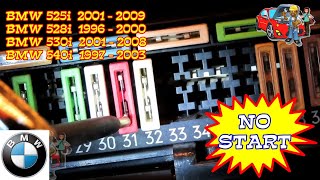
This leads to corrosion on the connector pins and can eventually short-circuit the DME's internal components. When diagnosing any DME-related issue, the very first step is to open the E-box and inspect for any signs of moisture, 🎬 Watch: How to diagnose a water damaged DME causing no-start. rust, or blue/white corrosion on the DME connectors.
Pro Tip: Even if you are not having DME problems, it is critical preventive maintenance to regularly clean the drains under the cabin air filter housings to prevent water from accumulating.
Buying a Used Engine Control Module (DME)

Buying a used DME is a cost-effective solution, but you must follow the correct procedure. A used DME from a donor car will not work if you just plug it in. The key is to transfer your car's unique identity—its Vehicle Identification Number (VIN) and immobilizer (EWS) data—to the replacement unit.
The Cloning Process (Recommended)
The most reliable method for a DIY or independent shop repair is to use a mail-in cloning service.
- Purchase a used DME: Find a used DME with a part number that matches your original unit. The part numbers listed in the vehicle data are a good starting point, but always verify the number on your specific DME. The model is a Bosch ME7.2.
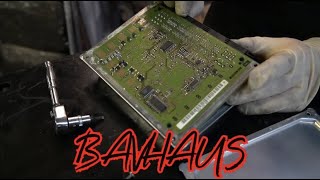
- Remove Your Original Parts: You will need to carefully remove three components from your car: the original DME, the EWS module (located under the driver's side dash, near the steering column), 🎬 See this walkthrough on how to remove the EWS module. and one of your car keys.
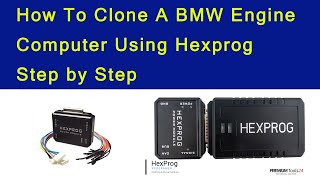
- Send for Cloning: Ship your original DME, EWS module, and key to a reputable ECU repair or cloning service. They will extract the programming from your original (even if it's faulty) and flash it onto the used replacement unit. 🎬 Watch: Step-by-step guide to cloning a BMW engine computer.
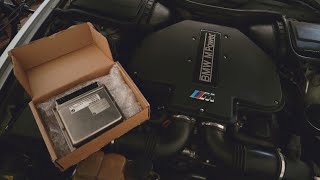
- Reinstall: The service will send back your original parts and the newly 'cloned' DME. This cloned unit is now 100% plug-and-play. Simply reinstall it, and the car will start and run as normal with your original keys.
This process makes the replacement DME an exact electronic copy of your original, bypassing the need for expensive dealer programming.
Cost Breakdown
Prices can vary significantly based on the chosen repair path. A dealer replacement is often prohibitively expensive on a vehicle of this age.
| Part/Service | Estimated Cost |
|---|---|
| New OEM DME (Part Only) | $1,000 - $3,000+ |
| Used OEM DME (Part Only) | $75 - $250 |
| Remanufactured / Cloned DME | $300 - $600 |
| Shop Labor (Diagnosis & Installation) | $150 - $300 |
| Dealer Programming (if buying new) | $300 - $600+ |
FAQ
Where is the DME located on a 1999-2000 BMW 540i?
The DME is located inside a black electronics box (E-box) in the engine compartment on the passenger side, under the cabin air filter housing. You must remove the filter housing to access the E-box lid.
Can an independent mechanic or locksmith program a used DME?
Yes, many independent shops specializing in European cars have the tools (like Autel, ISTA, or INPA) to align a 'virginized' DME with the car's EWS system. However, the most common and often simplest method is to use a mail-in cloning service, which doesn't require any on-car programming after the fact.
What is the EWS and why does it matter?
EWS stands for Elektronische Wegfahrsperre, which is BMW's electronic immobilizer system. It's an anti-theft feature. The DME, EWS module, and the transponder chip in your key all share a synchronized code. If the codes don't match—as is the case when you install a non-programmed used DME—the EWS will prevent the DME from starting the engine.
Can I just delete the EWS?
Yes, some tuning companies offer an EWS delete service. They modify the software on the DME to bypass the immobilizer check entirely. This can be a solution for heavily modified track cars or complex engine swaps, but for a standard repair, cloning the DME is typically the more straightforward and proper solution.
What causes the "ENGINE FAILSAFE PROG" error?
This error is a general warning that the DME has entered a limp-home mode due to a critical fault. On the 1999-2000 540i, it is very often related to the electronic throttle body (MDK) or the pedal position sensor. However, a failing DME can also trigger this message if it can no longer properly control or monitor these systems.
Helpful Videos

Technical Specifications
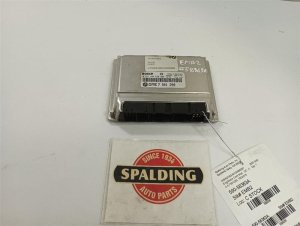
OEM Part Numbers: 12141430943 12141430944 12141430964 12141430972 12141438728 12141438729 12147501299 12147501300 12147502442 12147505035
Bosch Motronic ME7.2
We Have This Part in Stock

The information in this article is provided for general reference and educational purposes only. Vehicle specifications, procedures, and part compatibility can vary by production date, trim level, and region. Always consult your vehicle's factory service manual and verify part numbers before purchasing or performing repairs. Safety-critical components such as airbags, seat belts, and braking systems should be installed by a qualified professional.
- BMW 540i: