

2001-2003 BMW 525i ECM: Decoding MS43 Failures, Water Damage, and Programming
Your definitive guide to diagnosing a bad Siemens MS43 engine computer, understanding the critical EWS immobilizer programming, and choosing a used replacement.
- A replacement ECM is NOT plug-and-play. It must be programmed to the car's EWS immobilizer system to allow the engine to start.
- The most cost-effective solution is typically buying a used Siemens MS43 ECM and using a mail-in service to clone the data from your original module.
- Water damage from clogged cowl drains is a primary cause of failure for these ECMs. Always inspect the electronics box for corrosion.
- Common failure symptoms include engine misfires (with codes 29CD-29D2) and internal failure codes (30BA, 30BB) due to failing ignition coil drivers.
Key Symptoms of a Failing ECM
A faulty MS43 DME can manifest in several ways. While these symptoms can also be caused by other failing parts, they often point to the ECM when they appear intermittently or in combination.
- Crank, No Start: The engine turns over but never fires up. This can happen if the ECM is not sending a signal to the fuel pump or ignition coils. 🎬 See this step-by-step crank no start diagnostic guide
- Engine Misfires: A very common failure mode for the MS43 is the burnout of internal drivers that control the ignition coils. This can lead to a single-cylinder misfire or multiple/random misfires.
- Stalling or Rough Idle: The engine may stall unexpectedly while driving or run very poorly at a stop.
- Multiple, Unrelated Fault Codes: The scanner might show a bizarre collection of codes for various sensors. When many components seem to fail simultaneously, the common link is often the computer that reads them.
- No Communication with Scan Tool: If a diagnostic scanner cannot connect to the engine control module at all, the module itself may be dead.
- Check Engine Light: Often, an internal ECM fault will trigger the check engine light. Common codes associated with MS43 internal failure include 30BA and 30BB. Misfire codes like 29CD (Cylinder 1), 29CE (Cylinder 2), 29CF (Cylinder 3), 29D0 (Cylinder 4), 29D1 (Cylinder 5), and 29D2 (Cylinder 6) are also very common.
Known Issues: Water Damage
One of the most common killers of the ECM in an E39 5-Series is water intrusion. The MS43 is located in a black plastic electronics box (or 'e-box') in the engine bay, on the passenger side, underneath the cabin air filter housing. The drains for the cowl area above this box can become clogged with leaves and debris. When this happens, rainwater overflows and can seep into the e-box, dripping directly onto the ECM and its connectors. This causes corrosion on the pins, which can lead to poor connections and eventually short-circuit the module internally.
Pro Tip: Any time you are working in this area, or if you purchase a 525i, make it a priority to clean out the cowl drains to prevent future ECM failure. If you suspect an ECM issue, the first step is to open the e-box and inspect the module and its wiring harness for any signs of green or white corrosion.
🎬 Watch: How to diagnose a water-damaged DMEThe #1 Rule: Programming is NOT Optional
This is the most important thing to understand when replacing this part. You cannot simply swap in a used ECM from another car and expect it to work. The vehicle will crank but will not start. This is due to the factory anti-theft system.
What is the EWS Immobilizer?
Your BMW is equipped with an EWS (Elektronische Wegfahrsperre), an electronic immobilizer system. The EWS module (located under the driver's side dash) stores a unique Individual Serial Number (ISN). The engine computer (DME) also has this ISN stored inside it. When you turn the key, the EWS module and the DME communicate. If the ISNs match, the DME allows the engine to start. If you install a used DME, its ISN will not match your car's EWS module, and the car will be immobilized.
Your Three Main Options for Replacement
- Cloning (Recommended): This is the most straightforward and reliable method. A specialist service will read the entire software and data—including the VIN, programming, and the critical EWS security data—from your original ECM and write it directly onto a compatible used ECM. The 'cloned' unit is then a perfect twin of your original, making it 100% plug-and-play. This only works if your original module is not too damaged to be read. 🎬 Watch: How to clone a Siemens MS43 DME
- EWS Alignment: If your original ECM is completely dead or lost, you can send the replacement (used) ECM, your car's EWS module, and one of your keys to a specialist. They will use advanced tools to either extract the security code from the EWS and write it to the new ECM, or 'virginize' the used ECM so it can be aligned to your car using dealer-level tools.
- EWS Delete: Some services offer used ECMs with the immobilizer function programmed out entirely ('immo off'). This allows the ECM to be installed in any compatible car without needing to match the EWS. While this is a simple solution, it does remove a layer of theft protection from your vehicle.
Buying a Used Engine Control Module for Your 2001-2003 525i
A used OEM module combined with a cloning service is often the most cost-effective and reliable solution. New aftermarket units are not common for this application, and a new module from BMW is prohibitively expensive.
What to Look For:
- Match the Designation: The most important thing is to ensure the replacement module is a Siemens MS43. This will be printed clearly on the label. While the long BMW part number can vary due to software revisions, the MS43 hardware is the key.
- Inspect the Pins: Carefully examine the connector pins on the used ECM. Look for any signs of white or green corrosion, or bent pins. A module with corroded pins should be avoided, as it likely has internal water damage.
- Check the Case: Look for signs that the case has been pried open, which might indicate a previous failed repair attempt.
- Source Vehicle: While an ECM from a 2001-2003 525i is ideal, the same MS43 hardware was used in other M54-powered BMWs like the 325i, 330i, X5 3.0i, and Z3. However, the software is specific. For a cloning process, any compatible MS43 will work, as your car's original software will be transferred over.
Replacement Cost Breakdown
The cost can vary significantly based on the path you choose. Programming is a required additional cost when buying a used unit.
| Item | Estimated Cost | Notes |
|---|---|---|
| New Genuine BMW ECM | $1,700 - $2,200 | Sold unprogrammed; requires dealer programming at extra cost. |
| Remanufactured ECM | $400 - $700 | Often comes pre-programmed (EWS delete) or requires alignment. |
| Used OEM ECM | $75 - $200 | Hardware only. Requires a separate programming service to function. |
| Mail-In Cloning Service | $100 - $150 | You provide your original and a used replacement ECM. |
| Shop Labor (Physical Swap) | $75 - $150 | This is for the simple removal and installation only. Diagnostics and programming are extra. |
Step-by-Step Replacement Guide (Hardware Only)
Warning: Disconnect the vehicle's battery before starting this procedure to prevent electrical damage.
- Locate the E-Box: Open the hood. On the passenger side, near the firewall, you'll find the cabin air filter housing. Remove it to access the electronics box below.
- Open the E-Box: The e-box lid is held on by several screws. Remove them and lift the cover off. You will see the ECM (DME) inside. It is the module with black connector plugs.
- Disconnect the ECM: The wiring harness has five connectors plugged into the ECM. Each has a sliding lock mechanism on the side. Slide the locks to release the connectors and pull them away from the module.
- Remove the ECM: The ECM is held in place by simple clips. Unclip it and lift it out of the e-box.
- Installation: Installation is the reverse of removal. Seat the new module, plug in the connectors and ensure they lock into place, and reinstall the e-box cover and cabin filter housing. Reconnect the battery.
Remember: After this physical swap, the car will not start until the programming/cloning procedure is completed.
Frequently Asked Questions (FAQ)
Can I just plug in a used ECM and have a dealer program it?
Most BMW dealerships will refuse to program a used ECM. They will typically only program a brand new module that they sell you. You will need to use an independent BMW specialist or a mail-in service for programming a used part.
What happens if I just plug in a used ECM without programming?
The engine will crank but it will not start. The fuel pump and ignition will be disabled by the EWS immobilizer system because the security code in the used ECM does not match the code in your car's EWS module.
Can a locksmith program my replacement BMW ECM?
While some high-end automotive locksmiths have the tools to work with BMW EWS systems and keys, most do not. It is more common to use a dedicated BMW independent mechanic or a mail-in ECU programming service that specializes in these modules.
Can I use an ECM from a 325i or X5 in my 525i?
Yes, but only as a 'donor' module for cloning. The hardware (Siemens MS43) is the same across many M54-powered models, but the software and coding are specific to the vehicle model, transmission, and features. During cloning, your original 525i software is copied onto the donor module, making it compatible.
Recalls and Technical Service Bulletins (TSBs)
As of mid-2026, there are no active NHTSA safety recalls specifically for the Siemens MS43 ECM on the 2001-2003 BMW 525i. However, BMW has issued technical bulletins in the past that involve reprogramming the DME with updated software to resolve various drivability issues like idle fluctuations or hesitation. If you are experiencing minor issues, checking with a dealer or specialist to see if a software update is available could be a potential first step before replacing the hardware.
Helpful Videos
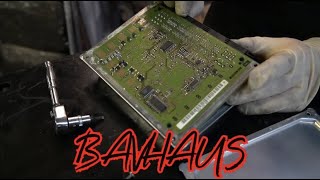


Technical Specifications
OEM Part Numbers: 12147511570 12147512666 12147515583 12147518111 12147518116 12147519062 12147519308 12147519309 12147520189 12147520585 12147520873 12147527919 12147551616
Siemens DME MS43
We Have This Part in Stock


The information in this article is provided for general reference and educational purposes only. Vehicle specifications, procedures, and part compatibility can vary by production date, trim level, and region. Always consult your vehicle's factory service manual and verify part numbers before purchasing or performing repairs. Safety-critical components such as airbags, seat belts, and braking systems should be installed by a qualified professional.
- BMW 525i:
- 🎬 Helpful Videos
- 🛍️ Shop This Part
- Key Symptoms of a Failing ECM
- Known Issues: Water Damage
- The #1 Rule: Programming is NOT Optional
- What is the EWS Immobilizer?
- Your Three Main Options for Replacement
- Buying a Used Engine Control Module for Your 2001-2003 525i
- What to Look For:
- Replacement Cost Breakdown
- Step-by-Step Replacement Guide (Hardware Only)
- Frequently Asked Questions (FAQ)
- Recalls and Technical Service Bulletins (TSBs)
- 🎟️ Get 5% Off