

2009-2011 Audi A6 3.0L ECM: A Guide to Programming and Component Protection
Replacing the engine computer in your A6 involves more than just swapping parts; this guide covers the critical programming and anti-theft steps required for a successful repair.
- Programming is mandatory due to Audi's 'Component Protection' anti-theft system; a swapped ECM will not work without it.
- This programming must be done by an Audi dealer or a specialized independent shop with official ODIS/GeKo online access.
- When buying a used ECM, you must match the OEM part number exactly: 4F1910551D.
- Before purchasing a used unit, inspect the connector pins carefully for any signs of white or green corrosion, which indicates water damage.
Symptoms of a Failing ECM

A failing ECM in an Audi A6 can cause a wide range of confusing symptoms, from a simple check engine light to a car that won't start at all. Because the ECM is connected to so many other systems, its failure can often mimic other problems.
- Check Engine Light: This is the most common symptom. The light may be on for a specific ECM-related code or for a variety of seemingly unrelated sensor or system faults.
- Engine Performance Issues: You may experience random stalling, engine misfires, rough idling, hesitation during acceleration, or a general loss of power.
- No-Start Condition: The engine may crank but refuse to start. This can happen if the ECM is not properly controlling the fuel pump or ignition system.
- Poor Fuel Economy: A sudden and unexplained drop in gas mileage can indicate the ECM is no longer optimizing the engine's air-fuel mixture correctly.
- Communication Faults: One of the most telling signs of an ECM failure in a complex car like an Audi is a cluster of communication-related fault codes (often starting with a 'U'). You may also see fault codes indicating errors in messages from the ECU being received by other modules, like the transmission.
- Multiple Unrelated Warning Lights: If the ECM fails, it can disrupt the entire vehicle network, causing warning lights for the ABS, traction control, and transmission to illuminate simultaneously.
Known Issues, TSBs, and Software Updates

While there are no major recalls for the ECM on these vehicles, Audi has released Technical Service Bulletins (TSBs) that involve software updates to address specific issues.
- TSB 2027732: This bulletin addresses DTCs related to high crankcase pressure, particularly under short-trip driving conditions. The fix involves installing an updated crankcase pressure regulating valve and performing an ECM software update using SVM action code 01A092, which brings the software to version 0050 or higher.
- TSB 2027732/9: For vehicles storing a P0456 code (very small EVAP leak) where no physical leak can be found, an ECM software update may be required to correct the diagnostic sensitivity.
These updates show that having the latest software is important for proper engine operation. When replacing an ECM, it's a good practice to ensure it is programmed with the latest available software version.
Critical Warning: Component Protection and Programming
You cannot simply swap a used ECM into a 2009-2011 Audi A6 and expect it to work. These vehicles are equipped with an anti-theft system called Component Protection (CP). This system links major electronic modules, including the ECM, to the car's unique Vehicle Identification Number (VIN).
When a used ECM is installed, the car will recognize that it came from a different vehicle and activate Component Protection. This will put the module in a limited-functionality mode, resulting in performance problems and fault codes. To restore full functionality, the Component Protection must be adapted or removed online by connecting to Audi's servers.
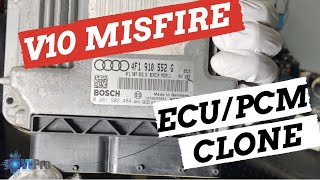
🎬 See a case study on how Audi component security worksWho Can Program a Replacement Audi ECM?
This is not a DIY job. The programming requires specialized, expensive equipment and a legitimate security subscription with Audi.
- Audi Dealerships: Any Audi dealer can perform the Component Protection adaptation. This is the most straightforward, though often most expensive, option.
- Specialist Independent Shops: Some high-end independent shops that specialize in German vehicles have invested in the official Audi ODIS diagnostic system and a GeKo security account, allowing them to perform the same programming as a dealer.
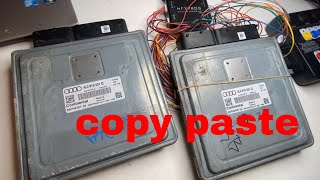
- Mail-In Cloning Services: Some companies offer a service where you send them your original ECM and a compatible used replacement. They will "clone" the critical data (VIN, immobilizer, Component Protection data) from your old module to the donor module. This can make the replacement ECM "plug and play," but it only works if your original module is still readable 🎬 Watch: How to program data from an original to donor ECM and communicating.
Buying a Used Engine Control Module (ECM)

Purchasing a used OEM ECM is an excellent way to save a significant amount of money, as a properly programmed used unit is functionally identical to a new one. However, you must be careful to buy the correct part.
- Match the Part Number Exactly: The most critical step is to match the OEM part number precisely. For this application, you are looking for 4F1910551D. The 'DX' suffix (4F1910551DX) simply indicates a factory-remanufactured part and is also compatible. Do not install an ECM with a different part number, even if it looks identical.
- Inspect for Physical Damage: Carefully examine the used ECM's housing and, most importantly, the connector pins. Look for any signs of corrosion (white or green crust), which indicates water damage. Water intrusion is a common cause of ECM failure, and you do not want to buy a part that already has this problem.
- Source from a Reputable Seller: Buy from a salvage yard or online retailer that offers a warranty and has good reviews. This gives you recourse if the part arrives damaged or is incorrect.
- Plan for Programming: Remember that the cost of the part is not the final cost. You must factor in the price of having the module professionally programmed and adapted to your vehicle.
Cost Breakdown
The cost to replace the ECM can vary dramatically depending on whether you use new, used, or remanufactured parts.
| Part Type | Estimated Cost |
|---|---|
| New OEM (Dealer) | $1,600 - $1,900 (part only) |
| Remanufactured | $400 - $800 |
| Used OEM | $75 - $250 |
| Shop Labor (Physical Swap) | $150 - $225 |
| Shop Labor (Programming) | $200 - $400 (typically 1.5-2.5 hours) |
Frequently Asked Questions (FAQ)
Do I have to go to the Audi dealer for programming?
While the dealer is a guaranteed option, you may not have to. Some independent European auto repair specialists have the necessary ODIS tools and online access to program the module. It is critical to call ahead and confirm they can specifically handle "Component Protection adaptation" for a used ECM on your model year.
What is the difference between Component Protection and the Immobilizer?
They are related but different. The Immobilizer system prevents the engine from starting without a recognized key. Component Protection is a broader system that limits the functionality of various modules (like the radio, climate control, or ECM) if they are swapped between cars, even if the car starts. Replacing the ECM requires addressing both systems.
Can I use an ECM from an A6 with a different engine?
No. The ECM's software and hardware are specific to the engine it controls. You must use an ECM from a 2009-2011 A6 with the 3.0L supercharged engine. Using the wrong module will not work and could potentially damage other components.
Where is the ECM located on the 2009-2011 Audi A6?
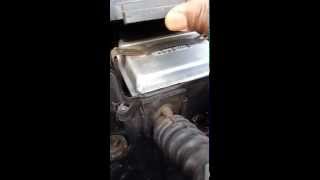
The ECM is typically located in the engine bay, inside a black protective box in the plenum area, which is the space at the base of the windshield underneath the plastic cowl cover. 🎬 Watch: How to find and access the ECM location This location unfortunately makes it susceptible to water damage if the plenum drains become clogged.
Helpful Videos




Technical Specifications
OEM Part Numbers: 4F1910551D 4F1910551DX
Fits 2009-2011 Audi A6 with 3.0L Supercharged V6 (Engine Code: CCAA), all-wheel drive, and automatic transmission.
We Have This Part in Stock



The information in this article is provided for general reference and educational purposes only. Vehicle specifications, procedures, and part compatibility can vary by production date, trim level, and region. Always consult your vehicle's factory service manual and verify part numbers before purchasing or performing repairs. Safety-critical components such as airbags, seat belts, and braking systems should be installed by a qualified professional.
- Audi A6: